

Principle and Working Scene Characteristics of Millet Pneumatic Conveying Lines
Millet pneumatic conveying lines represent a sophisticated method for transporting millet and similar grain products through a system that leverages air pressure to move materials. At the heart of this technology is the pneumatic conveying principle, which involves creating a pressure differential to propel particles through a pipeline. This approach is particularly effective for handling millet due to its size and density, offering advantages such as reduced contamination, lower labor costs, and enhanced efficiency in processing and storage operations. The system is designed to handle millet from storage bins to processing equipment or packaging lines without manual intervention, making it a critical component in modern millet handling workflows.
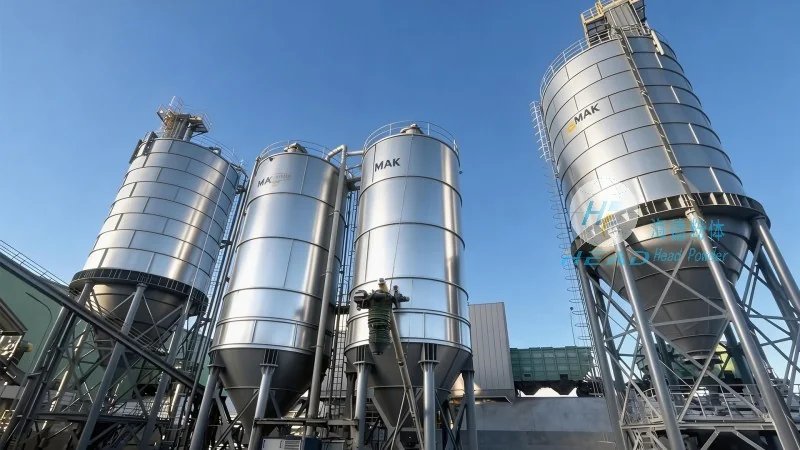
Key Working Principles of Millet Pneumatic Conveying Systems
The operation of millet pneumatic conveying lines is based on several fundamental principles. First, the system uses a blower or compressor to generate airflow within a sealed pipeline. As air is forced through the line, it creates a vacuum or positive pressure that draws millet particles into the system. The particles are then carried along the pipeline by the moving air, often in a dilute-phase or dense-phase mode depending on the system design. Dilute-phase conveying involves particles suspended in the air stream, while dense-phase conveying uses higher air pressure to push particles in a more compacted form. For millet, the choice of phase depends on the distance to be covered and the need for gentle handling to prevent breakage. The system typically includes components such as a hopper for material storage, a feeder to control the flow rate, a conveying line, and a receiver to deposit the millet at the destination. Each component plays a critical role in ensuring the smooth and efficient transfer of millet, with the feeder maintaining consistent material supply and the receiver providing a controlled discharge point.
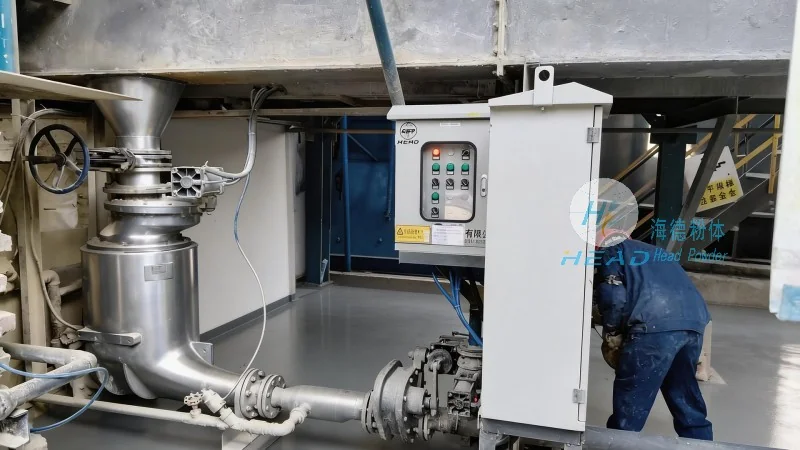
Typical Working Scenarios and Applications
Millet pneumatic conveying lines are widely used in various industrial and agricultural settings where the efficient movement of millet is essential. In agricultural processing facilities, these systems are commonly employed during the post-harvest handling of millet, including cleaning, sorting, and packaging. The ability to transport millet from storage bins to processing equipment or packaging lines without manual handling reduces the risk of contamination and improves operational speed. In storage facilities, pneumatic conveying lines are used to move millet between different storage silos or to transfer it from outdoor storage to indoor processing areas. This is especially beneficial in regions with varying weather conditions, as the enclosed system protects the millet from moisture and pests. Additionally, in food processing plants, millet pneumatic conveying lines are integrated into larger production lines, ensuring that millet is delivered to milling or grinding equipment in a controlled manner. The system's ability to handle large volumes of millet at once makes it ideal for high-throughput operations, where consistent and reliable material flow is critical to maintaining production schedules.
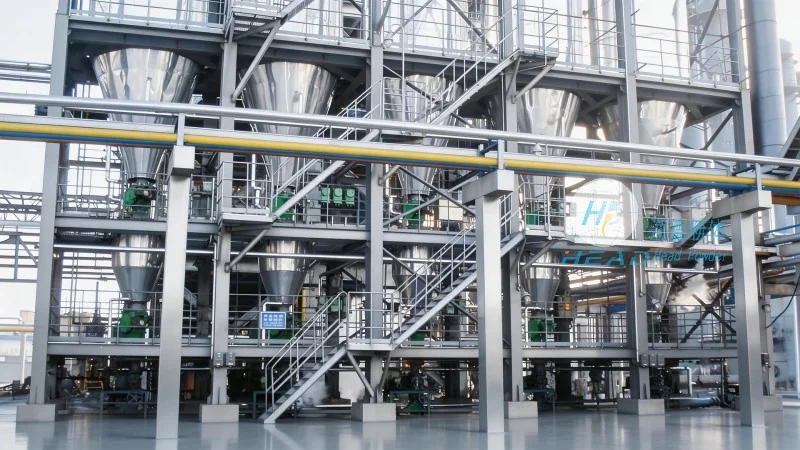
Advantages of Using Millet Pneumatic Conveying Lines
Implementing millet pneumatic conveying lines offers several advantages over traditional methods like bucket elevators or belt conveyors. One of the most significant benefits is the reduction in labor costs, as the system automates the material handling process, minimizing the need for manual labor. This not only lowers operational expenses but also enhances workplace safety by eliminating the need for workers to handle heavy or bulky millet loads. Another key advantage is the prevention of contamination, as the enclosed pipeline system keeps millet isolated from external elements such as dust, dirt, or pests. This is particularly important for food-grade millet products, where maintaining hygiene standards is non-negotiable. Furthermore, pneumatic conveying lines are more flexible in terms of layout, allowing for curved or vertical pipelines to be incorporated into the system without significant modifications. This flexibility enables the design of more compact and space-efficient facilities, which is valuable in areas with limited floor space. The system also offers better control over the flow rate and pressure, ensuring that millet is transported at a consistent speed, reducing the risk of material buildup or clogging in the pipeline.
Considerations for Design and Installation
When designing and installing millet pneumatic conveying lines, several factors must be carefully considered to ensure optimal performance and longevity. The first consideration is the material of the pipeline, which must be durable and resistant to the abrasive nature of millet particles. Common materials include stainless steel or high-quality plastic, chosen based on the specific requirements of the application and the potential for corrosion or wear. The diameter of the pipeline is another critical factor, as it determines the air velocity and the capacity of the system. A larger diameter allows for higher material flow rates but may require more powerful air compressors. Conversely, a smaller diameter reduces energy consumption but limits the volume of millet that can be transported. The system's layout, including the number and placement of bends and vertical sections, also impacts performance. Excessive bends or vertical drops can cause particle separation or clogging, so proper design is essential to maintain a smooth flow. Additionally, the choice of feeder and blower is crucial, as they must be matched to the system's capacity and the type of millet being handled. A properly sized feeder ensures consistent material supply, while a suitable blower provides the necessary air pressure to overcome resistance in the pipeline. Regular maintenance is also important to prevent issues such as air leaks or component wear, which can affect the system's efficiency and reliability.
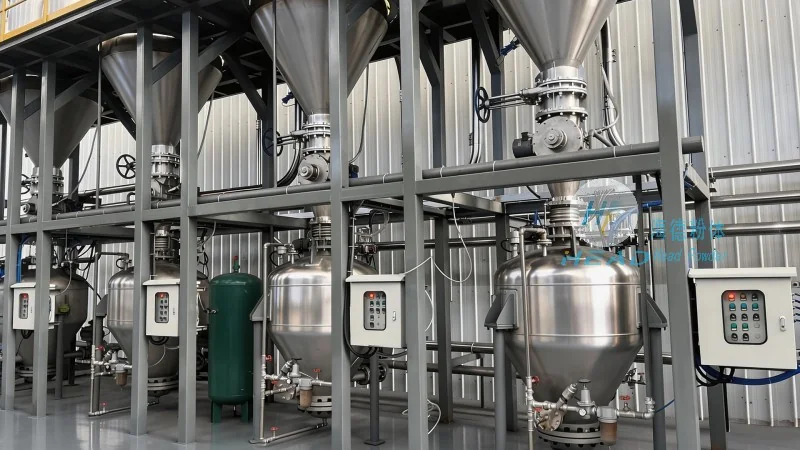
Conclusion: The Role of Millet Pneumatic Conveying Lines in Modern Processing
In conclusion, millet pneumatic conveying lines represent a highly effective and efficient solution for the transportation of millet in various industrial and agricultural applications. By leveraging the principles of air pressure and particle suspension, these systems offer significant advantages over traditional material handling methods, including reduced labor costs, improved hygiene, and enhanced operational flexibility. The working scenarios and applications of these lines are diverse, ranging from post-harvest processing to storage and food processing, making them a versatile tool for millet handling. As technology continues to advance, the design and performance of millet pneumatic conveying lines are likely to improve, further enhancing their role in modern processing operations. For businesses involved in millet production and processing, investing in a well-designed pneumatic conveying system can lead to long-term benefits in terms of efficiency, cost savings, and product quality.