

Principle and Working Scene Characteristics of Corn Pneumatic Conveying Lines
For agricultural and food processing industries, efficient material handling is crucial, especially when dealing with bulk commodities like corn. Pneumatic conveying systems offer a versatile solution for transporting corn from storage to processing facilities. This article explores the fundamental principles behind corn pneumatic conveying lines and highlights the key characteristics of their operational environments.
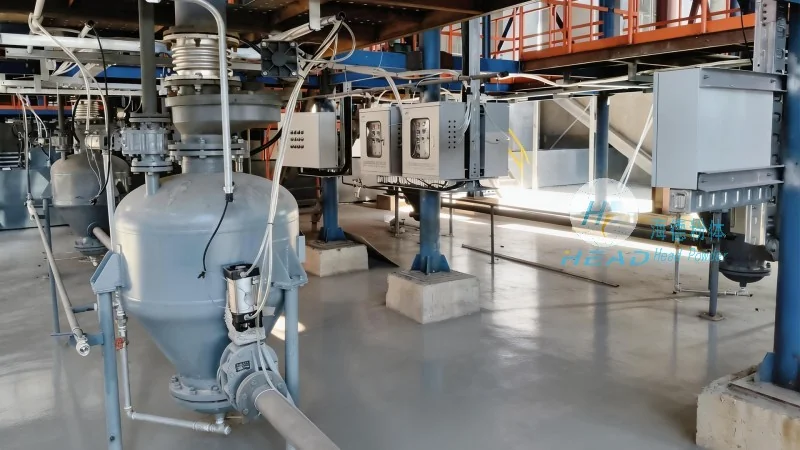
The Core Principle of Pneumatic Conveying
At the heart of corn pneumatic conveying lines is the use of air to transport solid particles. The system operates by creating a pressure differential, either by blowing air into a pipeline (positive pressure) or by creating a vacuum (negative pressure). In the case of corn, which is typically dry and free-flowing, positive pressure systems are commonly employed due to their ability to handle long distances and multiple transfer points without significant pressure loss. The corn is suspended in the air stream and propelled through the pipeline by the force of the moving air. This method eliminates the need for mechanical components like belts or buckets, reducing maintenance and wear on the material.
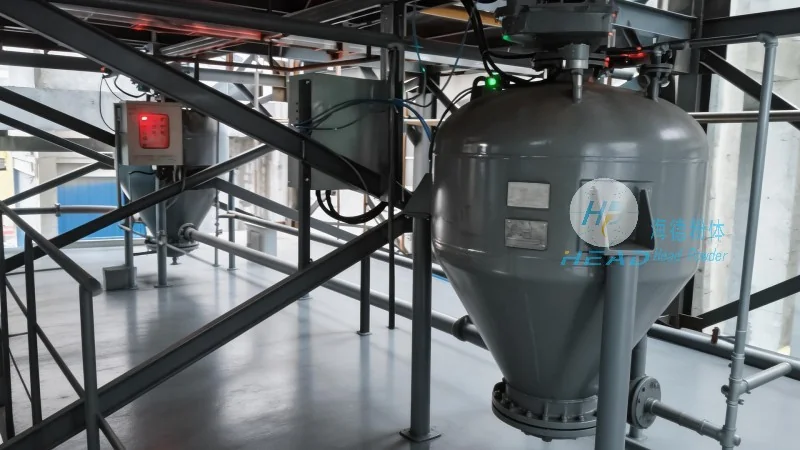
Working Scene Characteristics of Corn Pneumatic Conveying Lines
The operational environment of corn pneumatic conveying lines is tailored to the specific demands of corn processing. These systems are often integrated into large-scale agricultural facilities, grain elevators, and food processing plants. The key characteristics of these working scenes include:
- High-Volume Handling: Designed to process large quantities of corn, often in the range of several tons per hour, ensuring continuous operation in high-throughput environments.
- Sanitary and Clean Operation: Critical in food processing applications, the systems are constructed with materials that resist corrosion and easy to clean, maintaining compliance with food safety regulations.
- Adaptability to Processing Stages: Corn pneumatic conveyors can be integrated at various stages, from raw corn reception and storage to intermediate processing steps like cleaning, drying, and milling. This flexibility allows for seamless material flow within the entire production line.
- Energy Efficiency and Low Maintenance: Modern systems utilize efficient air compressors and streamlined pipeline designs, reducing energy consumption and minimizing downtime. The absence of moving parts in contact with the corn also extends the lifespan of the equipment.
Applications in Corn Processing
Corn pneumatic conveying lines are widely used in various applications within the corn processing industry. For instance, in corn milling operations, the system efficiently transports raw corn kernels from storage silos to the milling machines, ensuring a consistent feed rate. In ethanol production, the conveyor helps move corn from storage to the fermentation tanks, optimizing the production process. Additionally, in animal feed manufacturing, the system can handle corn as a primary ingredient, contributing to the efficient production of feed products.
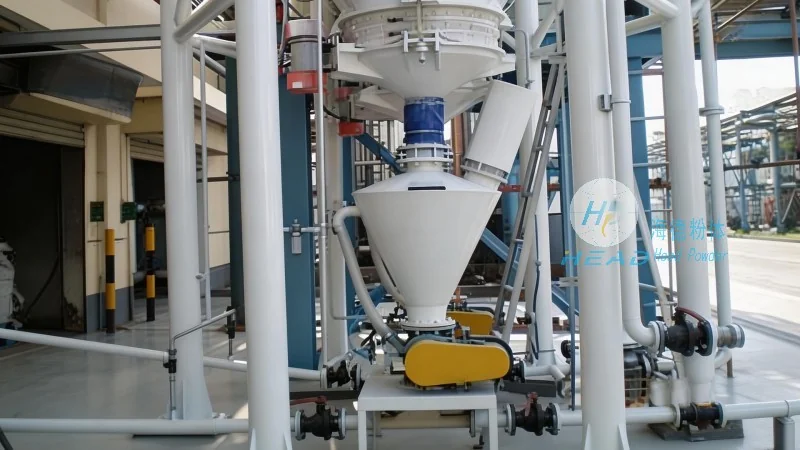
Advantages of Using Corn Pneumatic Conveying Lines
Compared to traditional mechanical conveyors, corn pneumatic conveying lines offer several advantages that make them a preferred choice in many industrial settings. These include: