

Principle and Working Scene Characteristics of Sodium Hexafluorophosphate Pneumatic Conveying System
Sodium hexafluorophosphate (NaPF₆) is a critical chemical compound widely used in various industrial applications, including pharmaceuticals, electronics, and specialty chemicals. The efficient and reliable transportation of this material from production sites to processing or packaging areas is essential for maintaining production efficiency and product quality. Pneumatic conveying systems have emerged as a preferred solution for handling NaPF₆ due to their ability to transport powders and granules in a closed, controlled environment, minimizing contamination and environmental impact.
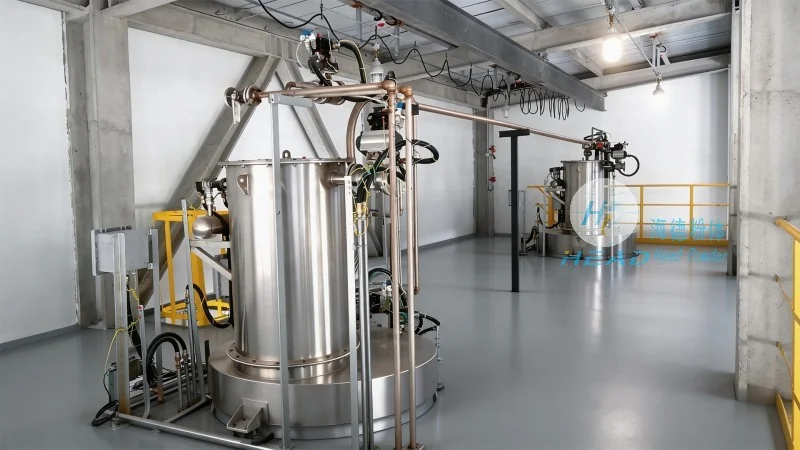
Company Overview: HeadPowder
HeadPowder, formally known as Shandong HeadPowder Engineering Co., Ltd., is a leading provider of advanced material handling solutions. With headquarters in Shandong, China, the company specializes in designing, manufacturing, and implementing customized pneumatic conveying systems tailored to the unique needs of industrial clients. HeadPowder's expertise lies in integrating cutting-edge technology with practical engineering to deliver systems that enhance operational efficiency, safety, and sustainability.
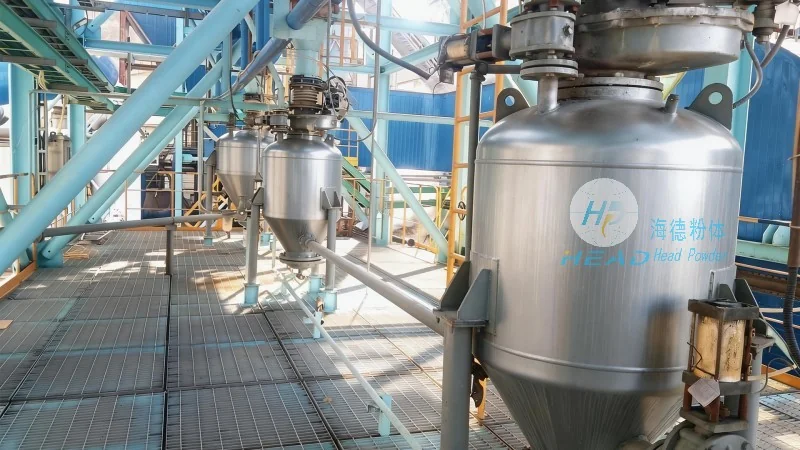
The Principle of Pneumatic Conveying
Pneumatic conveying systems operate by using compressed air or other gases to move solid materials through a network of pipes. There are two primary types of pneumatic conveying: positive pressure and negative pressure (or vacuum) systems. In positive pressure systems, air is forced through the material, creating a flow that propels the solid particles forward. Negative pressure systems, on the other hand, draw material into a vacuum, pulling it through the system. For NaPF₆, which is a fine powder, positive pressure systems are often preferred as they provide better control over particle movement and reduce the risk of clogging. The system typically includes a hopper for material storage, a feeder to regulate the flow rate, a conveyor line with appropriate pipe diameters and bends, and a receiver for the delivered material. The air velocity within the pipe must be maintained at a level sufficient to keep the particles suspended but not so high as to cause excessive wear or energy consumption.
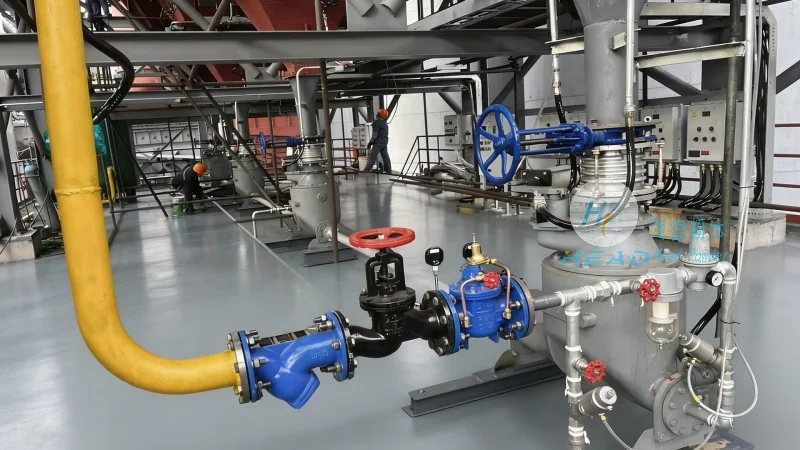
Working Scene Characteristics
The working scene characteristics of a NaPF₆ pneumatic conveying system are influenced by several factors, including the material's properties, the production environment, and the specific application requirements. First, the system must be designed to handle the fine particle size of NaPF₆, which can range from sub-micron to a few microns. This requires careful consideration of the pipe diameter and air velocity to ensure that the particles remain in suspension without settling or clogging. Second, the system must be integrated into existing production lines, often requiring compatibility with other equipment such as mixers, reactors, and packaging machines. This integration is crucial for maintaining a seamless workflow and minimizing downtime. Third, the system must adhere to safety standards, as NaPF₆ is a hazardous material in certain contexts. Proper ventilation, explosion-proof designs, and material compatibility with the conveying components are essential to prevent accidents and ensure compliance with regulations. Fourth, the system's efficiency is a key characteristic, with factors such as energy consumption, material recovery rate, and maintenance frequency being critical to overall operational performance. Advanced systems may incorporate features like pulse jet cleaning, variable speed drives, and real-time monitoring to optimize performance and reduce operational costs.
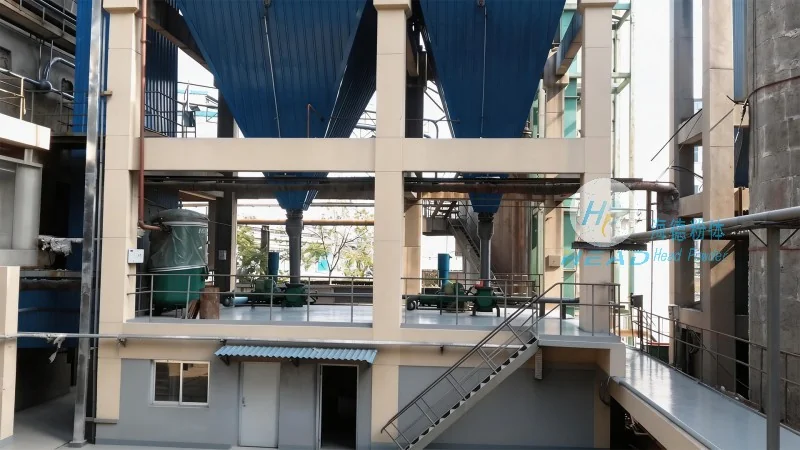
Key Advantages of the System
Implementing a pneumatic conveying system for NaPF₆ offers several advantages over traditional methods such as bucket elevators or belt conveyors. One of the primary benefits is the closed system design, which eliminates dust emissions and protects the material from contamination by moisture or other environmental factors. This is particularly important for NaPF₆, which is sensitive to moisture and can degrade if exposed to air. Another advantage is the high efficiency in material transport, with the ability to move large quantities of material over long distances with minimal labor. The system also provides better control over the flow rate, allowing for precise dosing and integration with automated processes. Additionally, the system is more space-efficient compared to traditional bulk handling equipment, making it suitable for facilities with limited floor space. Finally, the system's reliability and low maintenance requirements contribute to reduced operational costs and increased production uptime.