

Principle and Working Scene Characteristics of Methylcellulose Pneumatic Conveying Systems
HeadPowder, a leading provider in the field, offers advanced solutions for the efficient handling of methylcellulose through pneumatic conveying technology. This article delves into the fundamental principles and distinctive operational characteristics of such systems, providing a comprehensive overview for industry professionals seeking to understand or implement these technologies.
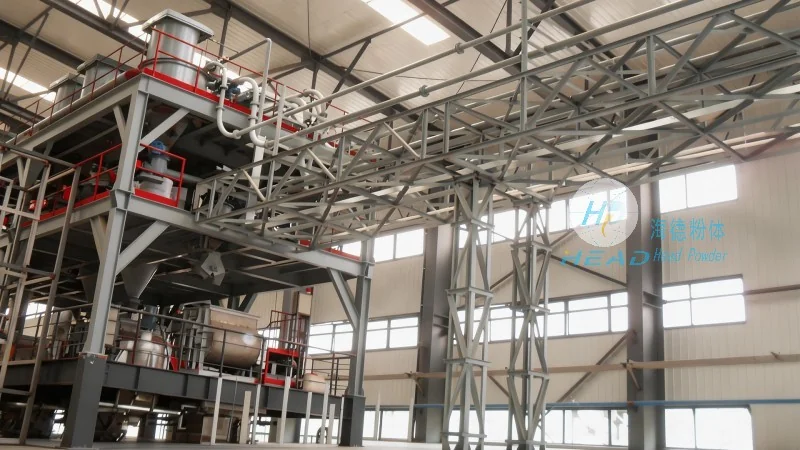
Company Profile: Shandong HeadPowder Engineering Co., Ltd.
HeadPowder, formally known as Shandong HeadPowder Engineering Co., Ltd., is headquartered in Shandong, China. The company specializes in the design, manufacturing, and integration of pneumatic conveying systems tailored for various industrial applications, including the handling of fine powders like methylcellulose. With a focus on innovation and customer-centric solutions, HeadPowder has established itself as a trusted partner in the powder processing industry.
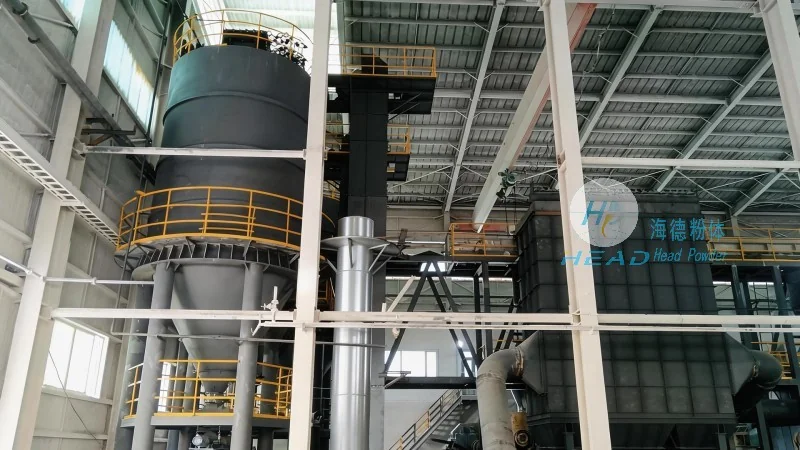
The Core Principle of Pneumatic Conveying
Pneumatic conveying systems utilize air or gas to transport bulk materials through a pipeline network. In the case of methylcellulose, which is a water-soluble polymer often used in pharmaceuticals, food, and cosmetics, the system must be designed to handle its specific properties, such as low bulk density and potential for agglomeration. The fundamental principle involves creating a pressure differential between the inlet and outlet of the pipeline, where air is introduced to generate a flow that carries the powder particles. This process can be categorized into two main types: dilute-phase and dense-phase conveying, each with its own advantages and applications.
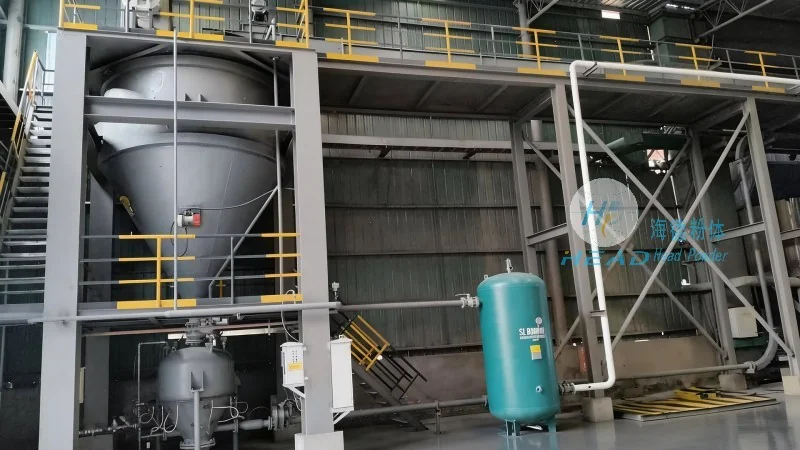
Working Scene Characteristics of Methylcellulose Pneumatic Conveying
The operational characteristics of methylcellulose pneumatic conveying systems are shaped by several key factors, including material properties, system design, and application requirements. Methylcellulose, being a fine powder with a tendency to form dust or clumps, requires a system that ensures consistent flow and minimal degradation. The working scene typically involves a combination of feeding mechanisms, such as rotary valves or screw feeders, to control the material input, followed by a conveying line that may include bends, expansions, or filters to maintain efficiency. Key characteristics include:
- Low Pressure Operation: Many systems operate at low to moderate pressures, reducing energy consumption and minimizing the risk of material degradation.
- Efficient Material Handling: The ability to transport methylcellulose over long distances without the need for additional equipment, such as elevators or conveyors, enhances operational flexibility.
- Controlled Dust Management: Advanced filtration and dust collection systems are integrated to comply with environmental regulations and ensure workplace safety.
- Adaptability to Process Flows: The system can be configured to handle varying flow rates, from low to high, depending on the production scale and demand.
Applications and Industry Relevance
Methylcellulose pneumatic conveying systems find wide applications across multiple industries. In the pharmaceutical sector, they are used for the sterile handling of raw materials, ensuring compliance with GMP (Good Manufacturing Practice) standards. In the food industry, the systems facilitate the transport of food-grade methylcellulose, maintaining product purity and safety. Similarly, in the cosmetics industry, the technology supports the efficient processing of methylcellulose-based formulations, enabling consistent quality control. The working scene characteristics, such as low pressure and minimal material degradation, make these systems ideal for applications where product integrity is paramount.
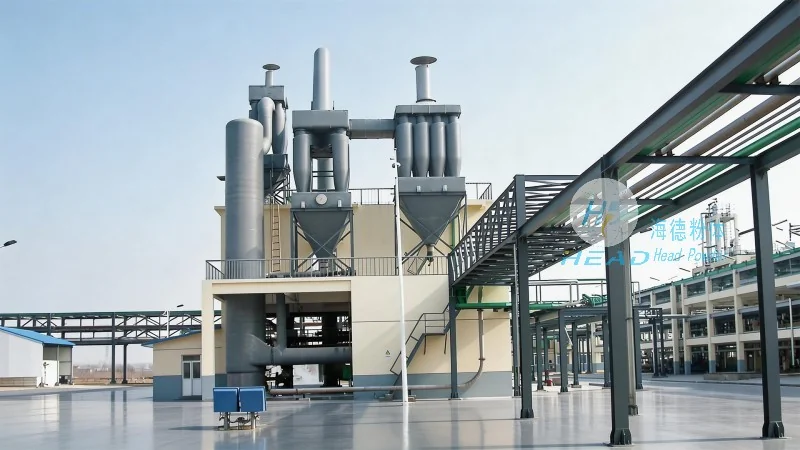
Conclusion
Shandong HeadPowder Engineering Co., Ltd. offers reliable and efficient methylcellulose pneumatic conveying systems that leverage advanced pneumatic technology to meet the demands of modern industrial processes. By understanding the core principles and operational characteristics of these systems, businesses can optimize their material handling operations, enhance productivity, and ensure compliance with industry standards. With a strong presence in Shandong, China, HeadPowder continues to provide tailored solutions that address the unique challenges of handling methylcellulose and other fine powders.