

Principle and Working Scene Characteristics of Dust-Free Bag Loading Station with Pneumatic Conveyin
HeadPowder, a leading manufacturer based in Shandong, China, specializes in providing advanced dust-free bag loading stations equipped with pneumatic conveying systems. This article explores the fundamental principles of pneumatic conveying technology and highlights the key characteristics of working scenes where such systems are effectively applied.
Principle of Pneumatic Conveying in Dust-Free Bag Loading Stations
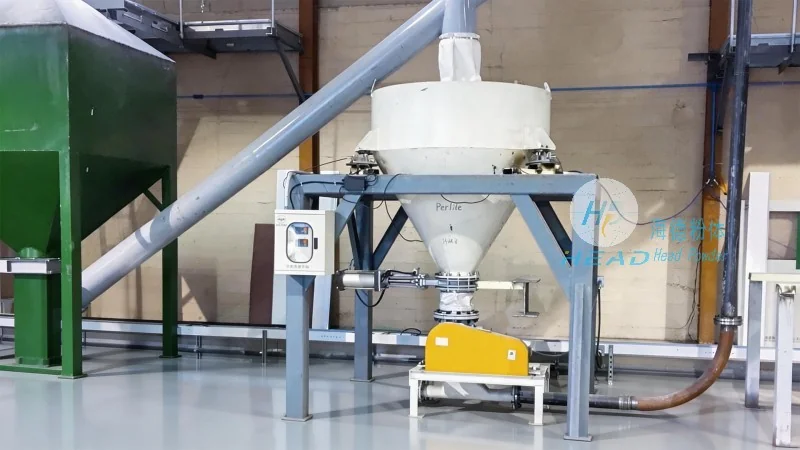
The core of a dust-free bag loading station with pneumatic conveying lies in the efficient transport of bulk materials from storage bags to processing equipment. The system typically operates by creating a pressure differential between the material hopper and the conveying line. As the material is drawn into the hopper, it is then accelerated by compressed air and propelled through the pipeline to the destination point. This process ensures a clean, dust-free transfer, minimizing contamination and maintaining product integrity. The pneumatic conveying mechanism often includes components such as a hopper, rotary valve, airlock, and conveying line, all working in tandem to achieve seamless material handling.
Key Working Scene Characteristics
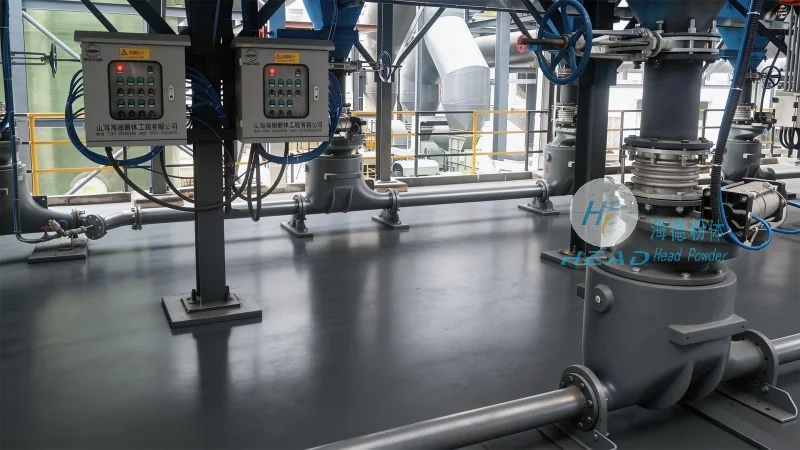
The effectiveness of a dust-free bag loading station with pneumatic conveying is significantly influenced by the specific working environment and operational requirements. Several key characteristics define optimal working scenes for this technology:
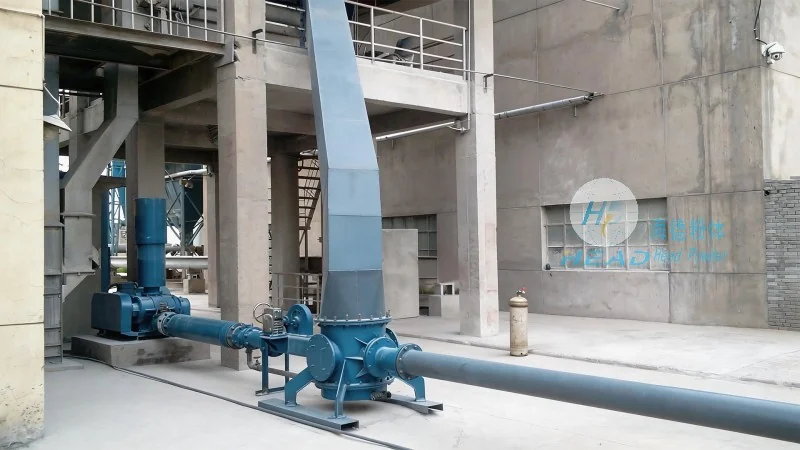
- Material Handling Efficiency: The system is particularly suitable for handling fine powders, granules, and other bulk materials that are prone to dust generation. By maintaining a closed system, it reduces the risk of dust exposure and ensures compliance with industrial hygiene standards.
- Space Optimization: In industrial settings where space is limited, the compact design of pneumatic conveying systems allows for flexible installation. The vertical or horizontal conveying options can be tailored to fit the available layout, making it ideal for facilities with constrained floor plans.
- Process Integration: The integration of the dust-free bag loading station with downstream processing equipment, such as mixers, reactors, or packaging machines, enhances overall production efficiency. The automated material transfer minimizes manual intervention, reducing labor costs and improving operational consistency.
- Environmental Compliance: Modern pneumatic conveying systems are designed to meet stringent environmental regulations. The sealed conveying process prevents material spillage and dust emissions, contributing to a cleaner working environment and reduced environmental impact.
Application Scenarios and Operational Benefits
HeadPowder's dust-free bag loading stations with pneumatic conveying are widely used in various industrial sectors, including pharmaceuticals, food processing, chemical manufacturing, and plastics. In these applications, the system's ability to handle sensitive materials without contamination is crucial. For instance, in the pharmaceutical industry, the dust-free design ensures product purity and safety, while in the food industry, it maintains hygiene standards. The operational benefits extend beyond material handling, as the system also reduces downtime due to its reliable and low-maintenance design.
Conclusion
HeadPowder Engineering Co., Ltd., based in Shandong, China, offers advanced dust-free bag loading stations with pneumatic conveying systems that leverage the principles of efficient material transport. By understanding the working scene characteristics and operational benefits, industries can optimize their material handling processes, enhance product quality, and ensure compliance with environmental and safety regulations. The integration of such technology reflects a commitment to modern industrial practices, providing reliable solutions for diverse material handling challenges.