

Polyvinyl Alcohol Formaldehyde (PVA-Formaldehyde) Conveying Methods: An Overview of Air-Driven Conveying Advantages and Features
When it comes to handling and transporting polyvinyl alcohol formaldehyde (PVA-formaldehyde), selecting the right conveying method is crucial for ensuring efficiency, safety, and product integrity. PVA-formaldehyde is a versatile polymer widely used in various industrial applications, and its effective transportation requires careful consideration of material properties, operational conditions, and system requirements. Among the available options, air-driven or pneumatic conveying stands out as a preferred solution for many industries due to its flexibility and efficiency.
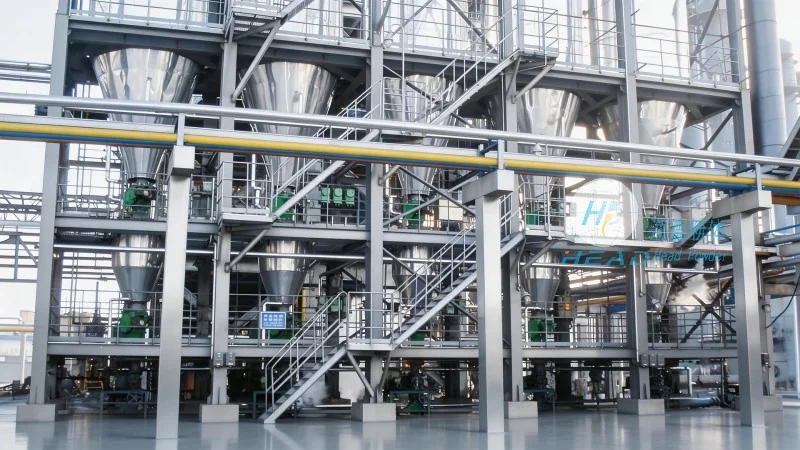
Overview of Common Conveying Methods for PVA-Formaldehyde
PVA-formaldehyde can be transported using several methods, each with its own set of advantages and limitations. The primary methods include mechanical conveying systems like screw conveyors, belt conveyors, and bucket elevators, as well as pneumatic conveying systems. Mechanical systems are often suitable for bulk materials and require less maintenance but may not be ideal for fine powders or materials with high moisture content. In contrast, pneumatic conveying offers superior control over material flow and is particularly effective for handling PVA-formaldehyde, which can be sensitive to moisture and temperature variations.
Advantages of Air-Driven (Pneumatic) Conveying for PVA-Formaldehyde
For PVA-formaldehyde, air-driven or pneumatic conveying systems provide several key advantages that make them a preferred choice in many industrial settings. One of the most significant benefits is the ability to handle fine powders and granules without the need for mechanical components that could cause abrasion or contamination. PVA-formaldehyde is often processed as a fine powder, and pneumatic systems can transport it with minimal degradation, preserving its quality and performance characteristics. Additionally, pneumatic conveying allows for flexible system design, enabling the integration of multiple processing units and the ability to transport materials over longer distances with minimal energy consumption.
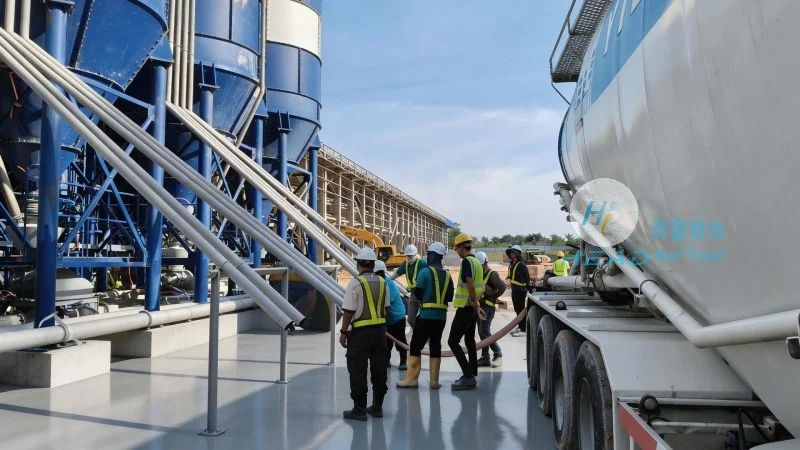
Key Features of Pneumatic Conveying Systems for PVA-Formaldehyde
Modern pneumatic conveying systems for PVA-formaldehyde typically incorporate several key features to enhance performance and reliability. These systems often use positive displacement blowers or rotary lobe pumps to generate the necessary air pressure, ensuring consistent material flow. The use of flexible hoses or rigid pipes allows for easy routing around obstacles and equipment, providing flexibility in system layout. Furthermore, many systems are equipped with filtration and separation components to prevent material buildup and maintain air quality, which is critical for maintaining product purity and system efficiency. The ability to control air velocity and pressure also allows for precise control over material transport, reducing the risk of clogging or material degradation.
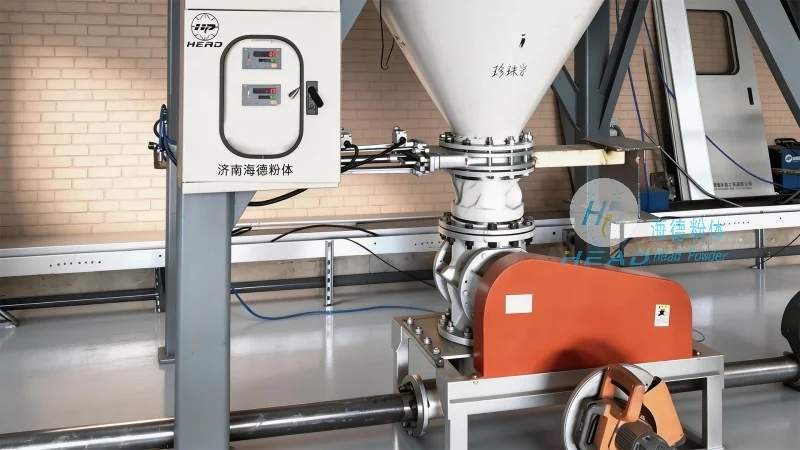
Applications and Industries Utilizing PVA-Formaldehyde Conveying
PVA-formaldehyde is used in a wide range of industries, including construction, textiles, and adhesives. In construction, it is often used as a binder in wallboard and other building materials, requiring efficient transportation to manufacturing facilities. The textile industry uses PVA-formaldehyde in the production of fibers and fabrics, where pneumatic conveying ensures that the material is delivered to spinning and weaving equipment without contamination. The adhesive industry relies on PVA-formaldehyde for high-performance adhesives, and the ability to transport it in a clean, controlled manner is essential for maintaining product consistency. In each of these applications, the choice of conveying method directly impacts production efficiency and product quality.
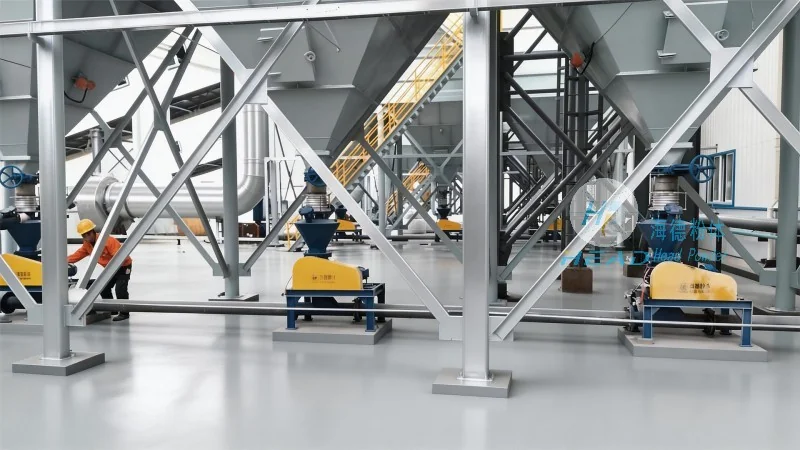
Considerations for Selecting the Right Conveying System
When selecting a conveying system for PVA-formaldehyde, several factors must be considered to ensure optimal performance. The first consideration is the material's physical properties, such as particle size, moisture content, and flowability. PVA-formaldehyde is typically a fine powder, which makes it susceptible to caking and agglomeration if not handled properly. Therefore, systems that can maintain consistent air flow and prevent material buildup are essential. Another critical factor is the system's capacity and the distance over which materials need to be transported. Larger systems may require higher air pressure and more robust components, while shorter distances can be handled with simpler designs. Additionally, the need for material containment and environmental control must be addressed, as PVA-formaldehyde can be sensitive to moisture and air quality. Proper filtration and sealing systems are necessary to prevent contamination and maintain product integrity.
Conclusion: The Role of Air-Driven Conveying in PVA-Formaldehyde Handling
In conclusion, air-driven or pneumatic conveying systems offer significant advantages for the transportation of polyvinyl alcohol formaldehyde. Their ability to handle fine powders, maintain product quality, and provide flexible system design makes them a preferred choice for many industries. By carefully considering material properties, operational requirements, and system features, manufacturers can select the most suitable conveying method to ensure efficient and reliable PVA-formaldehyde handling. As the demand for high-performance polymers continues to grow, the importance of effective material handling systems like pneumatic conveying will only increase, supporting the continued success of industries that rely on PVA-formaldehyde in their processes.