

Common Limestone Transport Methods: An Introduction to Limestone Pneumatic Conveying
Limestone is a vital material across multiple industrial sectors, including construction, chemical manufacturing, and environmental remediation. The efficient and reliable transport of limestone from storage to processing units is critical for maintaining production efficiency and controlling operational costs. This article examines common limestone transport methods, with a focus on the advantages and applications of pneumatic conveying systems.
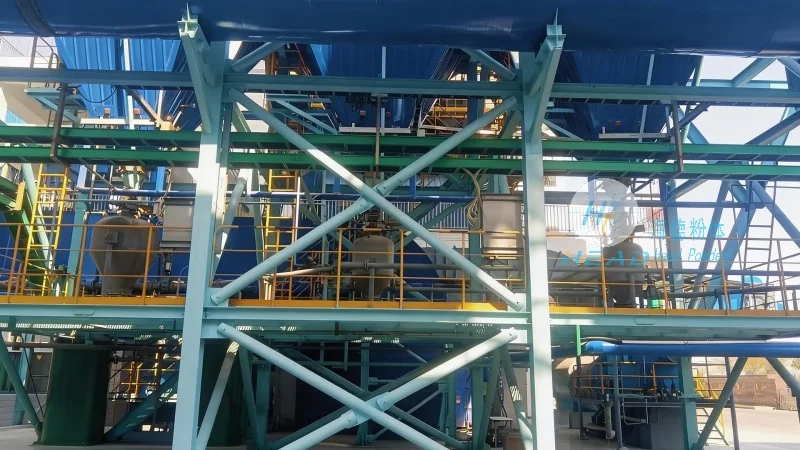
Overview of Limestone Transport Technologies
Traditional limestone transport often relies on mechanical systems such as belt conveyors, screw conveyors, and bucket elevators. While these methods are widely adopted, they may encounter challenges like material degradation, high maintenance demands, and limited flexibility in handling varying particle sizes. In contrast, pneumatic conveying offers a more advanced solution that addresses many of these limitations.
Pneumatic Conveying: A Modern Solution for Limestone Transport
HeadPowder, a leading provider of material handling solutions, specializes in pneumatic conveying systems tailored for limestone transport. Pneumatic conveying utilizes compressed air or gas to transport bulk materials like limestone through a pipeline network. This method delivers several key benefits, including the ability to handle fine and abrasive particles, reduce dust generation, and achieve higher transport speeds compared to traditional mechanical systems.
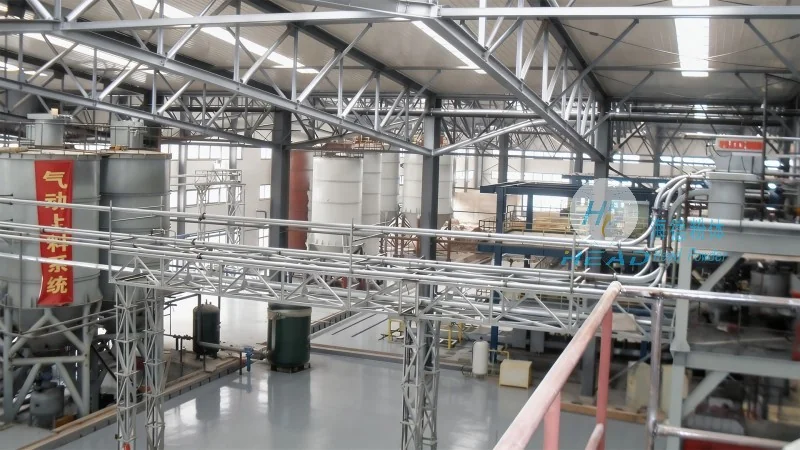
Key Advantages of Limestone Pneumatic Conveying
One primary advantage of pneumatic conveying for limestone is its capability to handle a wide range of particle sizes and moisture content. Unlike mechanical conveyors that may experience blockages or wear from abrasive materials, pneumatic systems use air pressure to move particles, minimizing equipment wear and extending service life. Additionally, pneumatic conveying can be integrated with dust collection systems, ensuring compliance with environmental regulations and improving workplace safety.
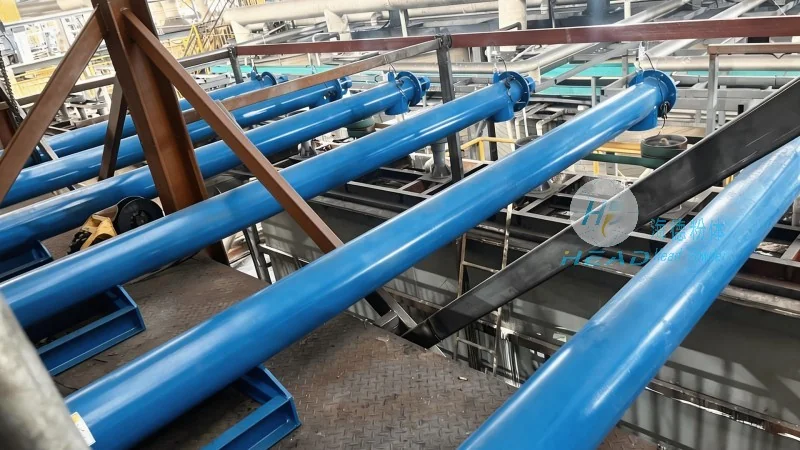
Applications of Limestone Pneumatic Conveying
Limestone pneumatic conveying is widely used in industries where precise material control and minimal contamination are essential. For instance, in chemical plants, limestone is often used as a raw material for calcium carbonate production, and pneumatic conveying ensures material delivery to reactors without mixing with other substances. In construction, limestone is used in cement production, and pneumatic systems help maintain consistent quality by preventing material segregation during transport.
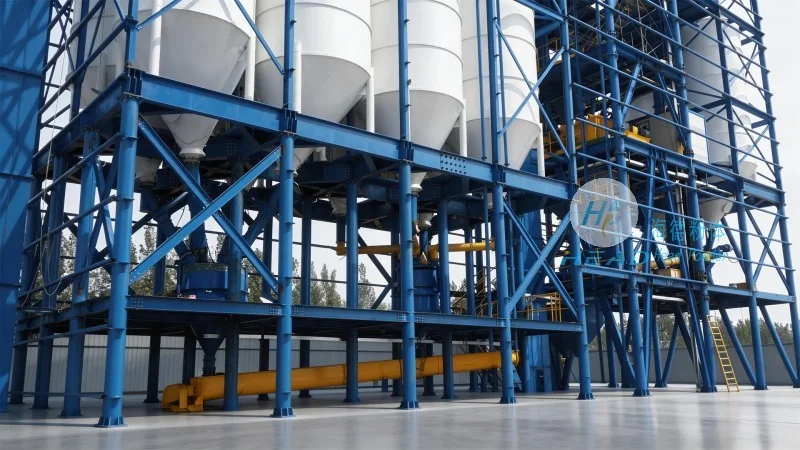
Customized Pneumatic Conveying Systems by HeadPowder
HeadPowder, headquartered in Shandong, China, offers customized pneumatic conveying solutions designed to meet specific limestone transport needs. Our engineering team collaborates closely with clients to assess operational requirements, material characteristics, and site constraints to design an optimal conveying system. Whether for short-distance or long-distance transport, our systems are engineered for reliability, efficiency, and durability.
Conclusion: The Future of Limestone Transport
As industries pursue more efficient and sustainable material handling solutions, pneumatic conveying emerges as a versatile and effective method for limestone transport. With its ability to handle diverse material properties and integrate seamlessly with modern industrial processes, pneumatic conveying is poised to remain a key technology in the limestone industry. HeadPowder remains committed to providing innovative solutions that enhance operational performance and support the growth of our clients' businesses.