

Principles and Application Scenarios of Cereal Dregs Pneumatic Conveying
Understanding the principles and application scenarios of cereal dregs pneumatic conveying is crucial for optimizing material handling processes in various industrial settings. This article explores the fundamental mechanisms behind pneumatic conveying systems, specifically tailored for the efficient transport of cereal dregs, a byproduct commonly found in the grain processing industry. By examining the technical aspects and practical implementations, we aim to provide a comprehensive overview that highlights the advantages and operational characteristics of such systems.
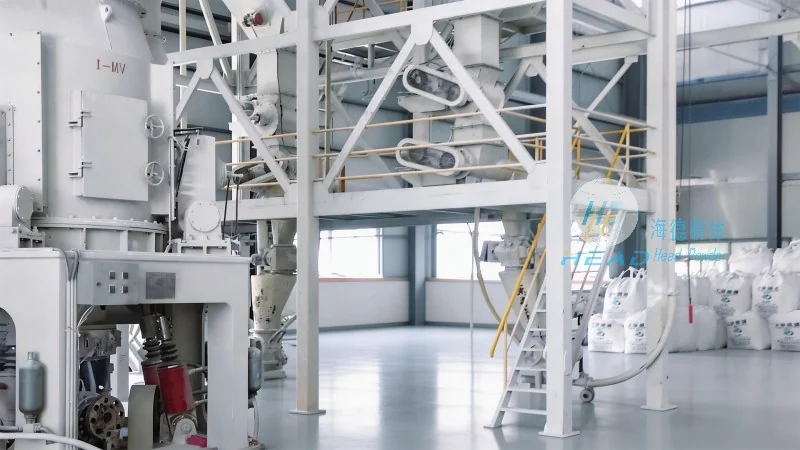
Basic Principles of Pneumatic Conveying for Cereal Dregs
Pneumatic conveying systems utilize air or gas to transport bulk materials, such as cereal dregs, through a network of pipes. The core principle involves creating a pressure differential that propels the material along the pipeline. There are two primary types of pneumatic conveying systems: positive pressure and negative pressure. Positive pressure systems generate air pressure above atmospheric levels, pushing the material through the pipeline, while negative pressure systems create a vacuum that draws the material into the system. For cereal dregs, which are typically light and dusty, positive pressure systems are often preferred due to their ability to handle high material loads and maintain consistent flow rates.
The operation of a positive pressure system for cereal dregs typically involves a blower or compressor that supplies compressed air to the conveying line. The material is introduced into the system via a hopper or feeder, where it is mixed with the air stream. As the air and material mixture travels through the pipeline, the air velocity is maintained above the material's terminal velocity to ensure continuous transport. Key components of such a system include the air source, material feeder, conveying line, and discharge equipment. The design of these components is critical to achieving efficient and reliable operation, as factors like air pressure, flow rate, and pipe diameter directly impact the system's performance.
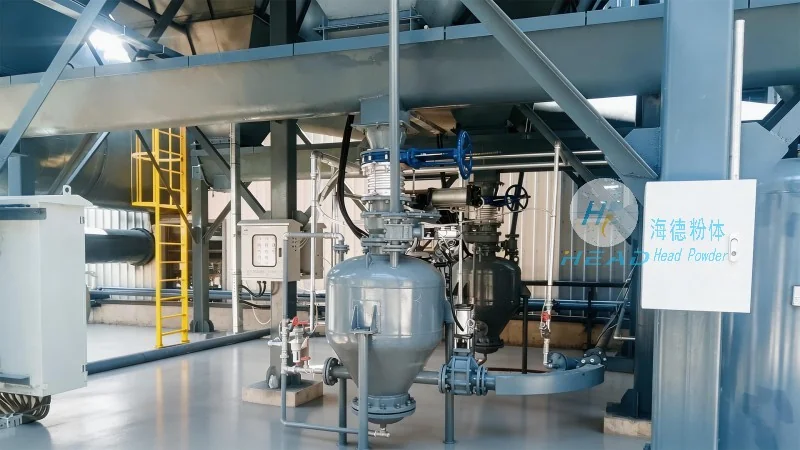
Key Working Scene Characteristics of Cereal Dregs Pneumatic Conveying
The application scenarios for cereal dregs pneumatic conveying vary widely across different industries, each presenting unique challenges and requirements. In the grain processing sector, for instance, these systems are commonly used to transport dregs from storage silos to processing facilities or to transfer them to waste management areas. The ability to handle large volumes of material with minimal labor and space requirements makes pneumatic conveying an attractive solution for high-throughput operations.
In the food processing industry, where hygiene and product quality are paramount, the design of pneumatic conveying systems for cereal dregs must adhere to strict standards. This includes the use of stainless steel components, sealed systems to prevent dust contamination, and proper filtration to maintain air quality. The systems are often integrated with other processing equipment, such as drying or grinding units, to streamline the overall production workflow. Additionally, the flexibility of pneumatic conveying allows for easy reconfiguration of the system layout, enabling adaptation to changing production needs or facility expansions.
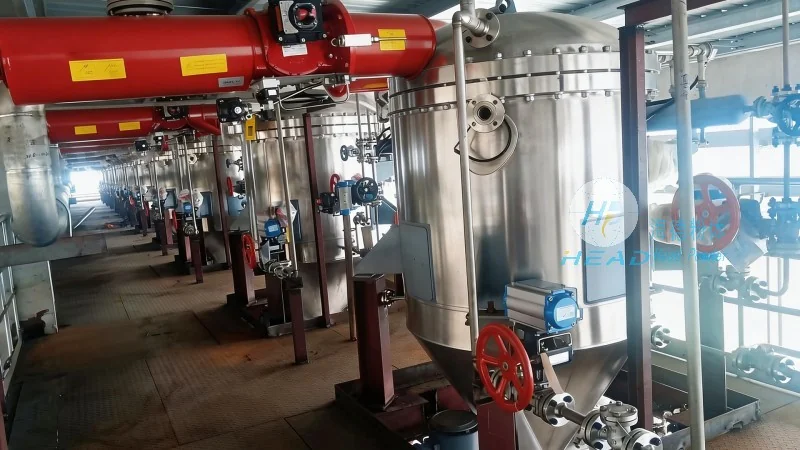
Another important application scenario is in the agricultural and feed manufacturing sectors, where cereal dregs may be used as animal feed or further processed into biofuels. Pneumatic conveying systems are well-suited for these applications due to their ability to transport materials over long distances with minimal degradation. The systems can be designed to handle varying particle sizes and moisture content, ensuring consistent material quality throughout the transport process. This flexibility makes them ideal for both on-site and off-site material handling, supporting efficient supply chain management.
Advantages and Operational Considerations
Implementing a cereal dregs pneumatic conveying system offers several advantages over traditional mechanical conveying methods. One of the most significant benefits is the reduction in labor costs and operational space, as the system eliminates the need for multiple transfer points or conveyor belts. Additionally, pneumatic conveying systems are less prone to material blockages and can handle materials with high moisture content or sticky properties, which may cause issues with mechanical systems. The ability to transport materials in a closed system also minimizes dust emissions and improves workplace safety, aligning with environmental regulations and industry best practices.
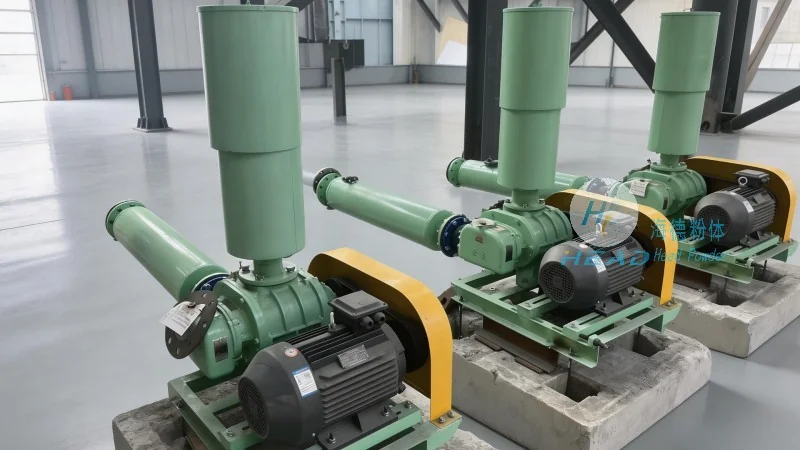
However, the successful operation of a pneumatic conveying system for cereal dregs requires careful consideration of several operational factors. The air pressure and flow rate must be optimized to prevent material degradation or system wear. Regular maintenance of components, such as blower motors and pipe filters, is essential to ensure long-term reliability. Furthermore, the system's design must account for the specific properties of cereal dregs, including particle size distribution, bulk density, and flowability, to achieve optimal performance. By addressing these considerations, operators can maximize the efficiency and lifespan of their pneumatic conveying systems.
About Shandong HeadPowder Engineering Co., Ltd.
Shandong HeadPowder Engineering Co., Ltd., a leading provider of industrial engineering solutions, specializes in the design, manufacturing, and installation of pneumatic conveying systems tailored to the needs of the grain and food processing industries. With a focus on innovation and customer satisfaction, the company has established itself as a trusted partner for businesses seeking efficient and reliable material handling solutions. HeadPowder's expertise in pneumatic conveying technology, combined with its commitment to quality and service, makes it an ideal choice for companies looking to enhance their operational efficiency and reduce costs. The company's headquarters is located in Shandong, China, where it leverages local resources and industry knowledge to deliver cutting-edge solutions to clients worldwide.