

Principle and Working Scene Characteristics of Sesame Pneumatic Conveying
For businesses involved in sesame processing, efficient material handling is crucial to maintaining production efficiency and product quality. Pneumatic conveying systems offer a reliable solution for transporting sesame and other similar granular materials. This article explores the fundamental principles of sesame pneumatic conveying and highlights the key characteristics of its working scenarios, providing insights into how such systems can enhance operational performance.
Understanding the Principle of Sesame Pneumatic Conveying
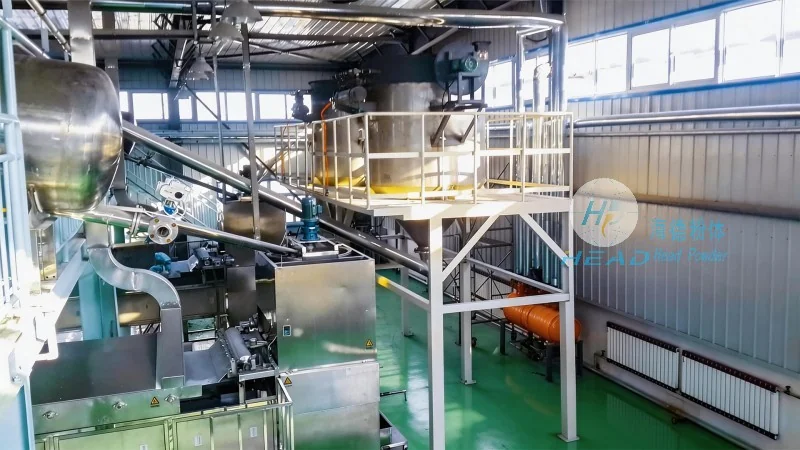
Sesame pneumatic conveying operates on the principle of using compressed air to move particles through a pipeline. Unlike traditional mechanical conveyors, this method eliminates the need for moving parts that come into direct contact with the material, reducing wear and maintenance requirements. The system typically consists of a hopper, a blower or compressor, a pipeline network, and a receiver. When the system is activated, the blower generates a high-pressure air stream that draws the sesame from the hopper into the pipeline. The air and particles are then carried through the system to the destination, where the air is separated from the product and the sesame is collected.
The core of the process lies in the balance between air velocity and particle size. The air velocity must be sufficient to overcome the gravitational force acting on the sesame particles and to maintain them in suspension. This ensures that the particles move smoothly through the pipeline without settling or clogging. The design of the hopper and the angle of the pipeline are critical factors that influence the efficiency of the conveying process. Properly designed hoppers prevent material bridging and ensure a consistent flow of sesame into the system. The pipeline network is often arranged in a loop or a series of branches to accommodate different processing stages, such as cleaning, grading, or packaging.
Key Working Scene Characteristics of Sesame Pneumatic Conveying
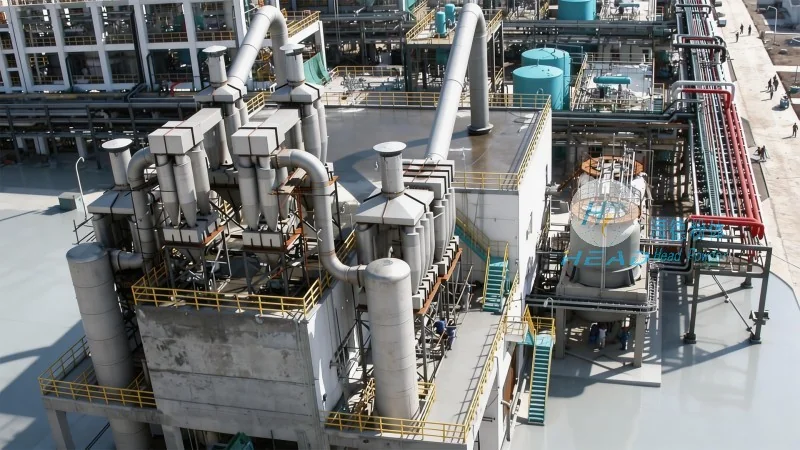
The application of sesame pneumatic conveying varies across different industrial settings, each with its own unique requirements and advantages. Understanding these characteristics is essential for selecting the most suitable system for a specific operation.
1. Processing Plants and Production Lines
In sesame processing plants, pneumatic conveying is commonly used to transport raw sesame from storage silos to processing equipment, such as hullers or roasters. The system allows for a seamless integration of different processing stages, ensuring that the material moves efficiently without manual handling. The enclosed pipeline design also helps maintain hygiene standards, which is particularly important in food processing environments. Companies like Shandong HeadPowder Engineering Co., Ltd. specialize in designing customized pneumatic conveying systems tailored to the specific needs of sesame processing facilities, ensuring optimal performance and minimal downtime.
2. Storage and Handling Facilities
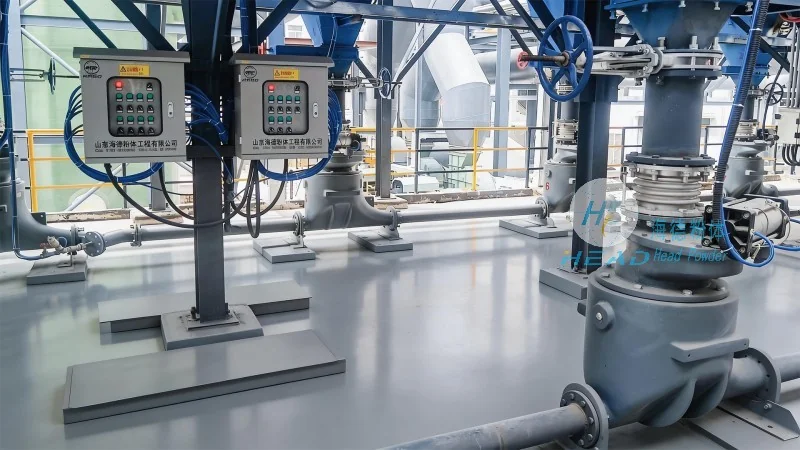
For sesame storage and handling facilities, pneumatic conveying systems provide an effective means of moving large quantities of raw material between storage bins and processing areas. The ability to convey materials over long distances without the need for intermediate transfer points reduces the risk of contamination and loss. The system can also be integrated with automated controls, allowing for real-time monitoring of material flow and system performance. This is particularly beneficial for facilities that operate on a large scale, where efficiency and consistency are paramount.
3. Packaging and Distribution Centers
In packaging and distribution centers, pneumatic conveying is used to transport processed sesame from production lines to packaging machines. The system ensures that the product is delivered to the packaging line in a clean and controlled manner, minimizing the risk of product damage or contamination. The enclosed nature of the system also helps maintain the quality of the sesame, preserving its flavor and texture. The flexibility of pneumatic conveying allows for easy integration with different packaging equipment, making it a versatile solution for various packaging requirements.
Advantages and Considerations in Sesame Pneumatic Conveying
Implementing a sesame pneumatic conveying system offers several advantages, including reduced labor costs, improved product quality, and enhanced operational efficiency. However, there are also considerations that need to be taken into account when selecting and operating such a system. For instance, the choice of air velocity and pressure must be optimized to prevent excessive wear on the pipeline and to minimize energy consumption. Additionally, the system requires regular maintenance to ensure consistent performance, particularly in environments where the material may be prone to clogging or abrasion.
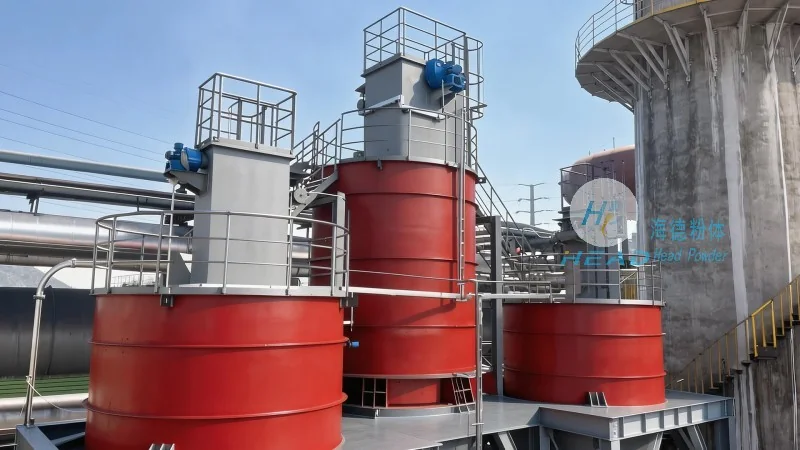
HeadPowder, a leading provider of engineering solutions for material handling, offers comprehensive support for sesame pneumatic conveying systems. With years of experience in designing and manufacturing customized systems, HeadPowder understands the unique challenges faced by sesame processing industries. Their expertise in system design, material selection, and installation ensures that clients receive a reliable and efficient solution that meets their specific operational needs. The company's commitment to quality and customer satisfaction has made it a trusted partner for businesses looking to enhance their material handling processes.
Whether used in processing plants, storage facilities, or packaging centers, sesame pneumatic conveying systems provide a robust and efficient method for handling sesame. By understanding the principles and characteristics of these systems, businesses can make informed decisions that lead to improved productivity and better product outcomes. With the right system in place, sesame processing operations can achieve higher levels of efficiency, reduce costs, and maintain the quality of their products, ultimately contributing to their long-term success.