

Principles and Working Scenario Characteristics of Pneumatic Dust Removal
For industrial operations dealing with airborne particulate matter, effective dust control is crucial for maintaining air quality, ensuring worker safety, and complying with environmental regulations. Pneumatic dust removal systems represent a sophisticated approach to managing dust emissions, leveraging the principles of fluid dynamics and mechanical separation to capture and remove particulates from the air stream. This article explores the core principles behind pneumatic dust removal and highlights the distinct characteristics of its application across various industrial scenarios.
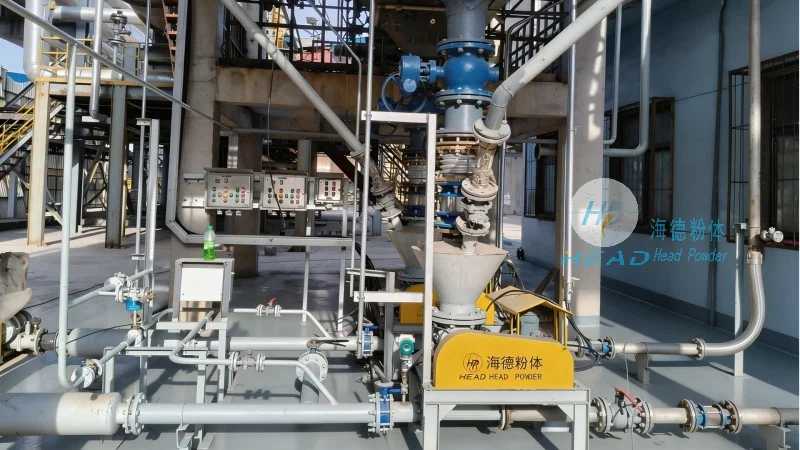
Introduction to Pneumatic Dust Removal Systems
Pneumatic dust removal, also known as air-based dust collection, is a method that uses compressed air or a moving air stream to transport dust particles from a source to a collection device. Unlike traditional mechanical systems that rely on filters or cyclones, pneumatic systems utilize the kinetic energy of the air to entrain and transport dust, often with the assistance of a vacuum or pressure differential. This approach is particularly effective in environments where dust is generated continuously or in large quantities, such as in mining, chemical processing, and food processing industries.
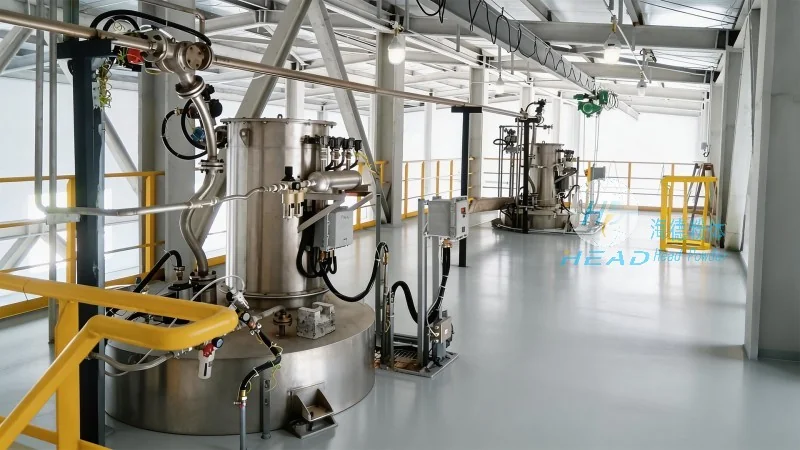
The Fundamental Principle of Pneumatic Dust Removal
The core principle of pneumatic dust removal is based on the concept of particle entrainment and separation. When a high-velocity air stream is introduced into a dust-laden environment, it creates a suction or pressure effect that draws dust particles into the air flow. These particles are then carried along with the air stream to a collection unit, where they are separated from the air through processes like cyclonic separation, filtration, or gravity settling. The efficiency of this system depends on several factors, including the velocity of the air stream, the size and density of the dust particles, and the design of the collection equipment. Advanced pneumatic systems may incorporate features such as pulse-jet cleaning for filters or multi-stage separation to enhance dust removal efficiency.
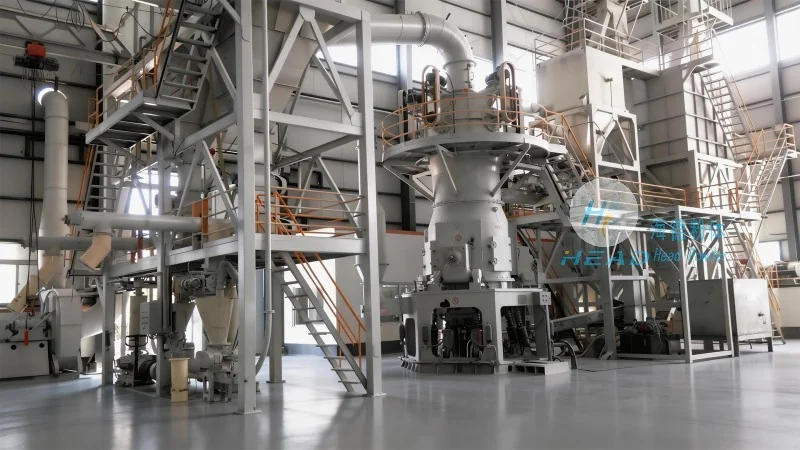
Key Working Scenarios and Applications
Pneumatic dust removal systems are widely employed in diverse industrial settings, each with unique challenges and requirements. In mining operations, for example, these systems are used to capture dust from rock crushing, drilling, and loading processes, where high concentrations of fine particulates pose significant health risks to workers. The systems are designed to handle abrasive and heavy dust loads, often with robust materials and high-capacity fans to maintain consistent airflow. In chemical manufacturing, pneumatic dust removal is critical for controlling emissions from processes involving powders, such as pharmaceuticals, plastics, and fertilizers. The systems must be capable of handling a variety of dust types, including those that are toxic or explosive, requiring specialized filtration and safety measures. Similarly, in food processing facilities, pneumatic dust removal is used to manage dust from grain handling, packaging, and processing lines, where maintaining hygiene and preventing contamination is paramount. The systems are typically designed to be clean and easy to maintain, with components that are resistant to moisture and food residues.
Technical Advantages in Industrial Environments
Compared to other dust control methods, pneumatic dust removal offers several technical advantages that make it a preferred choice in many industrial applications. One of the primary benefits is its high efficiency in capturing fine particles, often achieving removal rates of 99% or higher, which is essential for meeting stringent environmental regulations. The systems are also relatively compact and can be integrated into existing facilities with minimal disruption, reducing installation costs and downtime. Additionally, pneumatic systems are highly adaptable, allowing for customization to suit specific dust characteristics and operational requirements. For instance, variable speed fans can be used to adjust airflow based on the amount of dust generated, optimizing energy consumption. The use of compressed air as the transport medium also allows for the integration of multiple collection points, enabling centralized dust management and reducing the need for individual local filters.
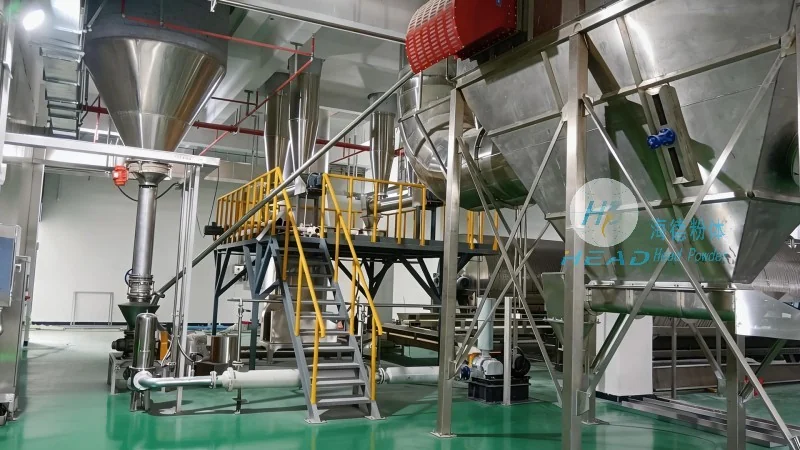
Company Profile: Shandong HeadPowder Engineering Co., Ltd.
Headpowder, the Shandong HeadPowder Engineering Co., Ltd., is a leading provider of pneumatic dust removal solutions, with operations based in Shandong, China. The company specializes in designing, manufacturing, and installing custom dust control systems tailored to the unique needs of industrial clients. With a strong focus on innovation and quality, Headpowder utilizes advanced engineering principles to develop systems that deliver reliable performance and long-term durability. The company’s team of experts works closely with clients to assess their specific dust challenges and recommend the most effective solutions, ensuring optimal air quality and compliance with local regulations. Headpowder’s commitment to customer satisfaction and technical excellence has established it as a trusted partner in the industrial dust control industry.