

Principles and Application Scenarios of Airflow Conveying Equipment
HeadPowder, a leading manufacturer based in Shandong, China, specializes in the design, development, and production of advanced airflow conveying systems. Our company, Shandong HeadPowder Engineering Co., Ltd., has been committed to providing efficient and reliable solutions for material handling in various industries. The following content will explore the fundamental principles of airflow conveying equipment and highlight its key application scenarios.
Understanding the Core Principles of Airflow Conveying Equipment
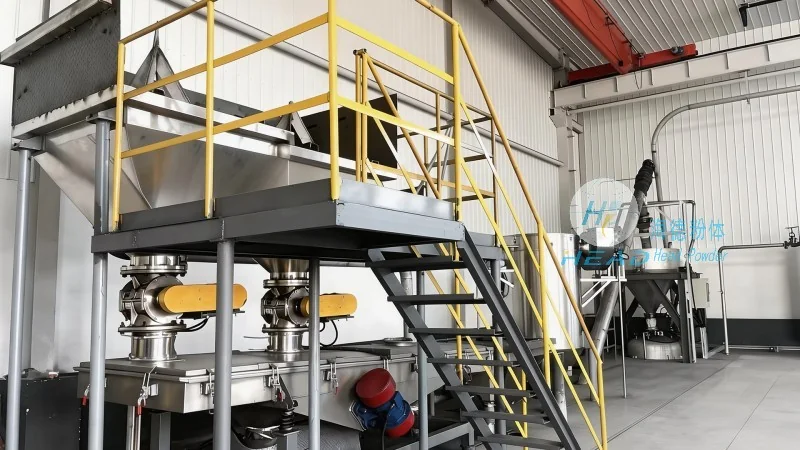
Airflow conveying equipment operates on the principle of using compressed air or other gases to transport bulk materials through a pipeline system. This method, also known as pneumatic conveying, leverages the kinetic energy of the air stream to move powders, granules, or other particulate materials from one location to another. The process typically involves a source of air (such as a blower or compressor), a hopper or feed point where the material is introduced, and a pipeline network that guides the material to its destination. The design of the system, including the type of air flow (e.g., dilute phase, dense phase, or pressure/venturi systems), plays a crucial role in determining the efficiency and suitability of the conveying operation. Dilute phase systems use high-velocity air to suspend particles, while dense phase systems employ lower velocities to push material in a more controlled manner. The choice of system depends on factors like material characteristics, distance, and required flow rate.
Key Application Scenarios and Industry Use Cases
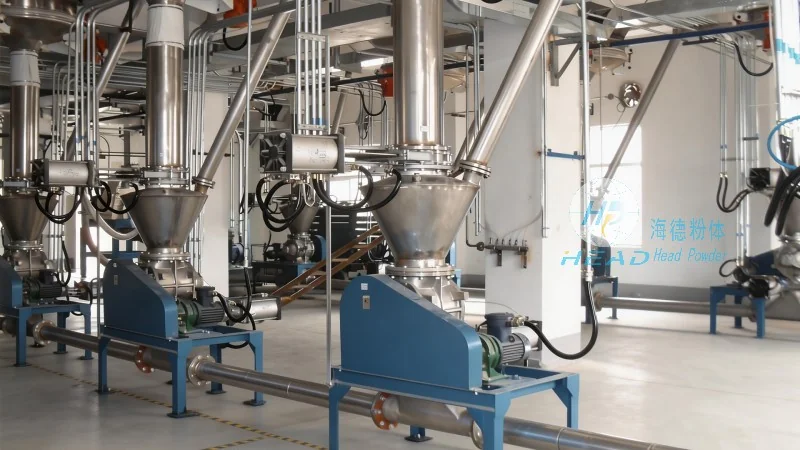
HeadPowder's airflow conveying equipment is widely utilized across multiple sectors, each presenting unique challenges and requirements. In the pharmaceutical industry, for example, the equipment is employed to transport active pharmaceutical ingredients (APIs) and other sensitive powders with strict contamination control measures. The systems are designed to maintain sterile conditions and prevent cross-contamination, ensuring compliance with regulatory standards. In the food processing sector, the equipment handles dry ingredients like flour, sugar, and spices, where hygiene and product integrity are paramount. The use of stainless steel components and air filtration systems helps maintain a clean environment, suitable for food-grade applications. The chemical industry also relies on these systems for transporting various powders and granules, including chemicals, pigments, and catalysts. The ability to handle abrasive or corrosive materials is a key advantage, as the equipment can be customized with appropriate materials of construction to withstand harsh conditions. Additionally, in the mining and mineral processing industries, airflow conveying is used to transport raw materials from processing plants to storage facilities or for further processing. The systems are designed to handle large volumes of bulk materials over long distances, optimizing material flow and reducing handling costs.
Advantages and Technical Considerations for Effective Operation
The adoption of airflow conveying technology offers several advantages over traditional mechanical conveying methods. One of the primary benefits is the ability to transport materials in a dust-free environment, which is critical in industries where dust control is essential for safety and regulatory compliance. The system also provides flexibility in terms of layout, as it can be easily integrated into existing production lines or reconfigured to accommodate changes in workflow. Furthermore, the equipment is relatively compact and can be installed in confined spaces, making it suitable for facilities with limited floor area. However, successful operation of airflow conveying systems requires careful consideration of several technical factors. The selection of the appropriate air flow type is crucial, as it directly impacts the conveying efficiency and energy consumption. For instance, dilute phase systems may be more energy-intensive but suitable for short distances and low material loads, whereas dense phase systems are more efficient for longer distances and higher material loads. The design of the pipeline network, including the diameter, length, and number of bends, also affects the system's performance. Proper maintenance, such as regular cleaning of filters and checking for air leaks, is essential to ensure consistent operation and prevent system downtime. HeadPowder's expertise in system design and engineering helps clients optimize these factors, ensuring reliable and efficient material handling solutions.
Customization and Integration Capabilities
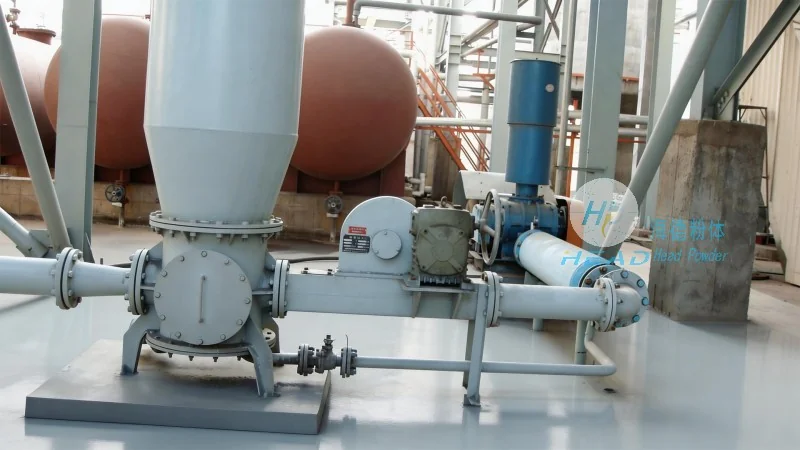
HeadPowder understands that each industrial application has unique requirements, and our company offers comprehensive customization and integration services to meet these needs. Our engineers work closely with clients to assess their specific material handling challenges and design tailored airflow conveying systems. This includes selecting the appropriate equipment components, such as blowers, hoppers, and control valves, based on the material properties and operational parameters. The company also provides integration services to ensure seamless connection with existing production lines or storage systems. For example, in a food processing plant, the airflow conveying system can be integrated with a silo or a packaging line, allowing for automated material transfer. Additionally, HeadPowder offers after-sales support, including maintenance services and technical assistance, to ensure the long-term performance and reliability of the equipment. Our commitment to quality and customer satisfaction has made us a trusted partner for businesses seeking efficient and reliable material handling solutions across various industries.