

Working Principle and Features of Pneumatic Conveying Equipment for Lithium-Ion Battery Nanomaterial
HeadPowder, a leading manufacturer based in Shandong, China, specializes in advanced pneumatic conveying systems designed for handling lithium-ion battery nanomaterials. This equipment is crucial for the efficient and safe transportation of sensitive materials used in modern battery production.
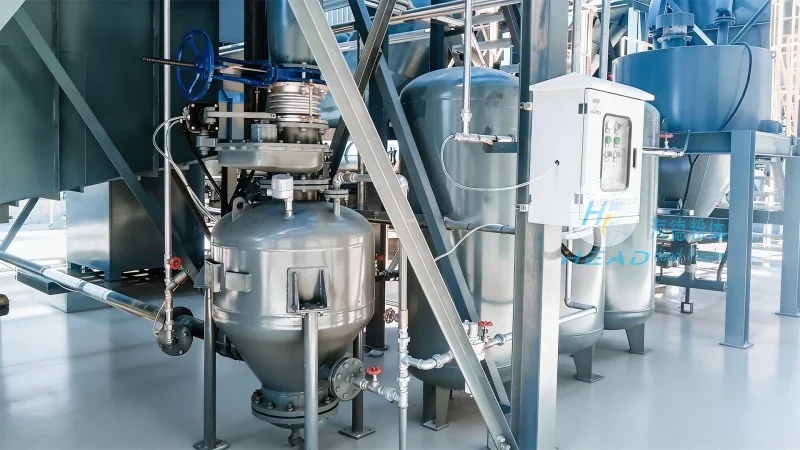
Working Principle of Pneumatic Conveying Equipment
The core mechanism of pneumatic conveying for lithium-ion battery nanomaterials involves the use of compressed air to transport powders or granules through a pipeline system. The process typically starts with the material being fed into a hopper or feeder, where it is then drawn into a conveying line by the air flow. The equipment utilizes either positive or negative pressure systems, depending on the specific application and material properties. Positive pressure systems blow air through the material, while negative pressure systems create a vacuum to pull the material. This method ensures minimal material degradation and contamination, which is critical for high-purity nanomaterials used in battery manufacturing.
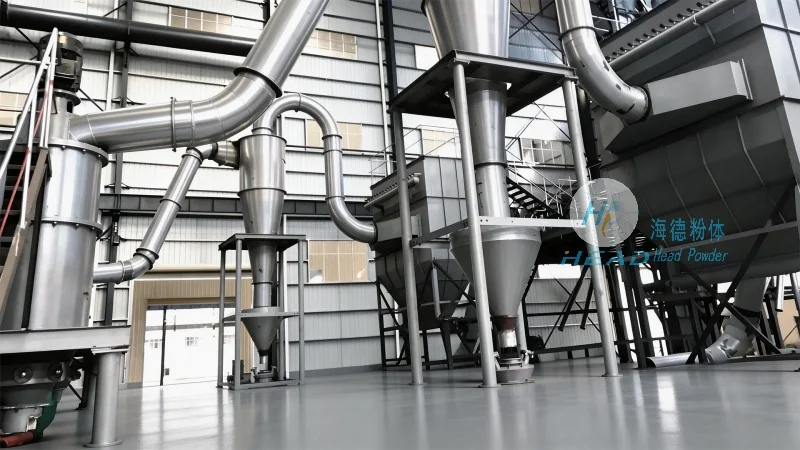
Key Features of the Equipment
HeadPowder's pneumatic conveying equipment for lithium-ion battery nanomaterials is engineered with several distinctive features that enhance performance and reliability. One of the primary advantages is its ability to handle fine powders and nanomaterials without clogging or agglomeration, thanks to the design of the feeding and conveying components. The system also offers precise control over material flow rates, ensuring consistent and accurate delivery to downstream processes such as mixing, coating, or packaging. Additionally, the equipment is constructed with materials resistant to corrosion and chemical exposure, making it suitable for the harsh environments often encountered in battery production facilities. Another notable feature is its compact design, which maximizes space efficiency in production lines while maintaining high throughput capabilities. The system's energy efficiency is also a key consideration, with optimized air flow and pressure management reducing operational costs.
Application-Specific Design Considerations
When designing pneumatic conveying systems for lithium-ion battery nanomaterials, several factors must be carefully considered to ensure optimal performance. The first is the material's particle size and density, as these properties directly impact the air velocity required for effective transport. For nanomaterials, which often have very small particle sizes, the equipment must be equipped with specialized nozzles and filters to prevent particle loss and maintain air quality. The system's pressure drop and energy consumption are also critical, as they affect overall operational costs. HeadPowder's engineers tailor each system to the specific nanomaterial being handled, incorporating features such as adjustable air flow rates, variable speed feeders, and advanced control systems to address these challenges. The equipment's ability to integrate with existing production lines is another important consideration, as it must seamlessly connect with upstream and downstream processes without disrupting workflow.
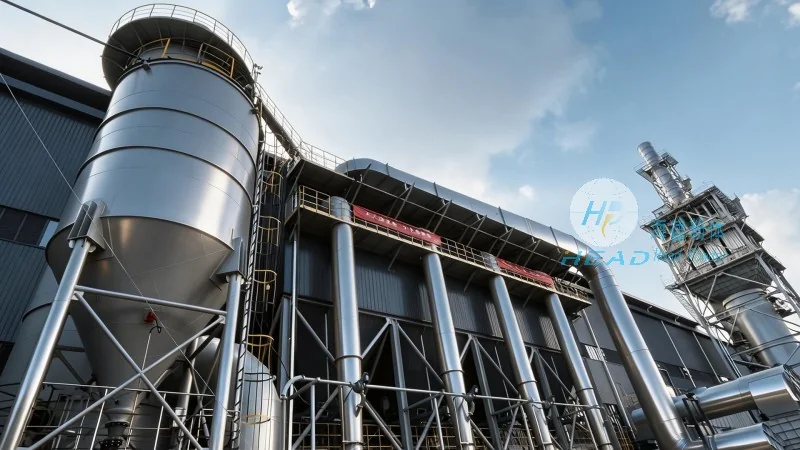
Advantages Over Traditional Conveying Methods
Compared to traditional methods like belt conveyors or bucket elevators, pneumatic conveying offers several advantages for handling lithium-ion battery nanomaterials. The most significant benefit is the reduced risk of material contamination and degradation, as the enclosed system prevents exposure to external elements. This is particularly important for nanomaterials, which are highly sensitive to moisture, oxygen, and other contaminants that can affect battery performance. Pneumatic conveying also provides greater flexibility in material routing, allowing for vertical, horizontal, or mixed-direction transport without the need for complex mechanical components. The system's ability to handle a wide range of material types, from fine powders to granules, makes it a versatile solution for various battery production stages. Furthermore, the equipment's low maintenance requirements and long service life contribute to its cost-effectiveness over time, making it a preferred choice for manufacturers seeking reliable and efficient material handling solutions.