

[WOKING PRINCIPLE AND FEATURES OF CEMENT AGGREGATE MATERIAL PNEUMATIC CONVEYING LINES]
HeadPowder, a leading manufacturer based in Shandong, China, specializes in providing advanced material handling solutions, including pneumatic conveying systems for cement and aggregate materials. Our products are designed to meet the demands of various industrial applications, ensuring efficient and reliable material transport. This article explores the working principle and key features of cement aggregate material pneumatic conveying lines, highlighting how they enhance operational efficiency and productivity.
About HeadPowder: Your Trusted Partner in Material Handling Solutions
HeadPowder Engineering Co., Ltd. is a professional company dedicated to the research, development, and manufacturing of high-quality pneumatic conveying equipment. With a strong commitment to innovation and customer satisfaction, we have established ourselves as a reliable partner in the material handling industry. Our headquarters is located in Shandong, China, where our team of experts works tirelessly to deliver cutting-edge solutions tailored to the specific needs of our clients. We pride ourselves on our ability to provide customized systems that optimize material transport processes, reduce downtime, and improve overall operational performance.
Working Principle of Pneumatic Conveying Lines for Cement and Aggregate Materials
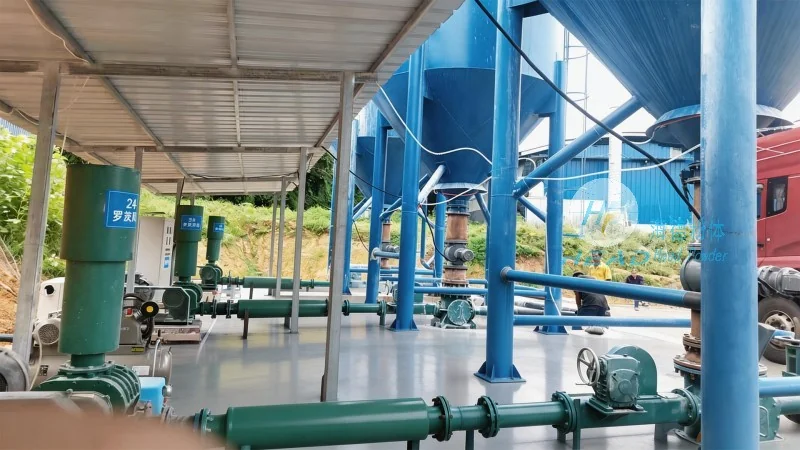
The core of a cement aggregate material pneumatic conveying line lies in its ability to transport bulk materials through an enclosed system using air or gas. The process typically involves several key components, including a feeding device, a conveying line (usually made of metal or plastic pipes), a blower or vacuum pump, and a separation and discharge system. The working principle can be categorized into two main types: pressure and vacuum systems. In a pressure system, compressed air is introduced at the discharge end, pushing the material forward through the pipeline. Conversely, a vacuum system uses a vacuum pump to draw material from the source into the pipeline. For cement and aggregate materials, the pressure system is more commonly used due to its ability to handle abrasive and heavy materials effectively. The feeding device, such as a rotary valve or a screw feeder, introduces the material into the pipeline at a controlled rate. The blower then generates the necessary airflow to move the material along the conveying line. As the material travels through the pipe, it is mixed with the air, forming a dense mixture that is propelled to the destination. At the receiving end, a separator, often a cyclone or a bag filter, separates the material from the air, allowing the material to be discharged and the air to be filtered and recycled. This continuous process ensures a smooth and efficient transport of cement and aggregate materials from the source to the processing or storage area.
Key Features and Advantages of Cement Aggregate Pneumatic Conveying Systems
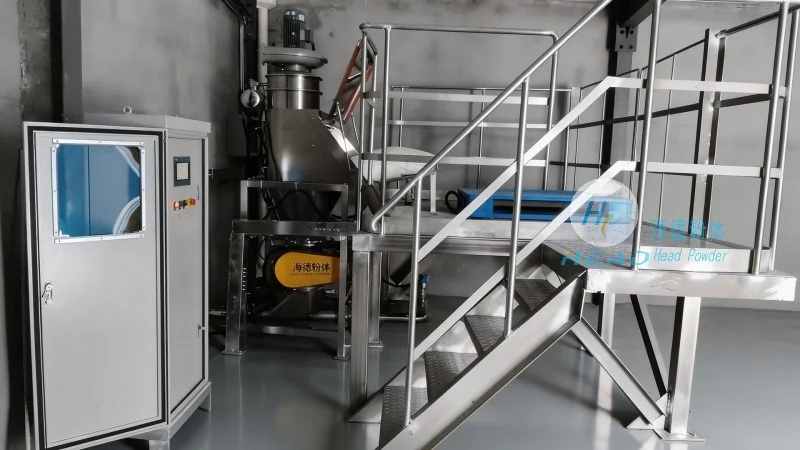
Cement aggregate material pneumatic conveying lines offer several distinct advantages that make them an ideal choice for industrial applications. One of the primary benefits is their high efficiency in material transport. Unlike traditional methods like belt conveyors or bucket elevators, pneumatic systems can handle large volumes of material with minimal labor and operational costs. The enclosed pipeline design also helps to prevent dust contamination, which is crucial for maintaining a clean and safe working environment, especially in environments where dust can pose health risks or affect product quality. Another significant advantage is the flexibility in system layout. Pneumatic conveying lines can be easily installed in various configurations, including vertical, horizontal, or a combination of both, allowing for customized solutions that fit the specific space constraints and operational requirements of a facility. This flexibility also enables the system to be integrated with other processing equipment, such as mixers, storage silos, or packaging machines, creating a seamless material handling workflow. Additionally, these systems are relatively low in maintenance compared to other bulk material transport methods. The components, such as the blower and separation equipment, are designed for durability and long service life, reducing the need for frequent repairs and replacements. This leads to lower maintenance costs and increased system uptime, contributing to overall operational efficiency. Furthermore, pneumatic conveying systems are highly adaptable to different material types and sizes. They can effectively handle a wide range of cement and aggregate materials, from fine powders to coarse aggregates, without causing degradation or segregation of the material. This adaptability makes them suitable for various applications, including cement production, concrete mixing, and construction material supply. The ability to transport materials over long distances without the need for intermediate storage or transfer points also enhances the overall productivity of the system. In summary, the key features and advantages of cement aggregate pneumatic conveying systems include high efficiency, dust-free operation, flexible layout, low maintenance, and adaptability to diverse material types.
Applications and Benefits in Cement and Construction Industries
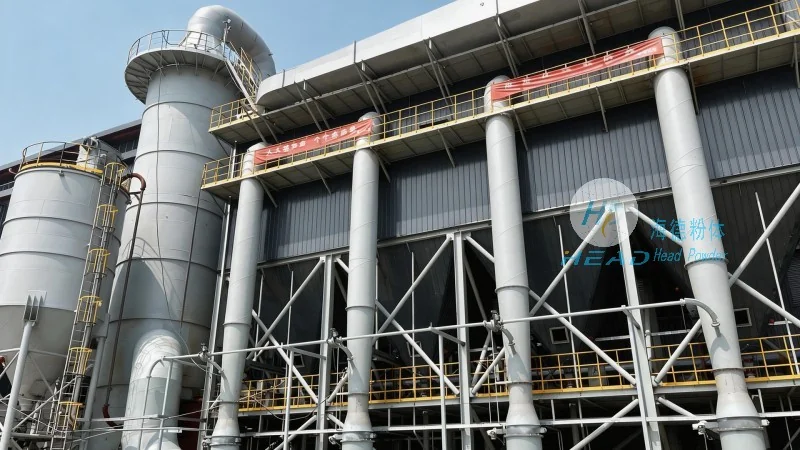
The applications of cement aggregate material pneumatic conveying lines are widespread across the cement and construction industries. In cement production facilities, these systems are used to transport raw materials such as limestone, clay, and sand from storage silos to the grinding mills. This ensures a continuous and controlled supply of raw materials, which is critical for maintaining the production rate and quality of cement. Similarly, in concrete mixing plants, pneumatic conveying lines are employed to transport aggregates from stockpiles to the batching area, ensuring that the right proportions of materials are delivered to the mixers. This not only improves the consistency of the concrete but also reduces the risk of material segregation, which can affect the strength and durability of the final product. Another common application is in the transportation of finished cement products, such as cement bags or bulk cement, from the production line to storage or shipping areas. The enclosed and dust-free nature of the system helps to maintain the quality of the cement, preventing contamination and ensuring that the product meets the required standards. In construction sites, pneumatic conveying systems can be used to transport aggregates and other construction materials to different work areas, eliminating the need for manual handling and reducing the risk of accidents. This improves the safety and efficiency of construction operations, allowing for faster project completion. The benefits of using pneumatic conveying systems in these applications are evident in terms of improved productivity, reduced labor costs, and enhanced product quality. By leveraging the advantages of these systems, companies can achieve better control over their material handling processes, leading to increased profitability and competitiveness in the market.
Conclusion: Why Choose HeadPowder for Your Pneumatic Conveying Needs
HeadPowder Engineering Co., Ltd. offers comprehensive solutions for cement aggregate material pneumatic conveying lines, combining advanced technology with expert engineering to meet the diverse needs of the industry. Our systems are designed to provide reliable, efficient, and cost-effective material transport solutions, ensuring that your operations run smoothly and productively. By understanding the working principle and key features of these systems, you can make an informed decision about integrating pneumatic conveying into your material handling processes. Whether you are in the cement production, construction, or related industries, HeadPowder is committed to delivering high-quality products and services that enhance your operational performance. With our headquarters in Shandong, China, we are well-positioned to serve clients globally, providing tailored solutions that meet your specific requirements. Choose HeadPowder for your pneumatic conveying needs and experience the difference that advanced material handling technology can make in your business.