

Working Principle and Features of Carbon Black and Coal Powder Material Pneumatic Conveying Lines
For industrial applications involving the handling of carbon black and coal powder, efficient material transport is crucial. This article explores the working principle and key features of pneumatic conveying lines designed for such materials, presented by Shandong HeadPowder Engineering Co., Ltd., a leading provider in China.
Working Principle of Carbon Black and Coal Powder Pneumatic Conveying Lines
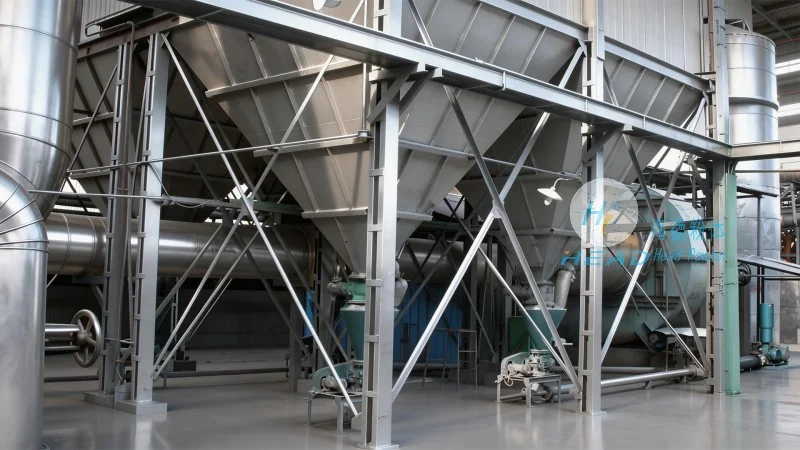
The pneumatic conveying system for carbon black and coal powder operates on the principle of using compressed air to transport bulk materials through a pipeline. The process typically involves several key components and steps. First, the material is fed into a hopper or feeder, where it is metered and prepared for transport. Then, a fan or blower generates a high-pressure air stream that draws the material into the pipeline. The air and material mixture travels through the pipeline, often with the aid of bends, elbows, or other fittings, to the destination point, such as a silo or processing unit. At the receiving end, the material is separated from the air through a separator, allowing the material to be discharged and the air to be filtered or recirculated. This continuous process ensures a reliable and efficient transfer of carbon black and coal powder, minimizing material loss and operational downtime.
Key Features of Carbon Black and Coal Powder Pneumatic Conveying Lines
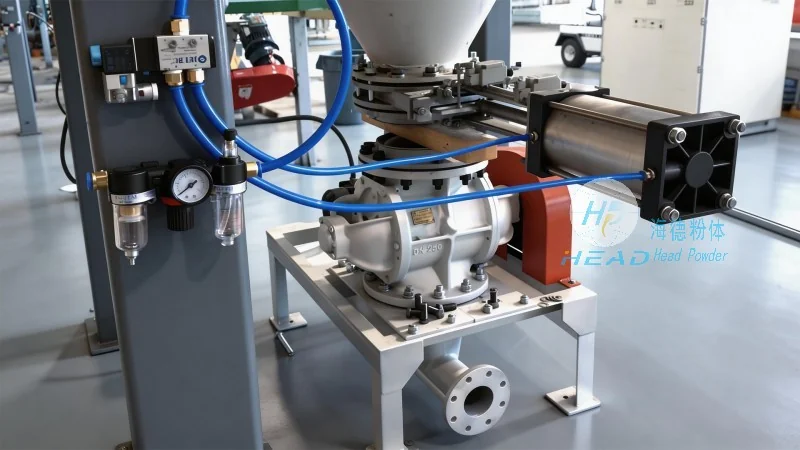
Shandong HeadPowder Engineering Co., Ltd. designs and manufactures pneumatic conveying lines tailored to the specific characteristics of carbon black and coal powder. These systems offer several advantages that enhance performance and reliability. One notable feature is the ability to handle fine, abrasive materials like carbon black without causing excessive wear on equipment components. The system’s design incorporates robust materials, such as stainless steel or specialized coatings, to withstand the abrasive nature of these powders. Additionally, the conveying lines are equipped with advanced control systems that allow for precise regulation of air flow and material feed, ensuring consistent and controlled transport. Another key feature is the system’s flexibility, as it can be adapted to various production scales and layouts, from small-scale laboratory applications to large industrial plants. The use of positive pressure or negative pressure systems can be customized based on the specific requirements of the application, providing optimal performance for different material types and processing conditions. Furthermore, the conveying lines are designed for easy maintenance and cleaning, with features like quick-release fittings and accessible components that simplify routine upkeep. This ensures minimal downtime and long-term operational efficiency.
Application and Performance Benefits
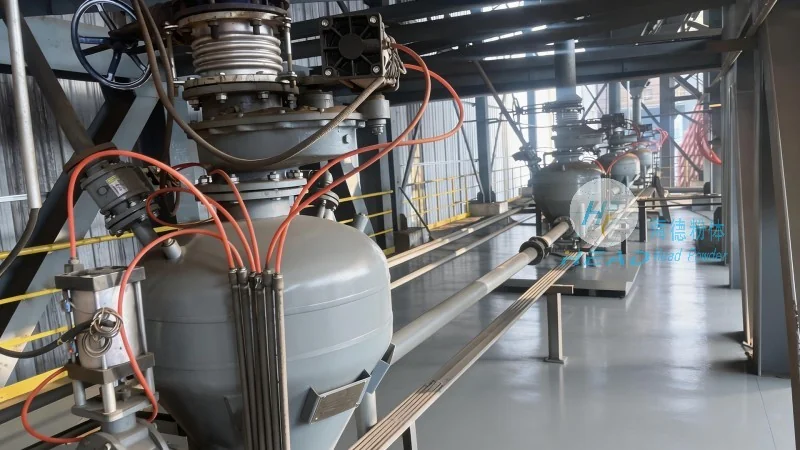
The pneumatic conveying lines for carbon black and coal powder are widely used in various industries, including chemical manufacturing, power generation, and mining. The system’s ability to transport materials over long distances without the need for mechanical components makes it ideal for applications where traditional belt or screw conveyors may be impractical. The efficient and dust-free operation of the system reduces environmental impact and improves workplace safety. By eliminating the need for manual handling, the system also enhances operational safety and reduces labor costs. The consistent material flow provided by the pneumatic conveying line ensures stable production processes, leading to higher product quality and reduced waste. The system’s adaptability to different material characteristics, such as particle size and moisture content, makes it a versatile solution for diverse industrial needs. Overall, the combination of efficient material transport, reliable performance, and low maintenance requirements makes these pneumatic conveying lines a preferred choice for handling carbon black and coal powder in modern industrial settings.