

Working Principle and Features of Pneumatic Conveying Equipment for Iron Powder Materials
When it comes to the efficient and reliable transport of iron powder materials, pneumatic conveying equipment emerges as a sophisticated solution that combines advanced engineering with practical application. This article delves into the working principle and distinctive features of such equipment, providing a comprehensive overview for industry professionals and potential clients seeking to understand the technology behind modern iron powder handling systems.
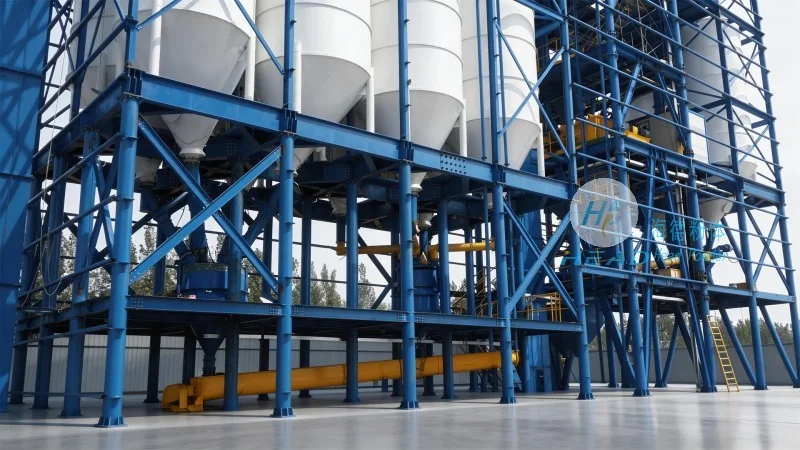
Company Profile: Shandong HeadPowder Engineering Co., Ltd.
HeadPowder, a leading manufacturer in the field of material handling solutions, specializes in the design, development, and production of pneumatic conveying systems tailored for various industrial applications. With a strong commitment to quality and innovation, the company has established itself as a trusted partner in the industry, delivering equipment that meets the stringent requirements of clients across different sectors. HeadPowder's operations are based in Shandong, China, where the company leverages local expertise and resources to ensure the highest standards of manufacturing and customer service.
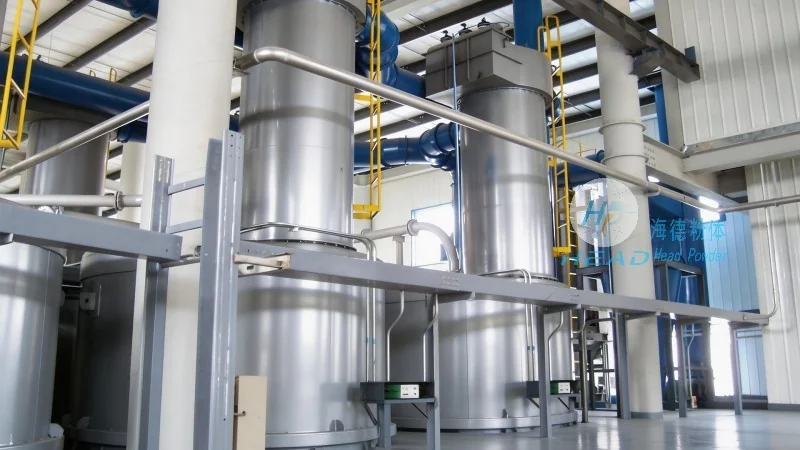
Working Principle of Pneumatic Conveying Equipment
The core of pneumatic conveying technology lies in the use of air or gas to transport bulk materials like iron powder through a pipeline system. The process typically involves either suction (or vacuum) or pressure methods, depending on the specific requirements of the application. In the suction method, a vacuum is created at the material source to draw the iron powder into the conveying line, while the pressure method uses compressed air to push the material forward. The equipment comprises several key components, including a hopper for material storage, a conveyor line with appropriate diameter and length, and a control system that regulates the air flow and pressure. The iron powder is introduced into the system through a feeder, which ensures a consistent flow rate, and the air stream propels the particles through the pipeline, delivering them to the destination point. This method eliminates the need for mechanical components like belts or screws, reducing maintenance and operational costs while minimizing material degradation.
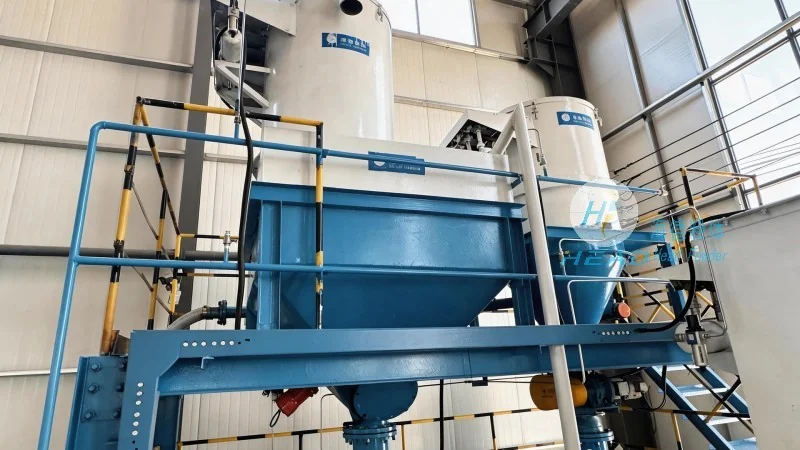
Key Features of Pneumatic Conveying Systems for Iron Powder Handling
Pneumatic conveying equipment for iron powder materials is characterized by several key features that enhance its performance and usability. One of the most notable advantages is the ability to handle fine or powdery materials without the risk of clogging or blockages, which are common issues with traditional mechanical conveyors. The system's design allows for a smooth and continuous flow of iron powder, ensuring minimal product loss and high throughput rates. Additionally, the equipment is highly adaptable to different production environments, with options for both horizontal and vertical conveying, depending on the layout of the facility. The use of air as the conveying medium also provides a hygienic and clean operation, which is crucial for industries where product purity is paramount. Furthermore, the system can be integrated with other processing equipment, such as mixers or reactors, to create a seamless production line that optimizes workflow and reduces downtime.
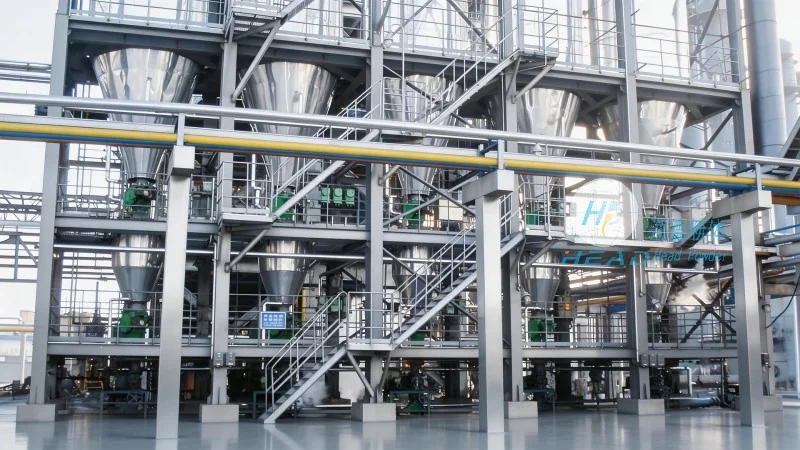
Technical Advantages and Practical Applications
The adoption of pneumatic conveying equipment for iron powder materials offers numerous technical advantages that make it a preferred choice in modern manufacturing. The system's efficiency in transporting bulk materials reduces labor costs and increases production capacity, while its low maintenance requirements contribute to long-term cost savings. The flexibility of the system allows for easy modifications to accommodate changes in production volume or material specifications, ensuring that the equipment remains effective over time. In practical applications, this technology is widely used in the production of iron powder-based products, such as pigments, magnetic materials, and additives for various industries. The equipment's ability to handle fine powders with precision makes it ideal for applications where particle size and distribution are critical factors. Moreover, the system's environmental benefits, such as reduced dust emissions and lower energy consumption compared to traditional methods, align with the growing emphasis on sustainable industrial practices.