

Working Principle and Features of Calcite Material Pneumatic Conveying Systems
Calcite, a common calcium carbonate mineral, is widely used in various industrial applications such as construction, pharmaceuticals, and chemical manufacturing. The efficient and reliable transportation of calcite material from one processing stage to another is crucial for maintaining production efficiency and minimizing operational costs. Pneumatic conveying systems have emerged as a preferred solution for handling calcite and other similar powders due to their ability to transport materials in a dust-free environment and with minimal maintenance requirements.
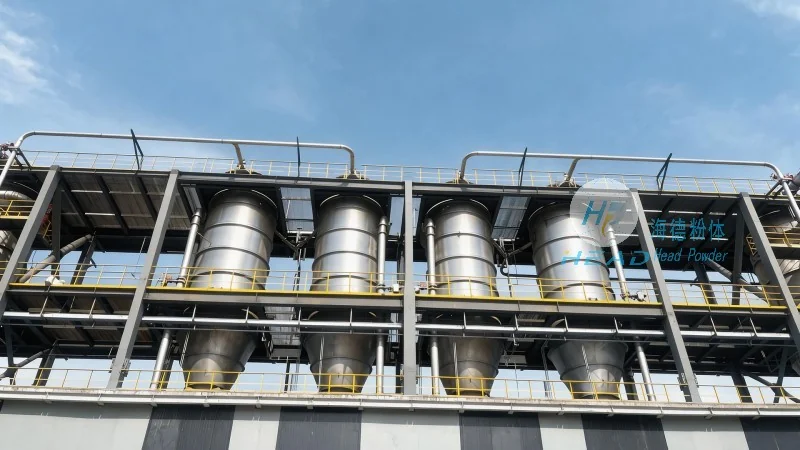
Overview of Pneumatic Conveying Systems for Calcite Material
Pneumatic conveying systems utilize air or other gases to transport bulk materials like calcite through a pipeline network. These systems are designed to handle materials with varying particle sizes, densities, and flow characteristics. The core components of a typical calcite pneumatic conveying system include a material feed hopper, a conveyor line (either positive or negative pressure), a separation and filtration system, and a discharge outlet. The system operates by introducing air into the material stream, creating a flow that moves the calcite particles through the pipeline to the destination point.
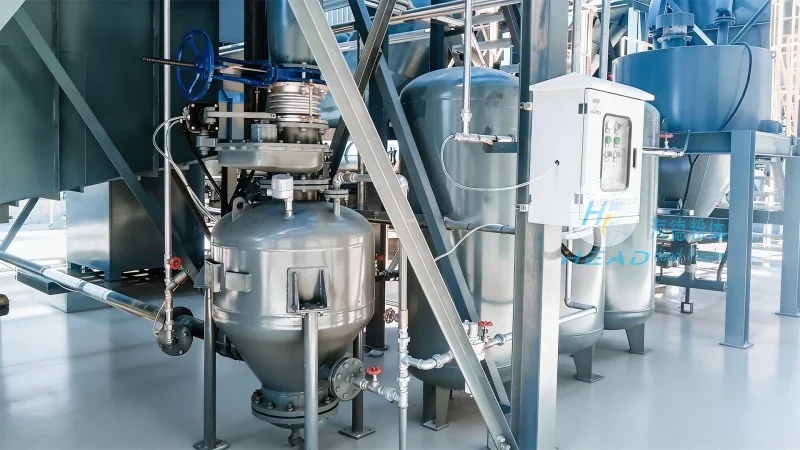
Working Principle of Calcite Material Pneumatic Conveying Systems
The working principle of a calcite pneumatic conveying system involves several key steps. First, the calcite material is fed into the system from a storage hopper or silo. The material is then introduced into the conveyor line, where it is mixed with the conveying air. The air velocity is carefully controlled to ensure that the calcite particles are entrained and transported without causing blockages or excessive wear on the system components. The conveying air, along with the calcite particles, travels through the pipeline to the receiving hopper or processing unit. At the receiving end, a separation and filtration system is used to separate the calcite material from the air, allowing the material to be discharged and the air to be filtered and recirculated if necessary.
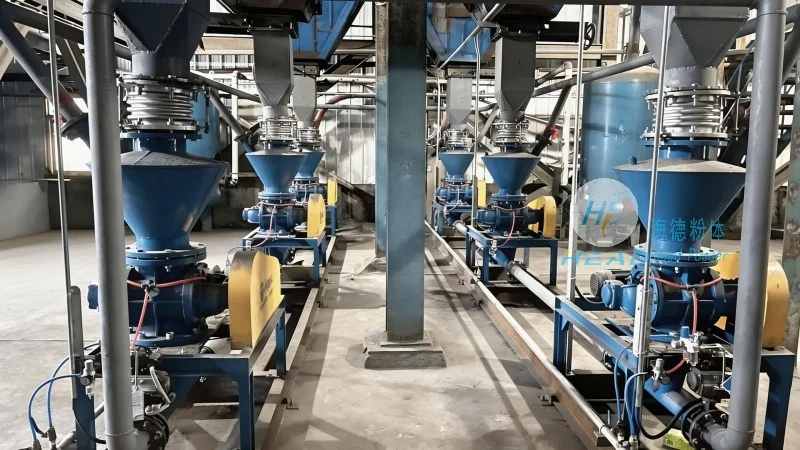
Key Features of Calcite Material Pneumatic Conveying Systems
Calcite pneumatic conveying systems offer several advantages that make them suitable for industrial applications. One of the primary features is the ability to transport calcite material in a closed system, which helps to prevent dust contamination and improve workplace safety. The systems are also designed to handle materials with high moisture content or sticky properties, which can be challenging for traditional belt or bucket conveyors. Additionally, pneumatic conveying systems can be configured to operate in both positive and negative pressure modes, providing flexibility in material handling applications. The systems are typically equipped with advanced control systems that allow for precise regulation of air flow, material feed rate, and system pressure, ensuring optimal performance and minimal downtime.
Applications and Benefits in Industrial Settings
Calcite pneumatic conveying systems are widely used in industries that require the handling of fine powders. In the construction industry, calcite is often used as a filler in cement and concrete production, and pneumatic conveying systems help to transport the material efficiently from storage to mixing plants. In the pharmaceutical industry, calcite is used as an excipient in drug formulations, and the dust-free nature of pneumatic conveying systems ensures that the material remains free from contamination, meeting stringent quality standards. The benefits of using pneumatic conveying systems for calcite material include improved product quality, reduced labor costs, and enhanced safety in the workplace. The systems are also designed to be energy-efficient, with some models incorporating air recycling systems to minimize energy consumption.
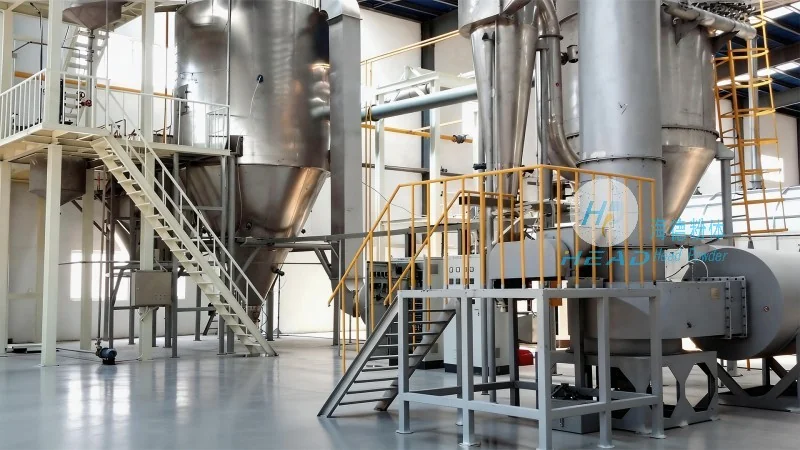
Customization and Integration with Existing Systems
Shandong HeadPowder Engineering Co., Ltd., a leading manufacturer of pneumatic conveying equipment, offers customized solutions for calcite material handling. The company specializes in designing and manufacturing systems that are tailored to the specific requirements of each customer. The systems can be integrated with existing processing lines, allowing for seamless material flow and minimal disruption to current operations. HeadPowder engineers work closely with clients to understand their material characteristics, production volumes, and operational constraints, ensuring that the final system meets all performance and safety standards. The company's commitment to quality and innovation has made it a trusted partner for businesses in the calcite processing industry.