

Working Principle and Features of a Lithium Cobalt Oxide Material Pneumatic Conveying System
Lithium cobalt oxide (LCO) is a critical component in lithium-ion batteries, widely used in electric vehicles, portable electronics, and renewable energy storage systems. As the demand for high-capacity batteries grows, the efficient and safe handling of LCO powder has become a key challenge for manufacturers. Pneumatic conveying systems offer a reliable solution for transporting LCO material from production lines to processing equipment, storage silos, or packaging units. This article explores the working principle and key features of such systems, highlighting their importance in modern battery manufacturing.

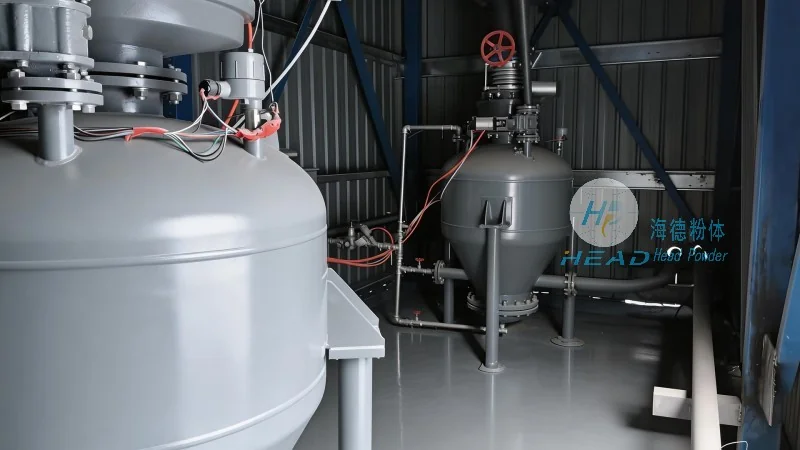
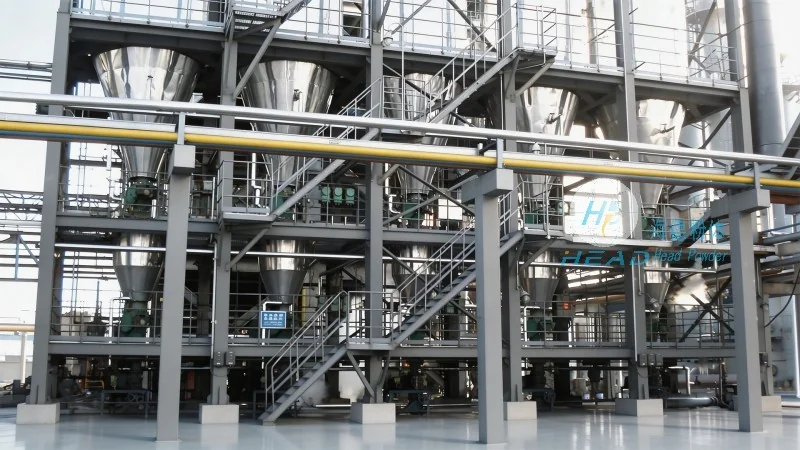
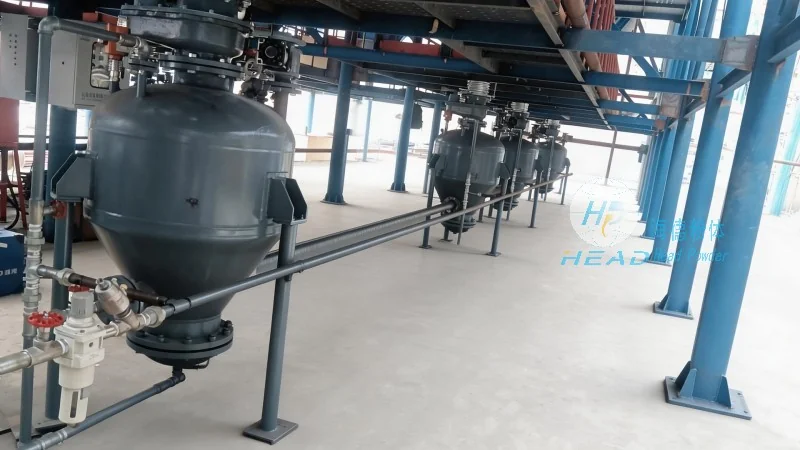
The Working Principle of a Lithium Cobalt Oxide Pneumatic Conveying System
A pneumatic conveying system for lithium cobalt oxide (LCO) material operates by utilizing compressed air to transport dry powder through a sealed pipeline. The process begins with the LCO powder being stored in a hopper, from which it is fed into the conveying line via a rotary valve or screw feeder. The feeder controls the flow rate of the material, ensuring a consistent and controlled discharge into the pipeline. Compressed air is then introduced into the line, typically at a pressure of 4-8 bar, depending on the system design and material characteristics. The air velocity inside the pipeline is maintained at a level sufficient to keep the powder particles suspended, preventing them from settling or clogging the line. The system may use a combination of positive and negative pressure zones to optimize the flow. In positive pressure systems, air is forced through the pipeline, while in negative pressure systems, air is drawn out of the pipeline, creating a vacuum that pulls the material forward. The choice between these systems depends on factors such as the distance of transport, the volume of material, and the need to minimize dust emissions. The conveying line is typically made of stainless steel or other corrosion-resistant materials to withstand the abrasive nature of LCO powder and prevent contamination. At the receiving end, the material is discharged into a silo or storage vessel through a receiver, which may include a filter to capture any fine particles and prevent them from escaping into the environment. The entire process is automated, with sensors and controls monitoring the system's performance and adjusting parameters as needed to ensure smooth operation.
Key Features and Advantages of the System
The pneumatic conveying system for LCO material offers several distinct advantages that make it superior to traditional mechanical conveying methods. Firstly, it provides an enclosed and dust-free environment, which is critical for maintaining the purity of LCO powder. Mechanical conveying, such as belt or bucket elevators, can generate significant dust and cause particle attrition, which can reduce the battery performance and lifespan. Pneumatic systems, on the other hand, keep the material contained within the pipeline, minimizing exposure to air and moisture, thus preserving the material's quality. Secondly, the system is highly efficient in terms of energy consumption and space utilization. By using compressed air, the system can transport large volumes of LCO powder over long distances with relatively low operational costs. The energy required to operate the system is primarily for air compression and control, which is significantly lower than the energy needed for mechanical conveying equipment. Thirdly, the system offers flexibility in system design and integration. It can be customized to fit different production layouts, including vertical and horizontal transport, and can be integrated with other equipment, such as mixers, classifiers, and packaging machines, to form a complete production line. This flexibility allows manufacturers to optimize their workflow and improve overall productivity. Additionally, the system is easy to maintain and clean. The components, such as the hopper, feeder, and pipeline, can be easily disassembled and sanitized, ensuring compliance with regulatory standards for battery material handling. The reliability of the system also contributes to increased production uptime, as it requires less downtime for maintenance compared to traditional mechanical systems. Furthermore, the system can be equipped with advanced control systems that monitor parameters like pressure, flow rate, and temperature, providing real-time data and alerts for any issues, ensuring optimal performance and minimizing the risk of material loss or equipment damage.