

Working Principle and Features of a Pneumatic Conveying System for Fertilizer Granules
For industrial applications involving the handling of fertilizer granules, efficient and reliable material transport is crucial. A pneumatic conveying system designed specifically for fertilizer granules offers a solution that combines advanced technology with practical design to meet the demands of modern fertilizer production and distribution. This article explores the working principle and key features of such a system, highlighting its benefits and operational advantages.
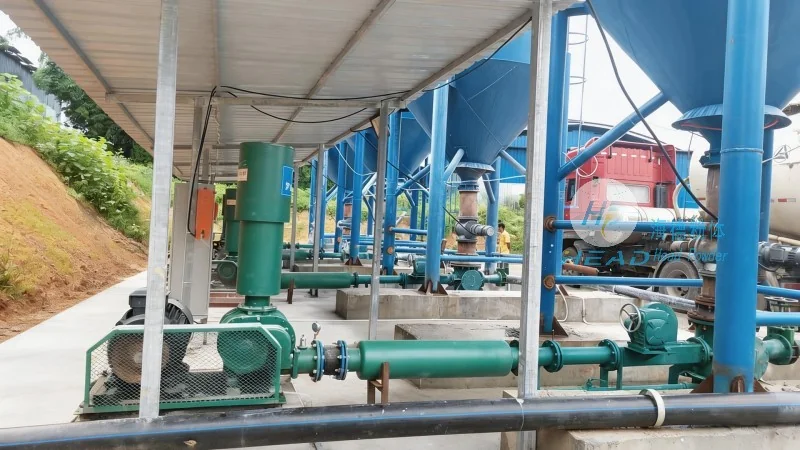
Overview of Pneumatic Conveying Systems for Fertilizer Granules
Before delving into the specifics, it is essential to understand the fundamental concept of pneumatic conveying. This method utilizes air or gas to transport bulk materials like fertilizer granules through a pipeline network. Unlike traditional mechanical systems, which rely on belts, buckets, or screws, pneumatic conveying provides a more flexible and efficient means of moving materials over long distances or within complex layouts.
The Working Principle of the Fertilizer Granules Pneumatic Conveying System
The core of a fertilizer granules pneumatic conveying system is its ability to create a flow of material using pressurized air. The process typically involves several key components working in tandem. First, the fertilizer granules are introduced into a hopper or feeder, where they are then fed into a pipeline. A blower or compressor generates the necessary air pressure, which propels the granules through the system. The air and material mixture travels through the pipeline, often with the help of bends, elbows, or other fittings that direct the flow. At the destination point, such as a storage silo or processing unit, the material is separated from the air, either through a cyclone separator or a filter, and collected. The air is then either recirculated or released, depending on the system design.
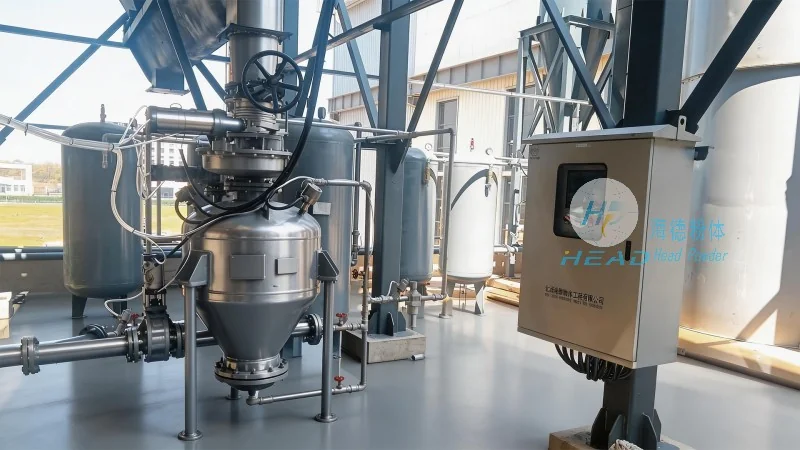
Key Features and Advantages of the System
Several notable features distinguish a high-quality pneumatic conveying system for fertilizer granules. One of the most significant advantages is its ability to handle abrasive materials without causing excessive wear on components. This is achieved through the use of robust materials like stainless steel or special coatings on the pipeline and equipment. Additionally, the system offers excellent dust control, which is critical for maintaining a safe and clean working environment, especially in facilities where dust can be a health hazard or cause equipment damage.
Another key feature is the system's flexibility in terms of layout and distance. Pneumatic conveying can transport materials over long distances and through complex routes, making it suitable for large-scale fertilizer plants with multiple processing units. The system also allows for easy integration with other equipment, such as mixers, grinders, or packaging machines, enabling a seamless flow of operations from raw material input to final product output.
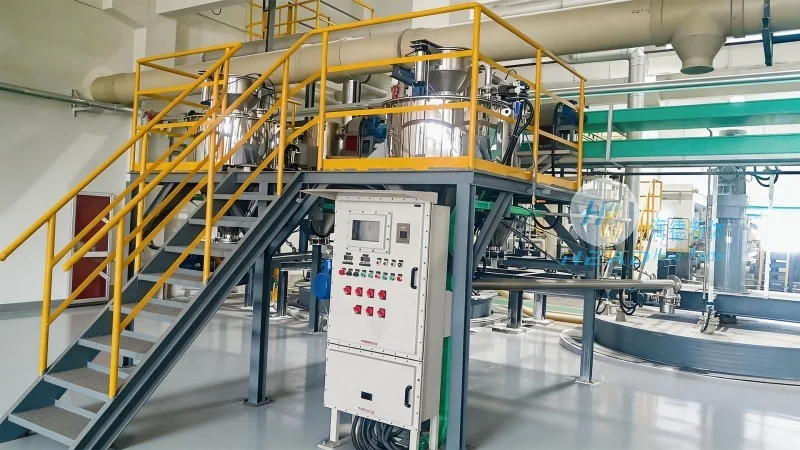
Operational Efficiency and Maintenance Considerations
Efficiency is a primary concern for any industrial system, and the fertilizer granules pneumatic conveying system excels in this area. By eliminating the need for multiple mechanical components, the system reduces energy consumption and maintenance requirements. The use of a single pipeline for material transport minimizes the number of moving parts, which in turn reduces the risk of breakdowns and the associated downtime. Furthermore, the system's design allows for easy cleaning and maintenance, with components that can be accessed and serviced without disrupting the entire operation.
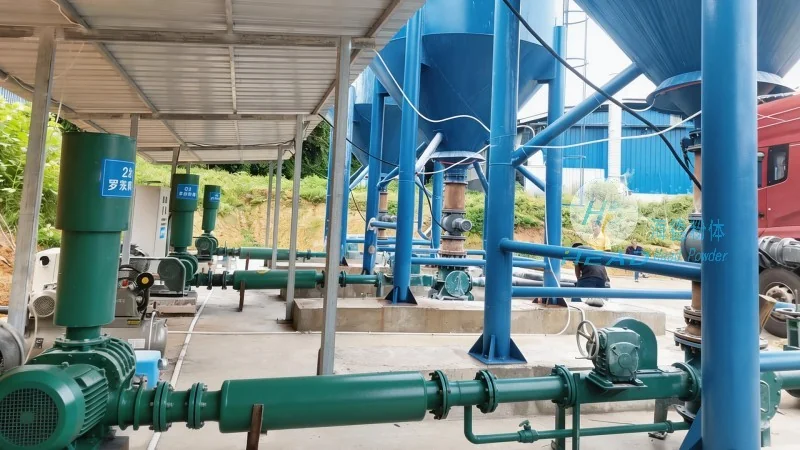
When considering the maintenance of a pneumatic conveying system, it is important to note that regular checks of the blower, filters, and pipeline for blockages are essential. However, compared to traditional systems, the overall maintenance burden is lower due to the reduced number of mechanical parts. This translates to lower operational costs and higher uptime, which are critical factors for any industrial facility.
Conclusion
In summary, a pneumatic conveying system for fertilizer granules is a highly effective solution for material transport in the fertilizer industry. Its working principle, based on pressurized air, provides a flexible, efficient, and reliable method of moving granules. The key features, including durability, dust control, and layout flexibility, make it an ideal choice for modern fertilizer plants. By understanding these aspects, businesses can make informed decisions about implementing such a system, ultimately enhancing their operational efficiency and productivity.