

Working Principle and Characteristics of Hydrogen Sulfide Material Pneumatic Conveying
Hydrogen sulfide (H₂S) is a highly toxic and corrosive gas, making its handling and transportation a critical challenge in industrial applications. Pneumatic conveying systems offer a safe and efficient method for transporting H₂S-containing materials, and understanding their working principles and characteristics is essential for optimizing industrial processes. This article explores the working principle and key characteristics of hydrogen sulfide material pneumatic conveying systems, with a focus on the expertise of Shandong HeadPowder Engineering Co., Ltd., a leading provider in the field.
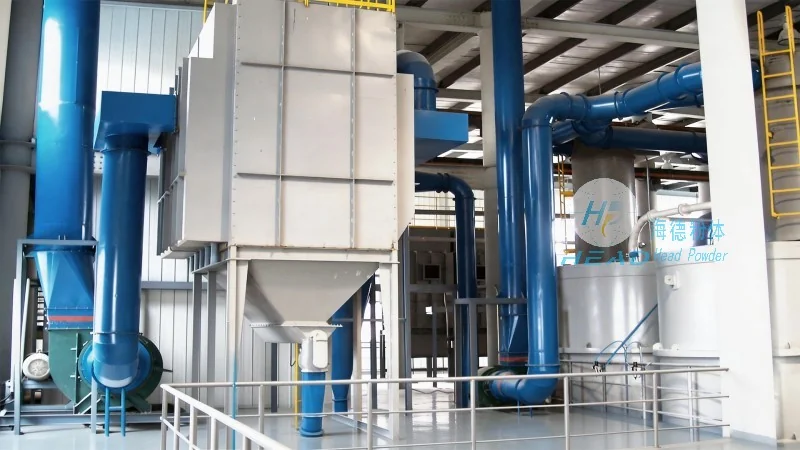
Company Background and Expertise
Shandong HeadPowder Engineering Co., Ltd., commonly known as headpowder, is a professional manufacturer and supplier specializing in pneumatic conveying equipment. Based in Shandong, China, the company has extensive experience in designing and implementing systems for handling hazardous materials, including those containing hydrogen sulfide. With a strong commitment to safety and efficiency, headpowder provides customized solutions tailored to the unique requirements of industrial clients.
Working Principle of Hydrogen Sulfide Material Pneumatic Conveying
The core working principle of pneumatic conveying for hydrogen sulfide materials involves using compressed air or gas to transport the material through a pipeline. There are two primary types of pneumatic conveying systems: suction (or negative pressure) and pressure (or positive pressure) systems. In suction systems, a vacuum is created at the material inlet to draw the material and air mixture into the pipeline. For hydrogen sulfide, which is heavier than air and can be hazardous if released, suction systems are often preferred to minimize the risk of gas leakage. The material is then carried by the airflow through the pipeline to the discharge point, where the air is separated from the material using cyclones, filters, or other separation equipment.
Pressure systems, on the other hand, use compressed air to push the material through the pipeline. These systems are typically used for longer distances or when the material needs to be transported to a higher elevation. For hydrogen sulfide applications, pressure systems must incorporate robust sealing and safety features to prevent gas escape and ensure compliance with environmental and safety regulations. The compressed air is introduced at the material inlet, creating a high-pressure environment that propels the material forward.
Key Characteristics of Hydrogen Sulfide Material Pneumatic Conveying Systems
Several key characteristics define the effectiveness and safety of hydrogen sulfide material pneumatic conveying systems. Firstly, **safety and containment** are paramount due to the toxic and corrosive nature of H₂S. The systems are designed with sealed pipelines, explosion-proof components, and gas detection systems to prevent leaks and ensure operator safety. Secondly, **efficiency and reliability** are critical for maintaining production continuity. Pneumatic conveying systems can transport materials at high speeds with minimal downtime, reducing the risk of material buildup and blockages. Thirdly, **flexibility** allows for the integration of multiple material sources or destinations, adapting to changing production needs. The systems can handle a wide range of particle sizes and moisture contents, making them suitable for various industrial applications.
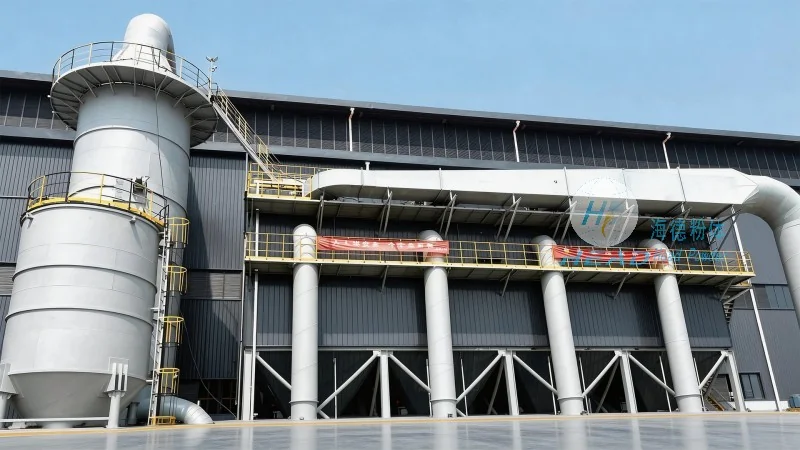
Another important characteristic is **environmental compliance**. Modern pneumatic conveying systems for H₂S materials are equipped with advanced filtration and gas treatment technologies to minimize emissions and meet environmental regulations. This includes the use of activated carbon filters or scrubbers to remove residual H₂S from the exhaust air, ensuring that the system operates within legal limits and protects the surrounding environment.
Advantages of Pneumatic Conveying for Hydrogen Sulfide Materials
Pneumatic conveying offers several advantages over traditional methods such as belt conveyors or bucket elevators, especially for hazardous materials like hydrogen sulfide. These advantages include:
1. **Enhanced Safety**: The enclosed system prevents direct contact with the material and minimizes the risk of gas exposure, reducing the likelihood of accidents and health hazards.
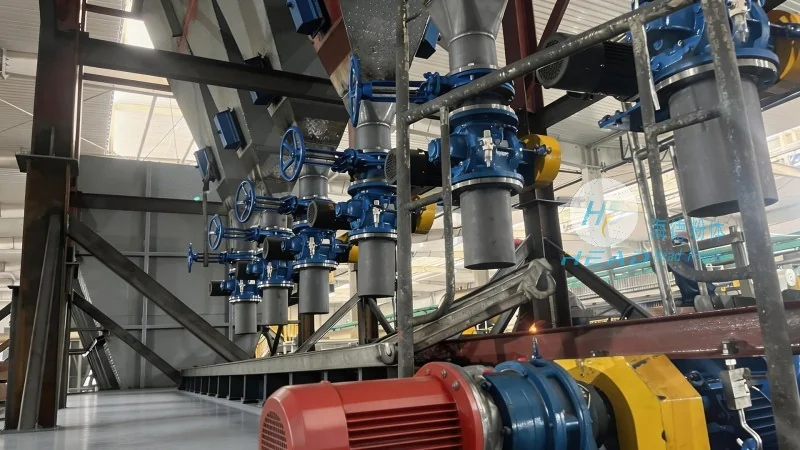
2. **Reduced Maintenance**: Pneumatic systems have fewer moving parts compared to mechanical conveyors, leading to lower maintenance costs and longer equipment lifespan.
3. **Space Efficiency**: The compact design of pneumatic conveying systems allows for installation in confined spaces, making them suitable for facilities with limited room for large equipment.
4. **Versatility**: The ability to transport materials over long distances or at varying elevations makes pneumatic systems adaptable to diverse industrial settings.
Conclusion
Hydrogen sulfide material pneumatic conveying systems are a critical technology for safely and efficiently handling this hazardous gas in industrial applications. By understanding the working principles and key characteristics of these systems, industries can optimize their operations while ensuring compliance with safety and environmental standards. Shandong HeadPowder Engineering Co., Ltd. continues to lead in the development of advanced pneumatic conveying solutions, providing reliable and customized systems for clients worldwide.