

Working Principle and Characteristics of Pneumatic Conveying for Magnesium Oxide Materials
Pneumatic conveying, also known as air conveying, is a method used to transport bulk materials like magnesium oxide through a pipeline system using compressed air or other gas streams. The core working principle involves creating a pressure differential between the conveying line and the ambient environment. When air is introduced into the pipeline at a high velocity, it generates a negative pressure zone that draws the magnesium oxide particles into the line. The material is then carried along the pipeline by the moving air stream, which can be either in a dilute phase (where particles are suspended individually) or a dense phase (where particles are more closely packed). The process typically includes a feeding section, a conveying section, and a discharge section. In the feeding section, the magnesium oxide is introduced into the pipeline, often with a feeder or a rotary valve to control the flow rate. The conveying section uses the air flow to transport the material, and the discharge section collects the material at the destination. The entire system is designed to ensure efficient and reliable transport of the material, minimizing dust generation and ensuring consistent flow rates. This technology, developed and implemented by Shandong HeadPowder Engineering Co., Ltd., has become a standard solution for handling fine and dusty materials in industrial settings.
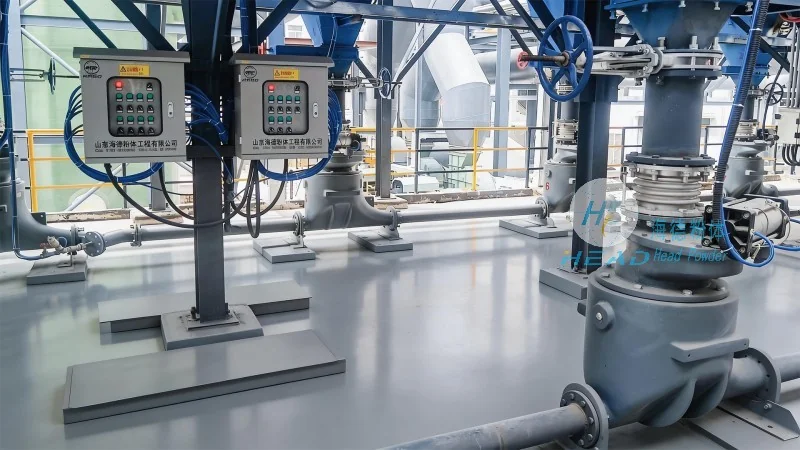
Key Characteristics of Pneumatic Conveying for Magnesium Oxide Materials
When applied to magnesium oxide, pneumatic conveying systems exhibit several distinct characteristics that make them suitable for handling this material. First, the system is highly effective in controlling dust, which is a critical consideration for magnesium oxide due to its fine particle size and potential health hazards. The enclosed pipeline system prevents dust from escaping into the environment, reducing the risk of inhalation and contamination. Second, the conveying process is relatively fast and efficient, allowing for high throughput rates, which is essential for industrial applications where large volumes of magnesium oxide need to be moved. The system can handle varying particle sizes and moisture content, making it versatile for different production stages. Third, the equipment is compact and can be integrated into existing production lines, reducing the need for extensive infrastructure changes. Additionally, the system offers good control over the material flow, enabling precise regulation of the conveying rate to match production demands. Another advantage is the ability to transport the material over long distances without the need for intermediate storage or handling, which improves overall operational efficiency.
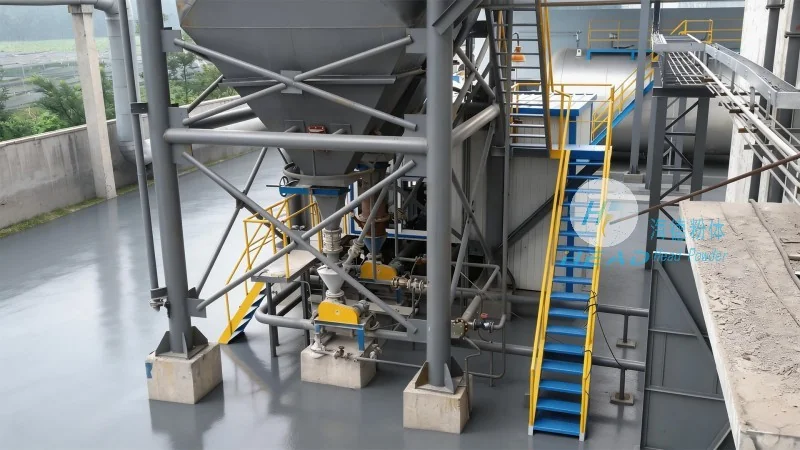
Application-Specific Considerations for Magnesium Oxide Pneumatic Conveying
For magnesium oxide, specific considerations are crucial to ensure optimal performance of the pneumatic conveying system. The particle size distribution of magnesium oxide is a key factor, as finer particles require higher air velocities to maintain suspension and prevent clogging. The system must be designed to handle these fine particles without causing excessive pressure drops or blockages. Moisture content is another important factor, as moisture can affect the flow characteristics and potentially lead to clumping or agglomeration of the particles. The conveying system may include drying or conditioning steps to manage moisture levels before transport. Additionally, the material's reactivity and potential for chemical interactions with the conveying system components must be considered. Materials like magnesium oxide can be sensitive to certain materials of construction, so selecting appropriate pipeline and component materials (such as stainless steel or specialized coatings) is essential to prevent corrosion or degradation. The system's design also needs to account for the material's density and flow properties, as these affect the required air pressure and flow rates for effective transport. Proper maintenance and cleaning procedures are also critical to prevent material buildup and ensure long-term system reliability.
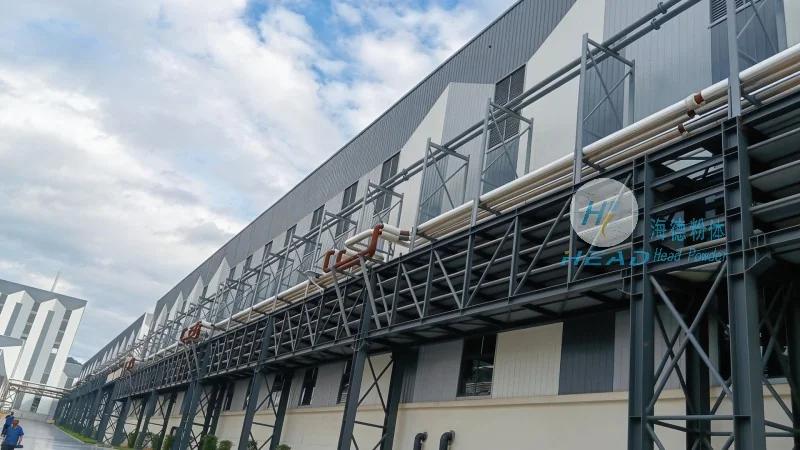
Advantages of Using Pneumatic Conveying for Magnesium Oxide Handling
Implementing pneumatic conveying for magnesium oxide offers several significant advantages over traditional handling methods. One of the primary benefits is the reduction in labor costs and manual handling, as the system automates the transport process, minimizing the need for manual loading and unloading. This not only improves safety by reducing exposure to dust and heavy lifting but also increases operational efficiency by freeing up personnel for other tasks. The enclosed system also enhances safety by containing the material and preventing dust from spreading, which is particularly important in industrial settings where worker health and environmental compliance are priorities. Another advantage is the ability to integrate the conveying system with other production equipment, such as mixers, reactors, or packaging lines, creating a seamless material flow from raw material to finished product. This integration reduces bottlenecks and improves overall production throughput. The system's flexibility also allows for easy adjustment of conveying rates and distances, making it adaptable to changing production requirements. Furthermore, the use of pneumatic conveying can extend the lifespan of equipment by reducing wear and tear compared to mechanical conveying systems, which often involve moving parts that can experience friction and abrasion from the material. The energy efficiency of the system, particularly when using optimized air flow and pressure, can also lead to cost savings over time, making it a sustainable choice for long-term material handling.