

The Working Principle and Features of Baking Soda Material Handling
HeadPowder, a leading manufacturer based in Shandong, China, specializes in providing efficient material handling solutions for baking soda. This article delves into the working principle and key features of baking soda material handling systems, offering insights into how these systems operate and their advantages in industrial applications.
Company Overview
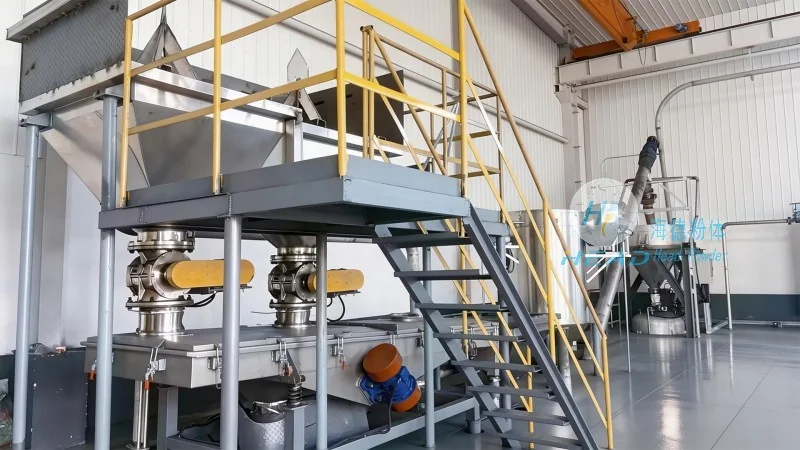
HeadPowder Engineering Co., Ltd. is a professional enterprise dedicated to the research, development, and production of material handling equipment. With a strong presence in Shandong, China, the company leverages advanced technology and expertise to deliver high-quality solutions tailored to the needs of various industries. The company's commitment to quality and innovation ensures that its products meet the rigorous standards required in modern industrial operations.
Understanding Baking Soda Material Handling
Baking soda, also known as sodium bicarbonate, is a widely used chemical in numerous industrial and commercial applications. Efficient material handling of baking soda is crucial for maintaining production efficiency and ensuring product quality. The material handling process involves the transportation, storage, and distribution of baking soda from its production site to end-users or further processing facilities.
The Working Principle of Baking Soda Material Handling
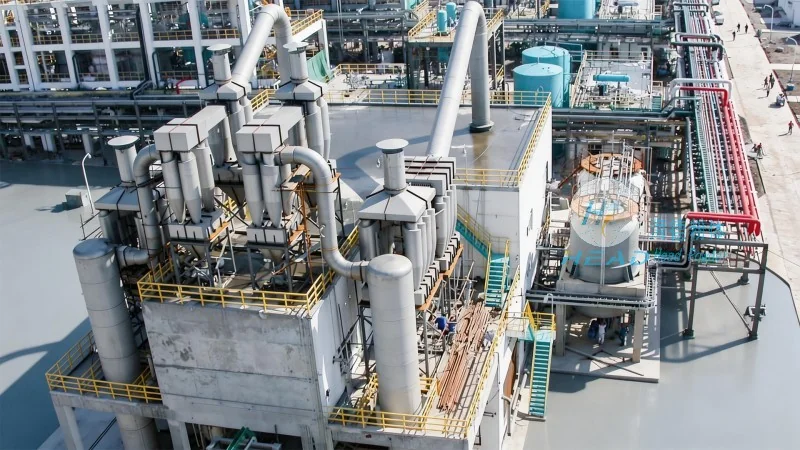
The working principle of baking soda material handling systems typically involves several key components and processes. These systems are designed to handle the unique properties of baking soda, such as its light weight, fine particle size, and potential for dust generation. The primary goal is to ensure safe and efficient movement of the material while minimizing the risk of contamination or loss.
At the core of the system is the material handling equipment, which may include conveyors, elevators, and storage silos. Conveyors, such as belt conveyors or screw conveyors, are commonly used to transport baking soda from one location to another. These conveyors are equipped with specialized materials to prevent material buildup and ensure smooth operation. Elevators, particularly bucket elevators or chain conveyors, are used to lift baking soda vertically, allowing it to be moved between different levels of a facility.
Storage silos play a critical role in the material handling process. They are designed to store large quantities of baking soda and maintain its quality by controlling moisture and preventing caking. The silos are equipped with agitators or vibrators to keep the material in a free-flowing state, ensuring that it can be discharged smoothly when needed. The discharge system, which may include outlet valves or rotary airlocks, regulates the flow of baking soda from the silo to the next stage of the process.
Key Features of Baking Soda Material Handling Systems
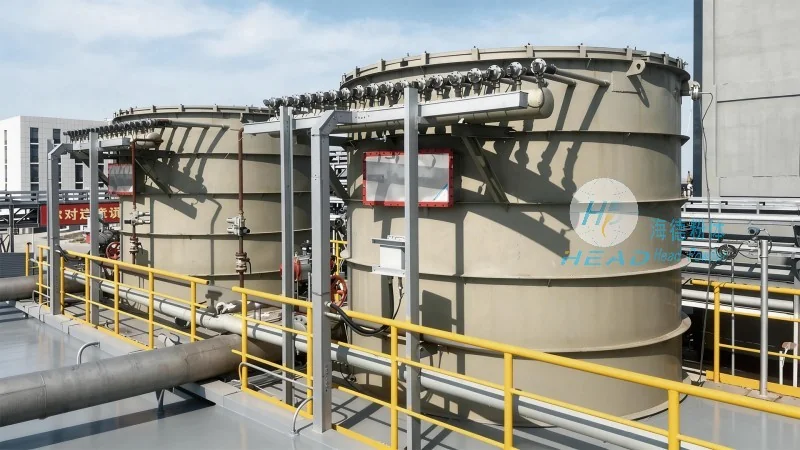
Baking soda material handling systems are characterized by several important features that enhance their performance and reliability. These features are tailored to address the specific challenges associated with handling baking soda, such as its fine particle size and potential for dust generation.
Firstly, the systems are designed with dust control measures to minimize the risk of inhalation or environmental contamination. This includes the use of enclosed conveyor systems, dust collection systems, and proper ventilation. The equipment is constructed from materials that are resistant to corrosion and chemical exposure, ensuring long-term durability and safety.
Secondly, the systems are equipped with advanced control technologies to optimize operation and reduce downtime. This may include automated control systems that monitor the flow rate, pressure, and temperature of the material. Sensors and feedback mechanisms are used to detect any abnormalities and trigger corrective actions, ensuring continuous and reliable operation.
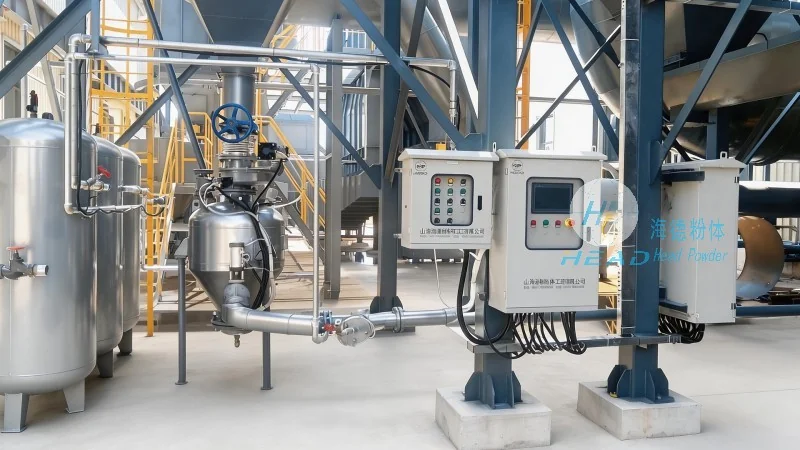
Thirdly, the systems are designed for easy maintenance and cleaning. The components are accessible and can be easily disassembled for inspection and cleaning. This helps to prevent material buildup and maintain the efficiency of the system over time. The use of stainless steel or other corrosion-resistant materials further simplifies maintenance by reducing the need for frequent repairs.
Finally, the systems are scalable and adaptable to different production requirements. They can be customized to handle varying quantities of baking soda and can be integrated with other processing equipment. This flexibility allows the systems to be tailored to the specific needs of each customer, ensuring optimal performance and cost-effectiveness.