

Working Principle and Features of Light Calcium Powder Conveyors
Light calcium powder conveyors are critical equipment in the powder handling sector, specifically designed for the efficient transport of light calcium carbonate powders. Understanding their operational principles and key characteristics is essential for selecting appropriate equipment tailored to industrial needs. This article offers a comprehensive overview of how light calcium powder conveyors function and the attributes that enhance their performance in powder transport applications.
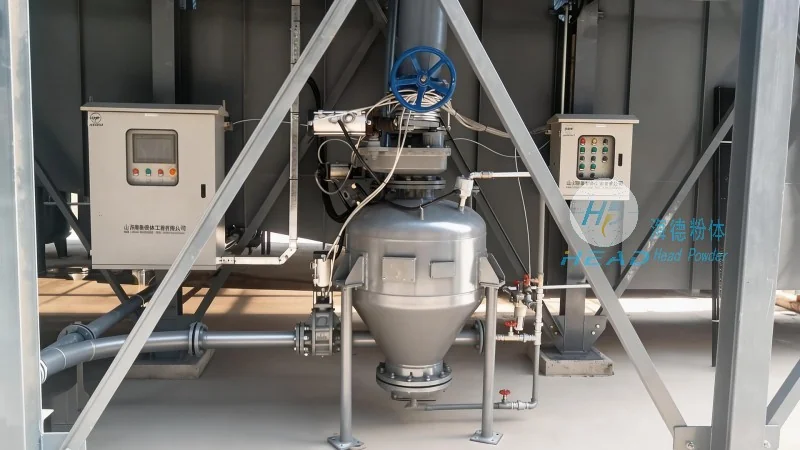
Working Principle of Light Calcium Powder Conveyors
Light calcium powder conveyors typically operate based on pneumatic or mechanical transport mechanisms, with pneumatic systems being the most common for handling fine, light powders. The working principle involves several core components and processes:
First, the light calcium powder is introduced into the hopper or inlet of the conveyor system. From there, it is transferred to the conveying line through a combination of pressure and vacuum. The system utilizes a positive displacement blower or vacuum pump to generate the necessary air flow, which carries the powder particles along the pipeline. This design ensures consistent air pressure and flow rates, preventing powder segregation or blockages that are typical in powder handling. The pneumatic mechanism is particularly effective for light calcium powders due to its ability to handle low bulk density and fine particles without causing degradation.
Alternative mechanical conveyors, such as screw or belt types, may also be employed. However, for light calcium powders, mechanical systems often require additional considerations to mitigate issues like particle agglomeration or excessive wear. The mechanical design typically involves a rotating screw or moving belt that transports the powder through a closed system, ensuring minimal dust emission and efficient material transfer. Nonetheless, pneumatic conveyors remain the preferred choice for most light calcium powder applications due to their superior handling of fine, light particles.
Key Features of Light Calcium Powder Conveyors
Light calcium powder conveyors are distinguished by several features that enhance their functionality and suitability for specific industrial environments. These features include:
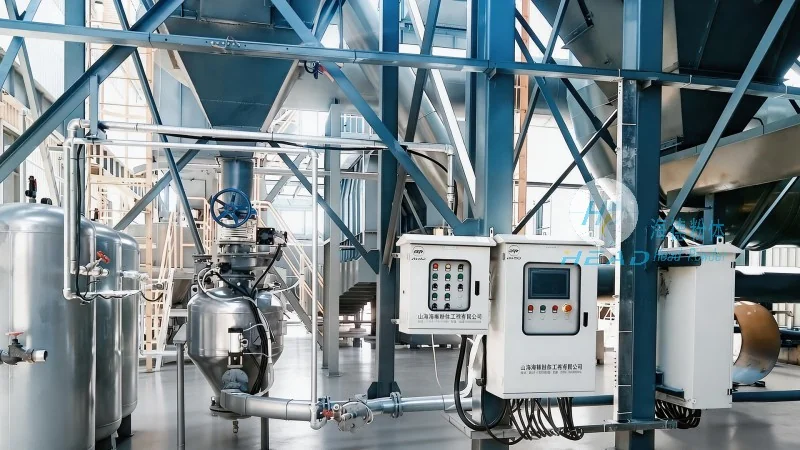
1. Efficient Powder Handling: The equipment is engineered to handle light calcium carbonate powders, which are characterized by low bulk density and fine particle sizes. The conveyor's design minimizes powder degradation and maintains consistent flow rates, even with varying particle dimensions. This ensures product integrity throughout the transport process.
2. Low Energy Consumption: Modern light calcium powder conveyors are optimized for energy efficiency. The use of efficient blower systems and streamlined pipeline designs reduces power usage while maintaining high transport efficiency. This makes the equipment cost-effective for long-term operation in industrial settings.
3. Low Maintenance Requirements: The construction incorporates durable materials and simple mechanical components, reducing the need for frequent maintenance. The absence of complex moving parts in some pneumatic systems minimizes wear and tear, leading to lower maintenance costs and extended equipment lifespan.
4. Reduced Dust Emission: Many light calcium powder conveyors feature sealed systems and filtration mechanisms to minimize airborne dust. This is crucial in industrial environments where dust can pose health and safety risks. The sealed design also prevents cross-contamination and maintains product purity.
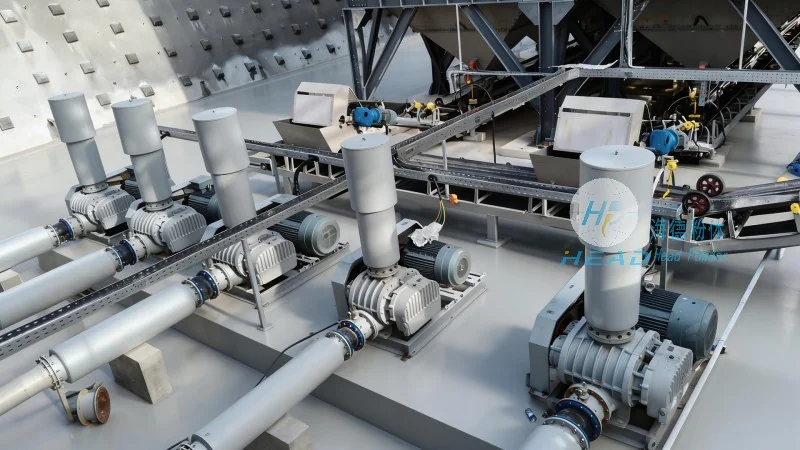
5. Flexible Installation: Light calcium powder conveyors can be installed in various configurations, including horizontal, vertical, or inclined setups. This flexibility allows seamless integration into existing production lines or new facility designs without significant modifications. The modular design enables easy expansion or reconfiguration as production needs evolve.
Application-Specific Considerations
When selecting a light calcium powder conveyor, several factors must be evaluated to ensure optimal performance. The choice of conveyor type depends on the specific characteristics of the light calcium powder, such as particle size, moisture content, and bulk density. For example, fine powders may require higher air pressure or a gentler conveying method to prevent agglomeration. Additionally, the distance and elevation changes between the source and destination points influence the selection of the conveyor system. Vertical conveyors are often used for vertical transport, while horizontal conveyors are suitable for horizontal or slight incline applications.
Another critical consideration is the environmental conditions of the operation. Light calcium powder conveyors must be designed to handle the specific temperature and humidity levels in the facility. Some models may include heating or cooling elements to maintain optimal powder conditions, especially for powders sensitive to temperature changes.
Conclusion
Light calcium powder conveyors are vital equipment for the efficient and safe transport of light calcium carbonate powders in industrial applications. Their working principle, which may involve pneumatic or mechanical transport, ensures reliable material handling with minimal degradation. The key features, including efficient powder handling, low energy consumption, low maintenance, reduced dust emission, and flexible installation, make these conveyors a preferred choice for many industries. By understanding the working principle and features of light calcium powder conveyors, businesses can select the appropriate equipment to meet their specific production needs and maintain operational efficiency. Manufactured by Shandong HeadPowder Engineering Co., Ltd. (headpowder), a leading provider of powder handling solutions based in Shandong, China, these conveyors represent advanced technology tailored to modern industrial requirements.