

Working Principle and Features of the Arsenic Trioxide Powder Conveying Line
For industrial applications involving the handling of arsenic trioxide (As₂O₃) powder, the design and operation of a specialized conveying line are critical to ensure safety, efficiency, and compliance with regulatory standards. This article provides an in-depth look at the working principle and key features of the arsenic trioxide powder conveying line, highlighting its role in modern material processing.
Working Principle of the Arsenic Trioxide Powder Conveying Line
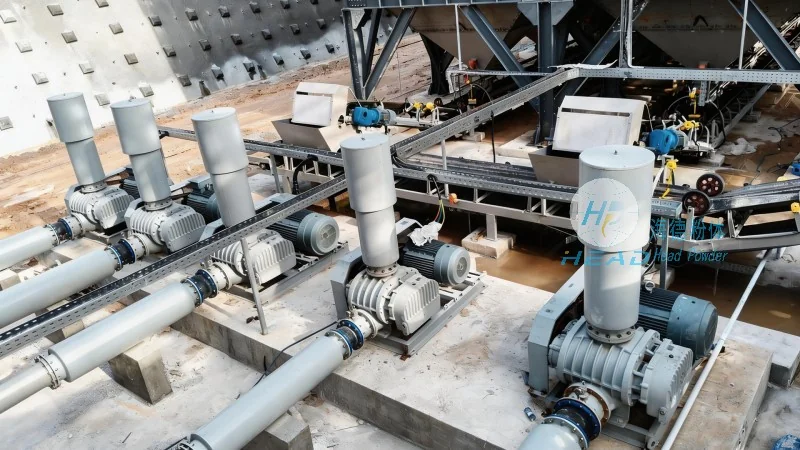
The arsenic trioxide powder conveying line operates by integrating multiple components to achieve a controlled and safe transport of the fine powder. The process begins with the storage of arsenic trioxide in a silo, where the material is kept under controlled conditions to prevent moisture absorption or degradation. From the silo, the powder is transferred to a hopper equipped with a level sensor and a discharge valve. The feeder, typically a rotary airlock valve or a screw feeder, regulates the flow rate of the powder into the conveyor system. This controlled feeding is essential to maintain a consistent flow and prevent overloading the downstream equipment.
For pneumatic conveying, the system uses compressed air to create a flow that propels the powder through a pipeline. The air pressure is carefully managed to ensure the powder is carried without causing excessive pressure drops or particle breakage. The pipeline is often designed with bends and straight sections to minimize friction and maintain the flow velocity. At the receiving end, the powder is deposited into a receiver or a processing unit, and the air is filtered and returned to the system or released safely. Mechanical conveyors, such as belt or screw conveyors, use mechanical force to move the powder. These systems are suitable for shorter distances and lower flow rates, and they may include features like vibration or air knives to prevent material buildup.
The system also incorporates a dust collection and filtration unit to capture any airborne particles. This unit typically consists of a cyclone separator and a bag filter, which work together to remove dust from the air stream. The collected dust is then returned to the hopper or disposed of according to regulatory requirements. The entire process is monitored by a control system that tracks parameters such as flow rate, pressure, and temperature, ensuring that the system operates within safe and efficient limits.

Key Features of the Arsenic Trioxide Powder Conveying Line
The arsenic trioxide powder conveying line is distinguished by several key features that address the unique challenges of handling this hazardous material. One of the most significant features is its ability to handle fine, cohesive powders without causing segregation or agglomeration. The line incorporates anti-caking mechanisms, such as vibration or air agitation, which prevent the powder from sticking to the walls of the hopper or conveyor. This ensures a consistent flow rate and reduces the risk of blockages. Additionally, the system is equipped with explosion-proof components, including motors, valves, and electrical controls, to mitigate the risk of ignition in the presence of dust or powder.
Another critical feature is the closed-loop design with integrated dust suppression and filtration. This design minimizes the risk of dust exposure to personnel and prevents environmental contamination, which is essential for compliance with occupational health and environmental regulations. The conveying line also includes real-time monitoring and control systems, such as flow meters, pressure sensors, and level indicators, which provide operators with immediate feedback on the system's performance. These systems enable automated adjustments to maintain optimal operation, reducing downtime and improving overall efficiency.
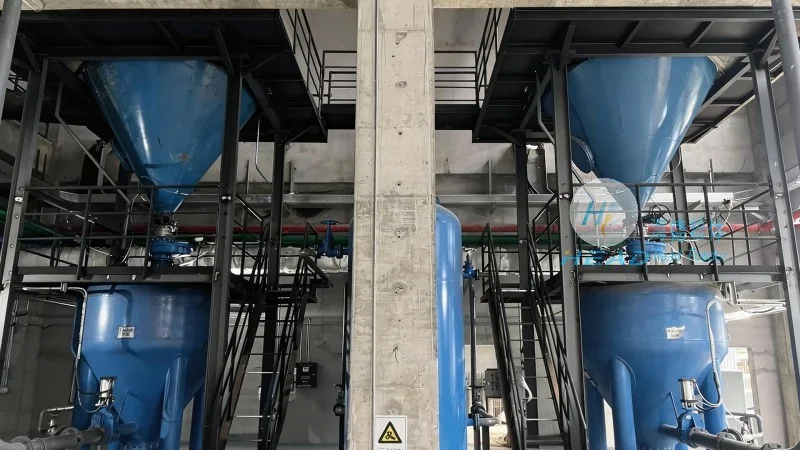
The line is also designed for easy maintenance and cleaning. The components are constructed from materials that are resistant to corrosion and chemical attack, ensuring long-term durability. The system includes access points for routine inspections and cleaning, which helps to maintain performance and extend the equipment's lifespan. These features contribute to a reliable and cost-effective solution for industrial applications requiring the safe handling of arsenic trioxide powder.
About Shandong HeadPowder Engineering Co., Ltd.
Shandong HeadPowder Engineering Co., Ltd., commonly known as headpowder, is a reputable manufacturer specializing in the design and production of advanced powder handling equipment. The company has established itself as a leader in the industry, providing customized solutions for a wide range of applications, including the safe and efficient processing of hazardous materials like arsenic trioxide. HeadPowder's commitment to innovation and quality has enabled it to develop cutting-edge technologies that meet the evolving needs of modern industry.
HeadPowder's team of experienced engineers and technicians work closely with clients to understand their specific requirements and design solutions that optimize performance and safety. The company's facilities are located in Shandong, China, where it operates state-of-the-art manufacturing and testing facilities. These facilities are equipped with advanced equipment and tools to ensure that each product meets the highest standards of quality and reliability. HeadPowder adheres to international quality management systems, such as ISO 9001, to maintain consistent product performance and customer satisfaction.