

Working Principle and Features of Coal Ash Powder Conveying Lines
Coal ash, a byproduct of coal combustion in thermal power plants, requires efficient and reliable handling systems to ensure safe and effective transportation. The coal ash powder conveying line, developed by Shandong HeadPowder Engineering Co., Ltd., is a specialized solution designed to meet the demanding requirements of modern industrial applications. This article explores the working principle and key features of such a system, highlighting its importance in optimizing material handling processes.
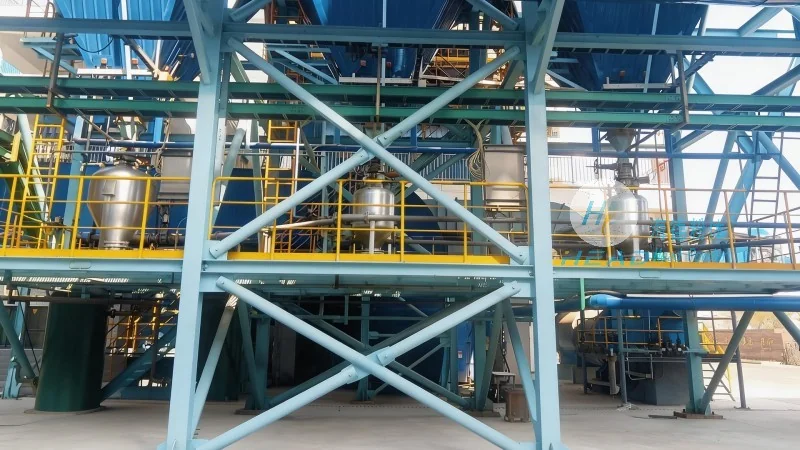
Working Principle of Coal Ash Powder Conveying Lines
The core of a coal ash powder conveying line is its ability to transport fine powders over long distances with minimal loss and contamination. The system typically operates on the principle of pneumatic or mechanical conveying, depending on the specific characteristics of the coal ash and the operational environment. In pneumatic conveying systems, compressed air is used to create a flow that propels the powder through a network of pipes. This method is particularly effective for handling dry, non-abrasive powders like coal ash, as it minimizes material degradation and ensures a clean, dust-free transfer.
Mechanical conveying systems, on the other hand, rely on positive displacement or screw conveyors to move the material. These systems are often preferred for applications involving higher moisture content or more abrasive materials, as they provide greater control over the conveying speed and pressure. The choice between pneumatic and mechanical conveying depends on factors such as the particle size distribution, moisture content, and the distance over which the material needs to be transported. For coal ash, which often has a fine particle size and low moisture content, pneumatic conveying is commonly employed due to its efficiency and ability to handle large volumes.
Key Features of Coal Ash Powder Conveying Lines
Shandong HeadPowder Engineering Co., Ltd. has integrated several advanced features into their coal ash powder conveying lines to enhance performance and reliability. One of the primary features is the use of high-quality, corrosion-resistant materials for the conveying pipes and components. This is crucial because coal ash can be corrosive, especially when it contains sulfur compounds, and the system must withstand prolonged exposure to these conditions without degradation. The company utilizes materials such as stainless steel and special alloys that are known for their durability and resistance to chemical attack.
Another significant feature is the incorporation of advanced control systems that allow for real-time monitoring and adjustment of the conveying process. These systems use sensors to track the flow rate, pressure, and temperature of the material, ensuring that the operation remains within optimal parameters. The control panels are equipped with user-friendly interfaces that enable operators to adjust settings quickly and respond to any changes in the material characteristics or system performance. This level of automation not only improves efficiency but also reduces the risk of human error, leading to more consistent and reliable operation.
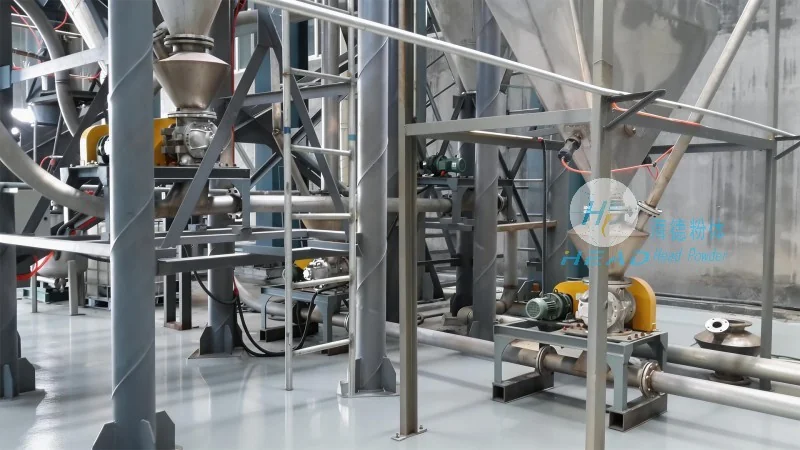
The conveying lines are also designed with flexibility in mind, allowing for easy integration into existing industrial setups. The modular design enables components to be added or removed as needed, making it possible to expand the system's capacity or adapt it to different production requirements. This adaptability is particularly valuable in power plants, where the volume of coal ash generated can vary significantly over time. The system can be scaled up or down to match the plant's output, ensuring that it remains a cost-effective solution even as production levels change.
Furthermore, the system incorporates robust filtration and dust collection mechanisms to maintain a clean and safe working environment. Coal ash is a fine powder that can easily become airborne, posing health risks to workers and contributing to environmental pollution. The conveying lines are equipped with high-efficiency filters that capture the majority of the particles, preventing them from escaping into the atmosphere. This not only protects the health of the personnel but also helps the plant comply with environmental regulations, reducing the risk of fines or operational disruptions.
Benefits of Using Coal Ash Powder Conveying Lines
The implementation of a coal ash powder conveying line offers numerous benefits for industrial facilities. The most obvious advantage is the improvement in operational efficiency. By automating the material handling process, the system reduces the need for manual labor, which not only saves costs but also minimizes the risk of accidents associated with manual handling of powders. The consistent and reliable operation of the system ensures that the coal ash is transported to its destination without delays or interruptions, which is critical for maintaining the smooth operation of the power plant.
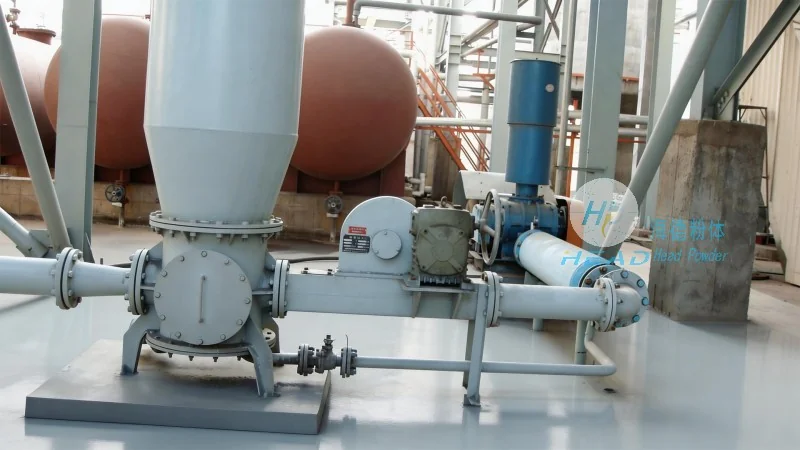
Another key benefit is the reduction in material loss and contamination. Traditional methods of handling coal ash, such as bucket elevators or manual shoveling, often result in significant material loss due to spillage and dust. The conveying line, with its enclosed system and efficient flow control, minimizes these losses, ensuring that the maximum amount of coal ash is utilized. This not only improves the plant's overall efficiency but also contributes to better resource management, as less material is wasted.
The system also enhances safety in the workplace. By eliminating the need for manual handling of powders, it reduces the risk of respiratory diseases and other health issues associated with exposure to fine particles. The enclosed design of the conveying lines prevents dust from spreading into the surrounding environment, creating a safer working area for employees. Additionally, the advanced control systems provide real-time monitoring, allowing for immediate detection of any issues that could lead to accidents or equipment failure. This proactive approach to safety helps to maintain a secure working environment and reduces the likelihood of workplace incidents.
From an environmental perspective, the use of a coal ash powder conveying line contributes to better pollution control. The system's filtration and dust collection mechanisms help to minimize the release of particulate matter into the atmosphere, reducing the plant's environmental footprint. This is particularly important as regulatory bodies increasingly enforce stricter emission standards. By using an efficient conveying system, the plant can comply with these regulations more easily, avoiding penalties and maintaining its operational license.
Conclusion
The coal ash powder conveying line developed by Shandong HeadPowder Engineering Co., Ltd. represents a significant advancement in the handling of coal ash, combining efficiency, reliability, and safety. By understanding the working principle and key features of such a system, industrial facilities can make informed decisions about implementing similar solutions to improve their material handling processes. The benefits of using these systems, including improved efficiency, reduced material loss, enhanced safety, and better environmental performance, make them a valuable investment for any power plant or industrial facility dealing with coal ash. As the demand for sustainable and efficient industrial solutions continues to grow, the coal ash powder conveying line stands out as a practical and effective solution that meets the needs of modern industry.