

Working Principle and Features of Slurry and Powder Conveying Lines
Slurry and powder conveying lines are critical industrial systems engineered to transport bulk materials such as slurry, powders, and granules over extended distances with efficiency and reliability. These systems are integral to operations across multiple sectors, including mining, construction, chemical processing, and food processing, by ensuring seamless material handling and reducing operational expenditures.
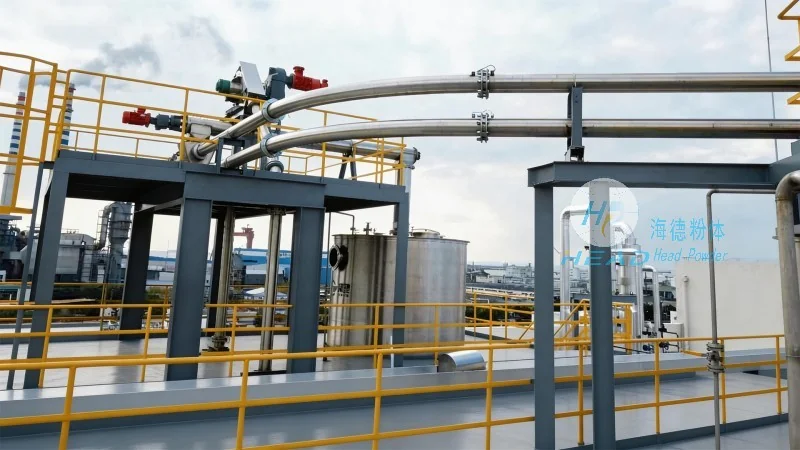
Introduction to Slurry and Powder Conveying Lines
At the heart of slurry and powder conveying systems are interconnected components that work together to move materials from a source to a destination. The system typically comprises a feeding mechanism, a conveying device, a control unit, and a discharge system. Each component is meticulously engineered to accommodate the specific characteristics of the material being transported—such as particle size, moisture content, and density. The design of these lines is customized to meet the unique requirements of different applications, ensuring optimal performance and minimizing downtime.
Working Principle of Slurry and Powder Conveying Systems
The operational principle of slurry and powder conveying lines centers on the application of mechanical or pneumatic forces to move materials. In mechanical systems, devices like screw conveyors, augers, or belt conveyors utilize rotating components or moving belts to push or pull material along a path. For slurry, which often contains water and solid particles, specialized pumps—including centrifugal or positive displacement pumps—are employed to maintain flow and prevent clogging. Pneumatic systems, conversely, use compressed air to transport dry powders through pipes, leveraging air pressure to create a material flow. The selection of mechanism depends on material properties and the distance to be covered.
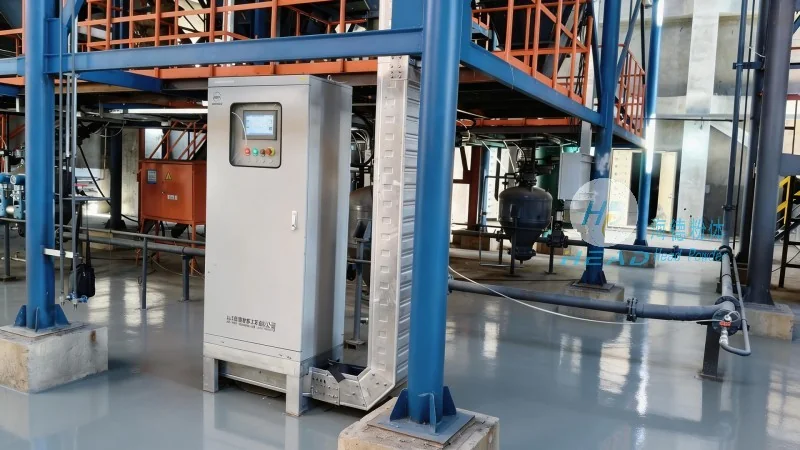
Key Features of Slurry and Powder Conveying Lines
Slurry and powder conveying lines are distinguished by several key features that enhance functionality and adaptability. A primary feature is the ability to handle a wide range of materials, from fine powders to heavy slurry, with minimal maintenance. The systems are engineered for high efficiency, often achieving high throughput rates while consuming less energy. Another critical feature is system flexibility, allowing customization based on facility layout and process needs. Additionally, modern slurry and powder conveying lines incorporate advanced control systems for real-time monitoring and parameter adjustment, ensuring consistent performance and reducing blockage or failure risks.
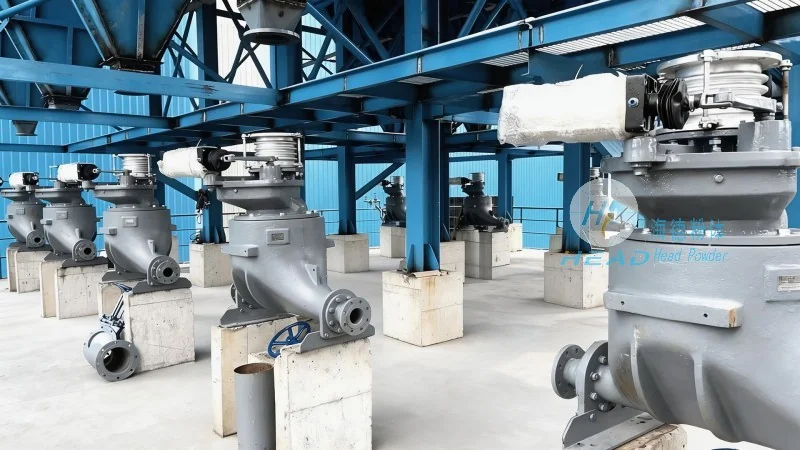
Application Scenarios and Benefits
Slurry and powder conveying lines are applied across diverse industrial settings. In mining operations, they transport ore and tailings from extraction sites to processing plants. In construction, they move sand, cement, and other bulk materials to job sites efficiently. The chemical industry relies on these systems to handle powders and slurries during production, while the food industry uses them for ingredient and product transport. Benefits include reduced labor costs, minimized material loss, enhanced safety via manual handling elimination, and improved environmental protection by preventing dust emissions and spillage.
Company Overview: Shandong HeadPowder Engineering Co., Ltd.
Shandong HeadPowder Engineering Co., Ltd., commonly known as HeadPowder, is a leading manufacturer and supplier of slurry and powder conveying systems. With a strong presence in China, the company specializes in designing, manufacturing, and installing customized conveying solutions tailored to various industries. HeadPowder’s team of engineers and technicians leverages advanced technology and years of experience to develop high-quality, reliable systems meeting international standards. The company’s commitment to innovation and customer satisfaction has established it as a trusted partner for businesses seeking efficient and cost-effective material handling solutions. HeadPowder’s facilities are located in Shandong, China, where the company operates its production and research centers, ensuring close client collaboration and rapid response to requirements.