

Working Principle and Features of Continuous Quantitative Powder Conveying Lines
Continuous quantitative powder conveying lines are essential equipment in the powder handling industry, designed to transport bulk powders with high precision and efficiency. This article will explore the working principle and key features of such systems, providing a comprehensive overview for professionals in the field. HeadPowder, a leading manufacturer based in Shandong, China, specializes in developing advanced powder conveying solutions tailored to meet the diverse needs of industrial applications.
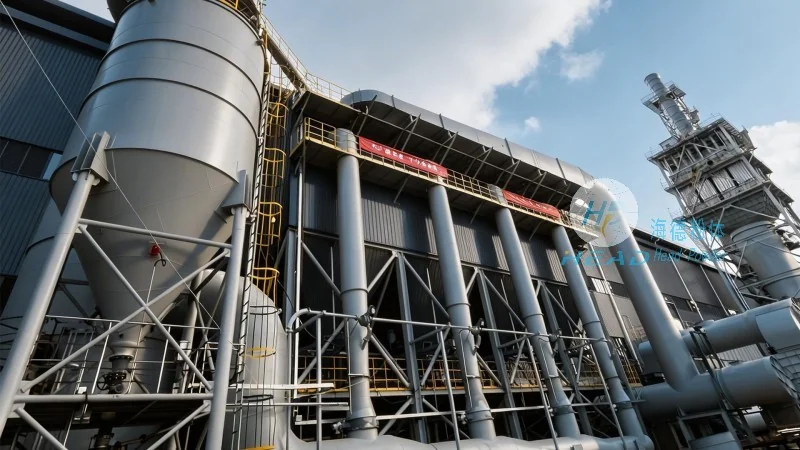
Introduction to Continuous Quantitative Powder Conveying Lines
Continuous quantitative powder conveying lines, also known as bulk material handling systems, are engineered to transport powders from one location to another while maintaining consistent flow rates and quantities. These systems are widely used in industries such as pharmaceuticals, food processing, chemicals, and mining, where accurate and reliable powder transfer is critical for production efficiency and product quality. HeadPowder, with its headquarters in Shandong, China, offers customized solutions that integrate seamlessly into existing production lines.
Working Principle of Continuous Quantitative Powder Conveying Lines
The core working principle of a continuous quantitative powder conveying line involves several integrated components working in tandem to ensure smooth and controlled powder movement. The process typically begins with a hopper or storage silo that holds the bulk powder. From there, the powder is fed into a conveyor system, which may include screw conveyors, pneumatic conveying lines, or belt conveyors, depending on the specific application and material properties. The feeder, a critical component, regulates the flow rate of the powder into the conveyor, often using adjustable speed drives or variable frequency drives to maintain consistent discharge rates. This ensures that the powder is transferred at the exact rate required for downstream processing.
Next, the conveyor system transports the powder through the line. Screw conveyors, for example, use rotating screws to push the powder forward, while pneumatic conveying systems utilize air pressure to move the material through pipes. The choice of conveyor type depends on factors like the powder's density, moisture content, and abrasiveness. After the powder is conveyed, it may be processed further, such as being mixed, packed, or stored in another container. The entire system is designed to operate continuously, minimizing downtime and maximizing production output.
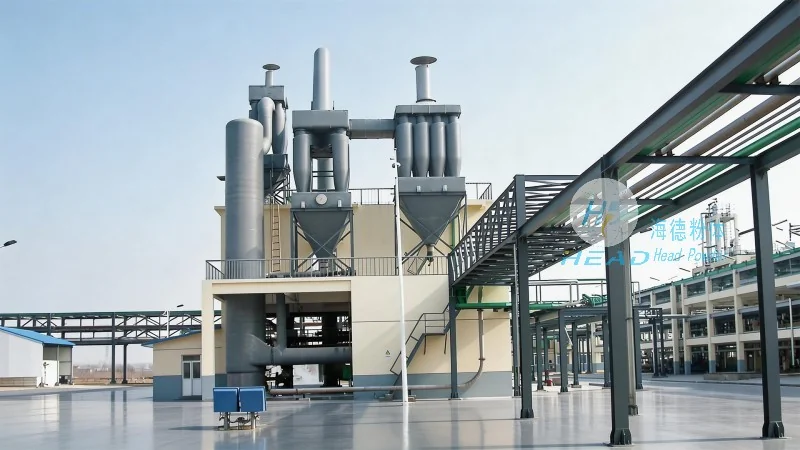
Key Features of Continuous Quantitative Powder Conveying Lines
Continuous quantitative powder conveying lines are characterized by several key features that make them ideal for industrial applications. First, they offer high accuracy in powder measurement and transfer. The adjustable feeders and precise control systems ensure that the exact quantity of powder is delivered, reducing waste and improving product consistency. This is particularly important in industries like pharmaceuticals, where dosage accuracy is non-negotiable.
Second, these systems are designed for continuous operation, allowing for uninterrupted production runs. Unlike batch processing methods, continuous conveying lines can operate 24/7, maximizing production output and reducing downtime. This is especially beneficial for high-volume manufacturing environments where efficiency is paramount. HeadPowder's systems are built to withstand heavy-duty use, ensuring long-term reliability.
Third, the systems are highly versatile and can handle a wide range of powder types. Whether dealing with fine powders like pharmaceuticals or coarse powders like cement, the conveying lines can be adapted to suit different material characteristics. This adaptability makes them suitable for various industries and applications. The company's engineering team designs customized solutions to address specific material challenges, ensuring optimal performance.
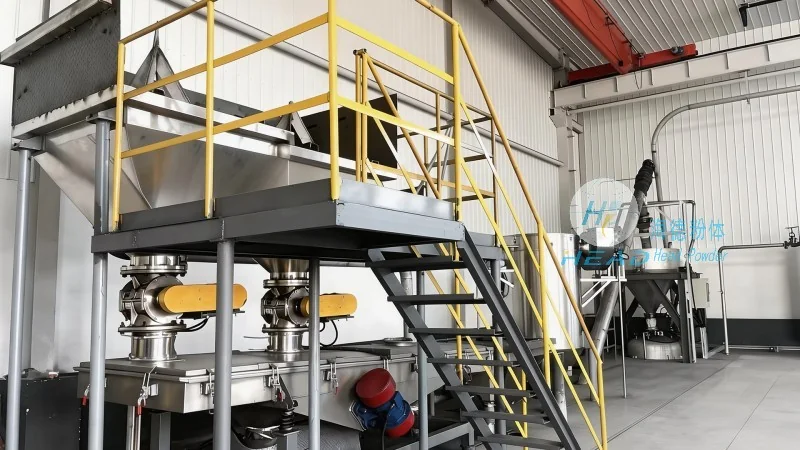
Fourth, continuous quantitative powder conveying lines are equipped with safety features to protect both personnel and equipment. These may include emergency stop buttons, overload protection, and dust suppression systems. The design also considers environmental factors, such as dust containment, to ensure compliance with regulatory standards. HeadPowder prioritizes safety in all its products, adhering to international safety guidelines.
Applications and Benefits in Industrial Settings
Continuous quantitative powder conveying lines find extensive applications across multiple industries. In the pharmaceutical industry, for example, these systems are used to transport active pharmaceutical ingredients (APIs) and excipients with high precision, ensuring that the final dosage is accurate and consistent. The systems from HeadPowder are often used in GMP-compliant facilities, where cleanliness and precision are paramount.
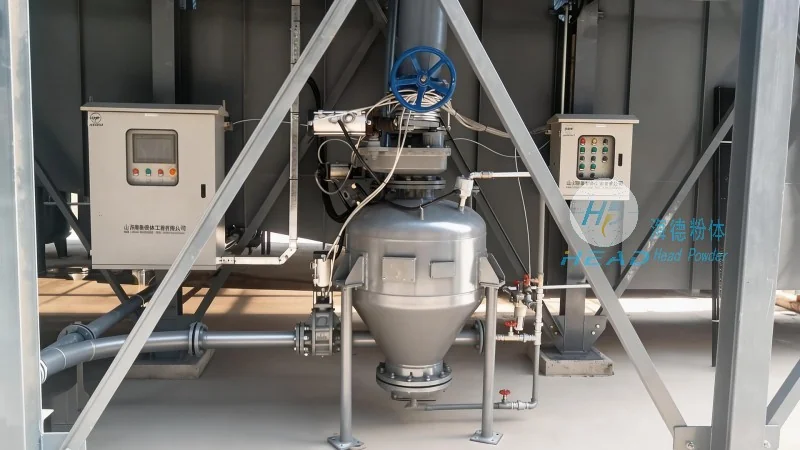
In the food industry, they are used to convey ingredients like flour, sugar, and spices, maintaining hygiene and preventing contamination. The stainless steel construction of HeadPowder's systems ensures that food-grade powders are handled safely, meeting regulatory requirements. Similarly, in the chemical industry, these systems handle various powders, including catalysts and reagents, with precision. The ability to control the flow rate and quantity is crucial for chemical reactions that require specific material ratios.
In the mining industry, continuous conveying lines are used to transport raw materials from mines to processing facilities, improving operational efficiency. The robust design of HeadPowder's systems can withstand harsh environmental conditions, making them suitable for mining operations. The benefits of using continuous quantitative powder conveying lines extend beyond just efficiency. They also contribute to cost savings by reducing material waste and minimizing labor costs associated with manual handling. Additionally, the consistent quality of the transferred powder leads to higher product yields and improved customer satisfaction.
Conclusion
Continuous quantitative powder conveying lines are sophisticated systems that combine advanced technology with precise control to ensure efficient and accurate powder handling. With their ability to operate continuously, handle diverse materials, and maintain high accuracy, these systems are indispensable in modern industrial operations. HeadPowder, a trusted manufacturer based in Shandong, China, provides high-quality solutions that enhance production processes and improve material handling efficiency. For companies seeking to optimize their operations and achieve higher productivity, investing in such systems is a strategic decision that yields long-term benefits.