

Working Principle and Features of the Alumina Crystal Pneumatic Conveying System Equipment
HeadPowder, a leading provider in the field of material handling solutions, specializes in the design, manufacturing, and supply of advanced pneumatic conveying systems. This article delves into the working principle and key features of the alumina crystal pneumatic conveying system equipment, highlighting its efficiency and reliability for industrial applications.
About HeadPowder Engineering Co., Ltd.
HeadPowder, formally known as Shandong HeadPowder Engineering Co., Ltd., is headquartered in Shandong, China. The company has established itself as a trusted manufacturer and supplier of high-quality material handling equipment, catering to diverse industrial needs with innovative solutions. Our commitment to precision engineering and customer satisfaction drives our mission to deliver reliable systems for the efficient transport of bulk materials.
Working Principle of the Alumina Crystal Pneumatic Conveying System
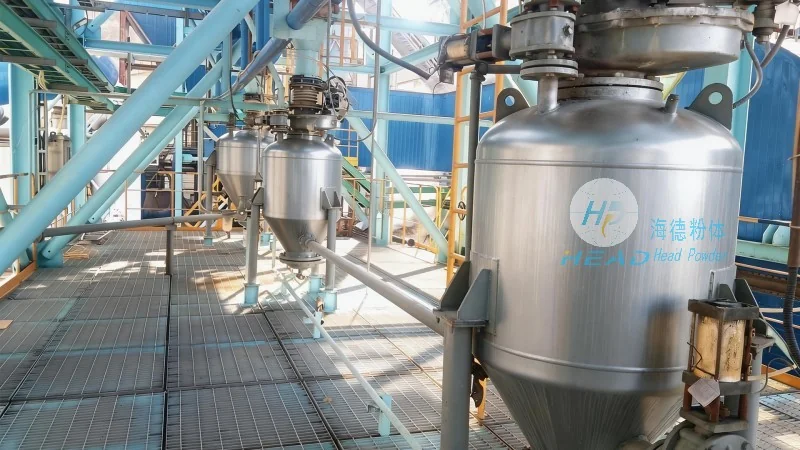
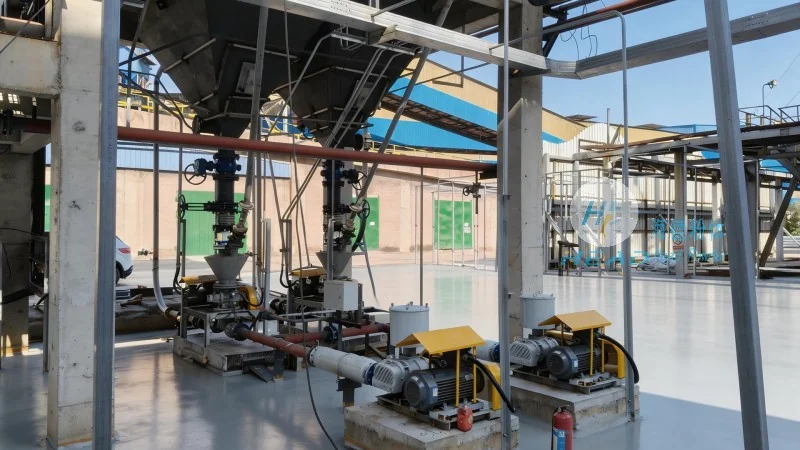
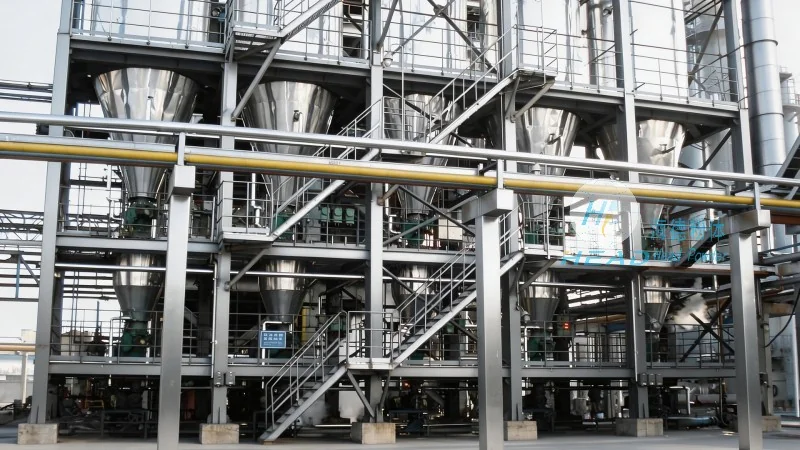
The alumina crystal pneumatic conveying system operates on the principle of pneumatic transport, which involves the use of air or gas to move solid particles through a pipeline. In this system, the alumina crystals are introduced into a hopper or feeder, where they are then drawn into the conveying line by a fan or blower. The air flow creates a low-pressure zone that pulls the crystals along the pipeline, ensuring a continuous and controlled flow. The system typically includes components such as a hopper, feeder, pipeline, and receiver, each playing a crucial role in the overall operation. The fan or blower provides the necessary air pressure to maintain the flow, while the pipeline ensures the crystals are transported from the source to the destination. This method eliminates the need for mechanical components like belts or buckets, reducing maintenance and increasing operational efficiency.
Key Features of the Alumina Crystal Pneumatic Conveying System
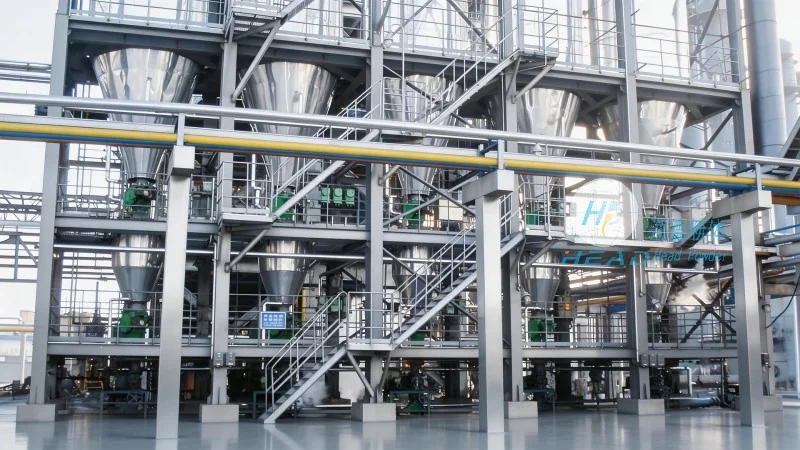
The alumina crystal pneumatic conveying system offers several advantages that make it an ideal choice for industrial applications. Firstly, it provides a dust-free and hygienic transport method, which is particularly important for food and pharmaceutical industries where contamination control is critical. The enclosed system prevents the release of particles into the environment, ensuring compliance with environmental regulations. Secondly, the system is highly efficient in terms of energy consumption, as it uses less power compared to traditional mechanical conveying systems. This results in lower operational costs and reduced carbon footprint. Thirdly, the system is flexible and can be customized to suit various production requirements. It can handle different particle sizes and shapes, making it suitable for a wide range of alumina crystal applications. Additionally, the system is easy to install and maintain, with modular components that allow for quick repairs and replacements. The use of advanced materials in the construction of the pipeline and components ensures durability and long service life, minimizing downtime and maintenance expenses.