

Working Principle and Features of Triplet Material Pneumatic Conveying Equipment
Triplet material, as a core component in lithium-ion batteries, requires precise and efficient handling during production and processing. Pneumatic conveying equipment has become a critical solution for transporting these materials safely and effectively. This article explores the working principle and distinctive features of such equipment, highlighting its importance in modern material handling systems.
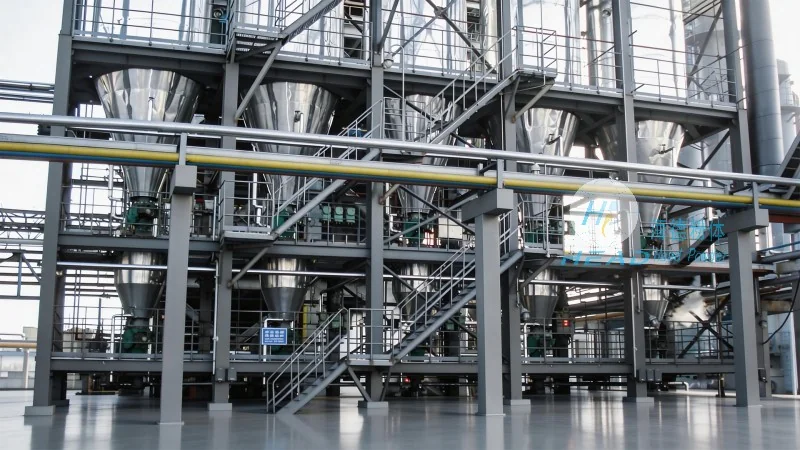
Understanding the Working Principle of Triplet Material Pneumatic Conveying Equipment
The core of pneumatic conveying technology relies on using air to transport bulk materials through a closed pipeline system. For triplet materials, which typically include lithium cobalt oxide (LiCoO₂), lithium nickel manganese cobalt oxide (NMC), and lithium iron phosphate (LFP), the equipment operates by creating a pressure differential or vacuum within the pipeline. This differential forces the material to move along with the air stream, ensuring a continuous and controlled flow. The process involves several key components: a material hopper, a feeder, a conveying line, and a receiver. The feeder controls the material discharge rate, while the conveying line may use either positive pressure (air blower) or negative pressure (vacuum pump) to move the material. The receiver collects the conveyed material at the destination point. This method eliminates the need for mechanical components like belts or buckets, reducing wear and maintenance requirements.
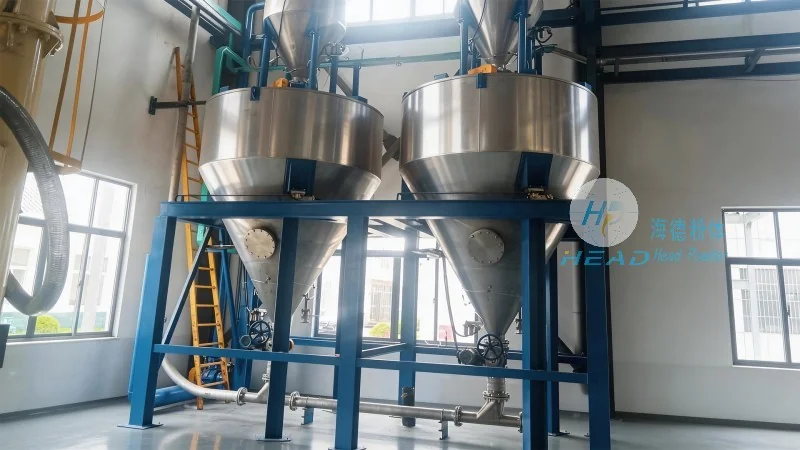
Key Features of Triplet Material Pneumatic Conveying Equipment
Several notable features make pneumatic conveying equipment ideal for handling triplet materials:
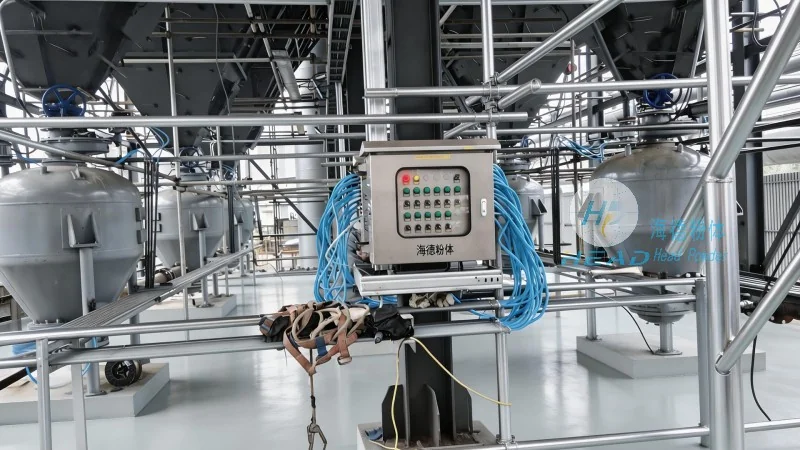
Firstly, it offers high efficiency in material transport. The equipment can handle large volumes of triplet materials with minimal downtime, enhancing production throughput. Secondly, it ensures a clean and hygienic environment, which is crucial for battery materials that require strict contamination control. The enclosed system prevents dust and particles from escaping, maintaining a safe working atmosphere. Thirdly, it provides flexibility in system design. The conveying lines can be easily reconfigured or extended to accommodate changes in production layout or scale. Additionally, the equipment is energy-efficient compared to traditional mechanical conveying methods, reducing operational costs over time. Another significant feature is its ability to handle fine powders without agglomeration, which is essential for maintaining the quality and performance of triplet materials. The system's design minimizes material degradation, ensuring that the properties of the materials remain consistent throughout the conveying process.
Application and Advantages in Material Handling
When applied to triplet material processing, pneumatic conveying equipment offers several advantages that directly impact the overall production process. It allows for seamless integration into automated production lines, supporting real-time material flow control. The system's ability to handle both dry and slightly moist materials makes it versatile for various processing stages, from raw material feeding to final product packaging. Furthermore, the equipment's compact design saves valuable floor space in production facilities, which is particularly important in modern manufacturing environments where space optimization is a priority. The consistent and reliable material transport also reduces the risk of bottlenecks or delays, contributing to improved overall equipment effectiveness (OEE). By leveraging pneumatic conveying, manufacturers can achieve higher productivity while maintaining the quality standards required for high-performance lithium-ion batteries.
Conclusion
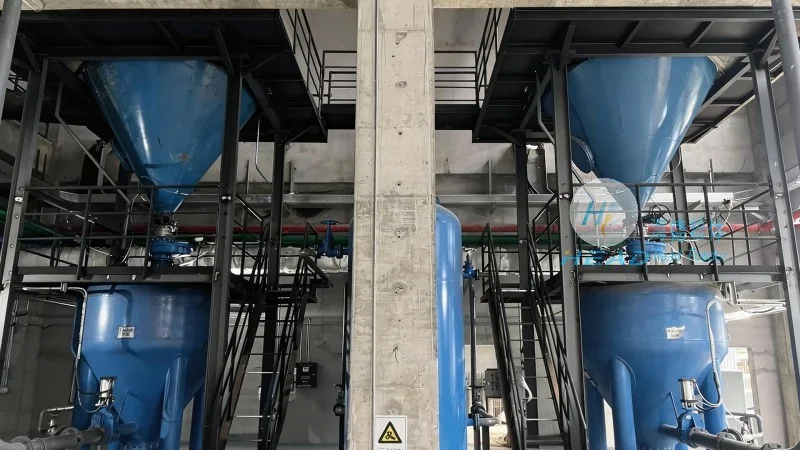
Pneumatic conveying equipment for triplet materials represents a sophisticated solution that combines advanced technology with practical benefits. Its working principle, based on air pressure differentials, enables efficient and safe material transport, while its features, such as cleanliness, flexibility, and energy efficiency, make it a preferred choice in the battery material industry. As the demand for lithium-ion batteries continues to grow, the importance of reliable material handling systems like these will only increase. Companies like Shandong HeadPowder Engineering Co., Ltd., with their expertise in engineering such equipment, play a vital role in supporting the production of high-quality triplet materials, ensuring the sustainability and advancement of the battery technology sector.