

Working Principle and Characteristics of PVC Resin Pneumatic Conveying
For industrial applications involving the handling of PVC resin, efficient and reliable material transport is crucial. Pneumatic conveying systems offer a sophisticated solution that addresses the unique challenges associated with PVC resin, ensuring smooth and safe material transfer. This article explores the working principle and key characteristics of PVC resin pneumatic conveying, highlighting the technology's benefits and practical applications.
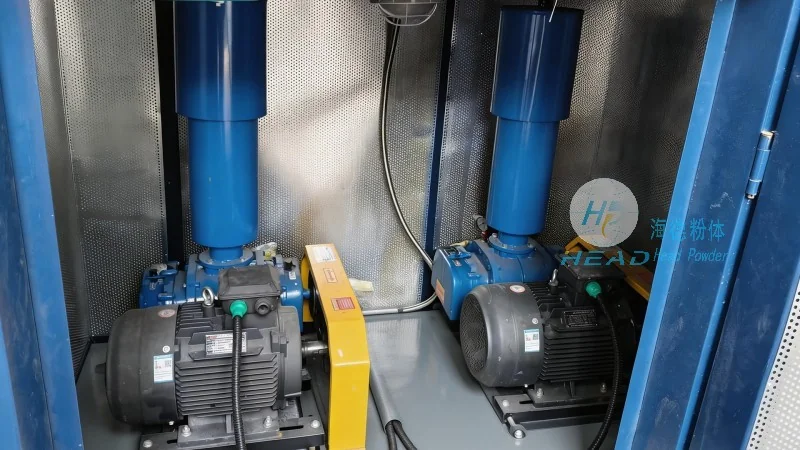
Introduction to PVC Resin Pneumatic Conveying
PVC (Polyvinyl Chloride) resin is widely used in various industries, including construction, manufacturing, and packaging, due to its durability, flexibility, and cost-effectiveness. Handling PVC resin requires specialized equipment to maintain its quality and prevent degradation. Pneumatic conveying systems provide an ideal method for transporting PVC resin from storage to processing units, such as mixers, extruders, or granulators. These systems utilize air or gas to move the resin particles through a pipeline, eliminating the need for mechanical components like belts or buckets.
Company Overview: Shandong HeadPowder Engineering Co., Ltd.
HeadPowder, a leading provider of material handling solutions, specializes in designing and manufacturing advanced pneumatic conveying systems tailored to the needs of the PVC industry. With a strong commitment to innovation and quality, HeadPowder has established itself as a trusted partner for businesses seeking efficient and reliable PVC resin transport solutions. The company's headquarters is located in Shandong, China, where it leverages local expertise and resources to deliver cutting-edge technology to global markets.
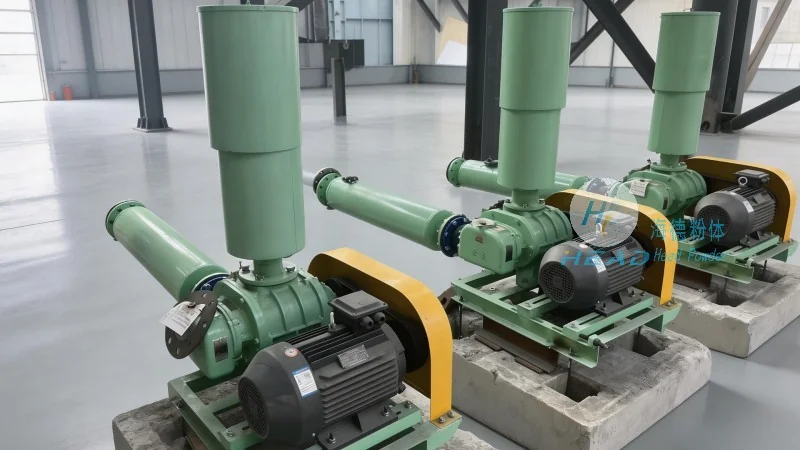
The Working Principle of PVC Resin Pneumatic Conveying
PVC resin pneumatic conveying operates on the principle of air movement, which creates a pressure differential to transport the resin particles. The system typically consists of several key components, including a hopper for material storage, a conveyor line, a blower or compressor to generate airflow, and a receiver for the delivered material. The process begins when the PVC resin is fed into the hopper. The blower then generates a high-velocity airflow that draws the resin particles into the conveyor line. As the particles travel through the pipeline, they are carried by the air stream, which maintains the material's momentum and prevents clogging. The receiver at the end of the line collects the resin, allowing it to be discharged into the next processing stage.
Key Characteristics of PVC Resin Pneumatic Conveying Systems
Efficient and effective pneumatic conveying of PVC resin is characterized by several distinct features that enhance performance and reliability. One of the primary advantages is the ability to handle fine or powdery PVC particles without the risk of degradation or agglomeration. The system's design minimizes material contact with metal surfaces, reducing the potential for contamination and ensuring the resin's purity. Additionally, pneumatic conveying systems offer flexibility in terms of layout, as they can be configured to follow existing factory structures or be installed in new facilities. This adaptability makes them suitable for both small-scale and large-scale operations.
Advantages of Using Pneumatic Conveying for PVC Resin
Implementing pneumatic conveying for PVC resin offers numerous benefits that improve operational efficiency and product quality. First, the system eliminates the need for manual handling, reducing labor costs and minimizing the risk of workplace injuries. By automating the material transport process, businesses can achieve higher throughput and consistency in resin delivery. Second, pneumatic conveying systems are highly hygienic, as they prevent dust and particles from escaping into the environment, which is critical for maintaining compliance with environmental regulations. The enclosed nature of the system also protects the PVC resin from moisture and other contaminants, preserving its quality throughout the transport process.

Applications and Industries Benefiting from PVC Resin Pneumatic Conveying
PVC resin pneumatic conveying is widely adopted across various industries that rely on PVC for their products. In the construction sector, these systems are used to transport resin to manufacturing facilities for the production of pipes, flooring, and siding. The automotive industry utilizes pneumatic conveying to move PVC resin to extrusion lines, where it is processed into components like car parts and interior trim. Additionally, the packaging industry benefits from efficient resin transport, as it enables the production of high-quality PVC films and containers. By streamlining the material handling process, pneumatic conveying systems help these industries reduce downtime and improve overall productivity.
Conclusion
PVC resin pneumatic conveying is a highly effective and reliable method for transporting PVC resin in industrial settings. The technology's working principle, which relies on air movement to move particles through a pipeline, offers numerous advantages, including efficiency, flexibility, and hygiene. Companies like Shandong HeadPowder Engineering Co., Ltd. have developed advanced systems that cater to the specific needs of the PVC industry, ensuring that businesses can maintain high-quality resin and improve their operational performance. As the demand for PVC products continues to grow, the adoption of pneumatic conveying systems will remain essential for efficient material handling and sustainable manufacturing practices.