

Pneumatic Conveying of Sorghum Dregs: Understanding the Process and Design Principles
Sorghum dregs, also known as sorghum residue or distiller's grain, is a byproduct generated during the production of sorghum liquor. Efficient handling and transportation of this material are crucial for the smooth operation of distilleries and related processing facilities. Pneumatic conveying has emerged as a preferred method for transporting sorghum dregs due to its ability to handle bulk materials with minimal mechanical contact, reducing wear and tear on equipment. This article explores the concept of pneumatic conveying for sorghum dregs and delves into the fundamental design principles that govern such systems.
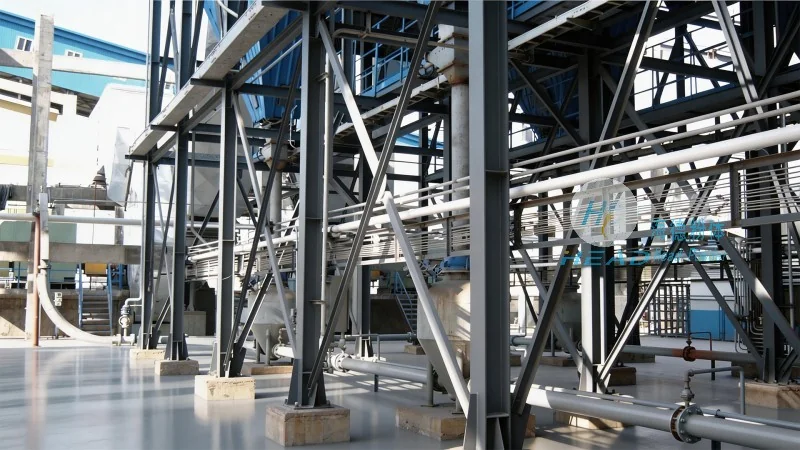
Understanding Pneumatic Conveying Systems
Pneumatic conveying systems utilize compressed air or other gases to transport bulk materials through a pipeline. In the context of sorghum dregs, these systems can be categorized into two main types: dilute-phase and dense-phase. Dilute-phase systems operate at higher air-to-material ratios, where the material is suspended in the air stream and moves through the pipeline at relatively high velocities. Dense-phase systems, on the other hand, operate at lower air-to-material ratios, where the material moves in a more cohesive manner, often with the aid of pulse or positive displacement techniques. The choice between these systems depends on factors such as material properties, distance to be conveyed, and desired flow rate.
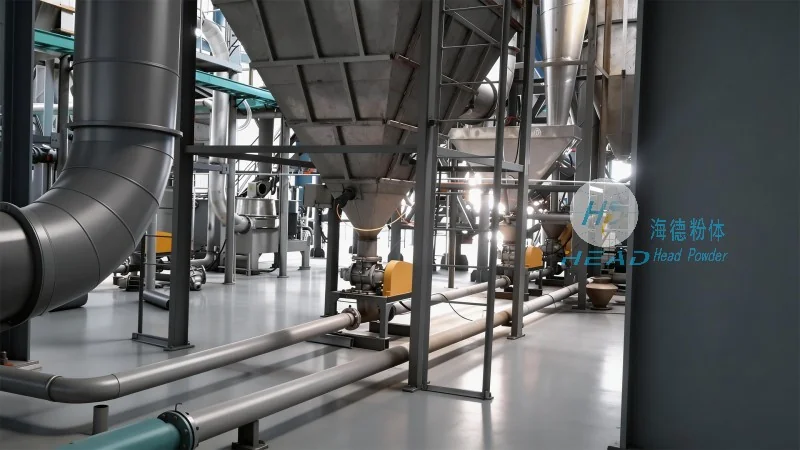
Key Design Principles for Sorghum Dregs Pneumatic Conveying
The design of a pneumatic conveying system for sorghum dregs involves several critical principles to ensure optimal performance and reliability. First, the selection of the appropriate conveying line diameter is essential. The diameter must be sufficient to prevent excessive pressure drop and to accommodate the material's flow characteristics. Typically, the line diameter is determined based on the material's bulk density, flow rate, and the desired velocity. Second, the air velocity plays a crucial role in maintaining the material in suspension. The minimum air velocity required to keep the material airborne is known as the "minimum conveying velocity," which is calculated based on the material's particle size, shape, and density. Maintaining a velocity above this threshold prevents material deposition and blockages in the pipeline. Third, the system's pressure drop is a critical design parameter. It is influenced by factors such as pipe length, fittings, and the material's friction characteristics. Proper design minimizes pressure drop to reduce energy consumption and ensure consistent material flow. Fourth, the inclusion of appropriate equipment, such as feeders, cyclones, and filters, is vital for controlling the flow and separating the material from the air stream. Feeders regulate the material input rate, while cyclones and filters ensure that the material is efficiently separated and the air is cleaned before release.
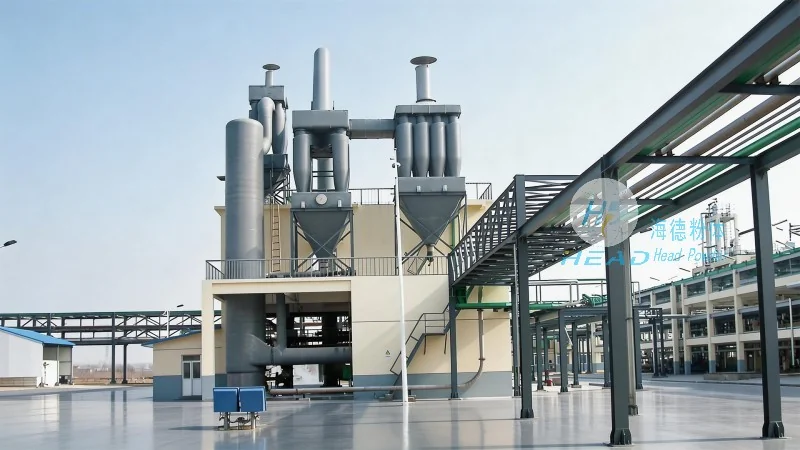
Role of HeadPowder in Pneumatic Conveying Solutions
Shandong HeadPowder Engineering Co., Ltd. specializes in providing comprehensive pneumatic conveying solutions tailored to the needs of the liquor and distillery industries. With years of experience in the field, HeadPowder has developed expertise in designing and manufacturing systems that efficiently handle sorghum dregs and other similar bulk materials. The company's approach involves a thorough understanding of the material's properties, the operational requirements of the client, and the latest advancements in pneumatic conveying technology. By collaborating closely with clients, HeadPowder ensures that the designed systems meet the specific challenges of transporting sorghum dregs, such as handling abrasive materials and maintaining low maintenance costs. The company's commitment to quality and innovation has made it a trusted partner for distilleries seeking reliable and efficient material handling solutions.
Conclusion
Pneumatic conveying of sorghum dregs is a sophisticated process that relies on well-defined design principles to ensure efficient and reliable material transport. From the selection of appropriate line diameters and air velocities to the integration of essential equipment like feeders and cyclones, each component plays a vital role in the overall system's performance. Companies like Shandong HeadPowder Engineering Co., Ltd. play a crucial role in providing tailored solutions that address the unique challenges of handling sorghum dregs, thereby contributing to the smooth operation of distilleries and the overall efficiency of the liquor production process.