

What is Polycarbonate Material Pneumatic Conveying? And What Are the Design Principles?
Polycarbonate material pneumatic conveying is a specialized method used in industrial applications to transport polycarbonate particles or powders through a system using air or other gases as the conveying medium. This technology is particularly valuable for handling polycarbonate, a thermoplastic polymer known for its high impact resistance, optical clarity, and durability. The process involves creating a pressure differential or using vacuum to move the material from a source to a destination, such as a processing unit or storage silo. Pneumatic conveying systems are often preferred for polycarbonate due to the material's sensitivity to static electricity and its tendency to agglomerate, which can be effectively managed with proper system design.
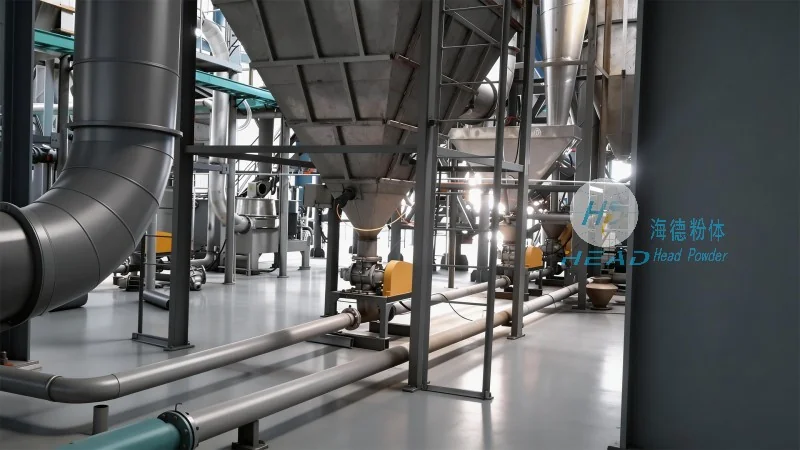
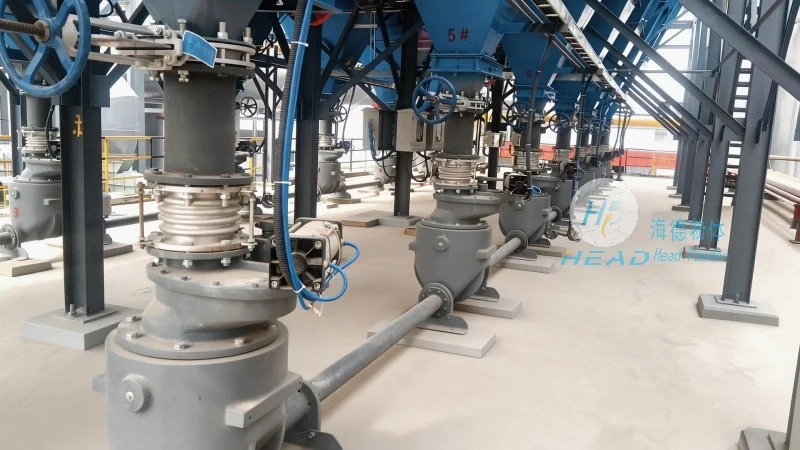
Key Design Principles for Polycarbonate Pneumatic Conveying Systems
The design of a polycarbonate pneumatic conveying system must consider several critical factors to ensure efficient and reliable operation. First, the system must be engineered to minimize particle degradation and maintain the material's quality. Polycarbonate is susceptible to heat and mechanical stress, so the conveying equipment, such as pipes, valves, and pumps, should be constructed from materials that do not cause friction or heat buildup. For instance, stainless steel or specialized plastic components are commonly used to prevent material damage. Second, the system must address the issue of static electricity accumulation. Polycarbonate particles are prone to generating static charges, which can lead to material buildup on surfaces or cause operational inefficiencies. Therefore, incorporating anti-static measures, such as grounding electrodes or ionizers, is essential to maintain smooth material flow. Third, the design must account for the material's flow characteristics. Polycarbonate powders or granules may have varying bulk densities and flowability, which affects the air velocity and pressure required for effective conveying. Proper sizing of the conveying lines, airlocks, and cyclones is crucial to prevent blockages and ensure consistent material transport. Fourth, the system should include features for material separation and cleaning. Cyclones or filters are often integrated to separate the conveyed polycarbonate from the air stream, preventing dust contamination and allowing for the collection of the material in a clean state. Additionally, the system may include a hopper or silo at the receiving end to store the material before further processing.
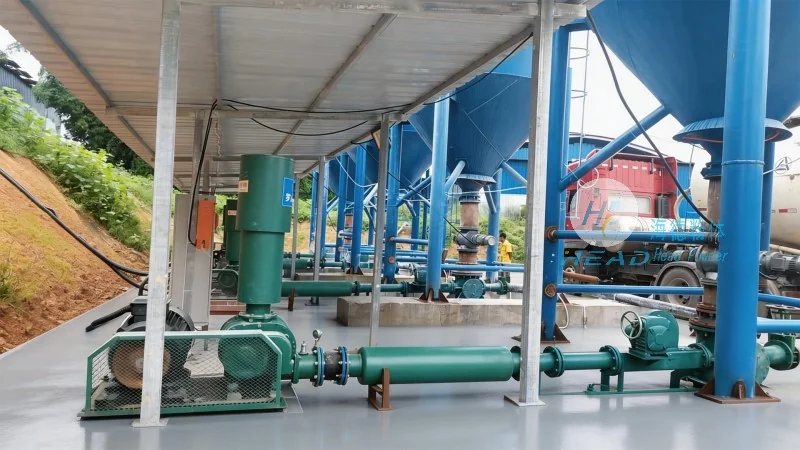
Components and Equipment in Polycarbonate Pneumatic Conveying Systems
A typical polycarbonate pneumatic conveying system consists of several key components that work together to achieve efficient material transport. The primary components include a material feed hopper, which holds the polycarbonate and provides a controlled release of material into the system. The hopper is equipped with a feeder, such as a rotary valve or a screw feeder, to regulate the flow rate and prevent overfilling. The feeder ensures that the material is introduced into the conveying line at a consistent rate, which is critical for maintaining stable air pressure and flow. The conveying line itself is made of materials that are compatible with polycarbonate, such as stainless steel or food-grade plastic, to avoid contamination and ensure durability. The line is designed with appropriate diameters and bends to minimize pressure losses and maintain the required air velocity for conveying. Airlocks are installed at the inlet and outlet of the conveying line to prevent backflow and maintain the system's pressure. These airlocks, often in the form of rotary or slide valves, ensure that the material is transferred smoothly without causing pressure fluctuations. Cyclones or filters are positioned at the end of the conveying line to separate the polycarbonate particles from the air stream. The cyclone uses centrifugal force to separate the heavier particles from the lighter air, while the filter may use a bag or cartridge to capture fine dust particles. The collected polycarbonate is then discharged into a receiving container, such as a hopper or silo, for further processing. The system may also include a blower or vacuum pump to generate the necessary air pressure or vacuum for conveying. The blower is typically a positive displacement type, such as a rotary lobe or roots blower, which provides consistent air flow and pressure. The vacuum pump is used in suction conveying systems to create a negative pressure that draws the material from the source to the destination. Additionally, the system may include sensors and controls to monitor and adjust the conveying process in real-time. These sensors can detect pressure, flow rate, and material level, allowing for automatic adjustments to maintain optimal operation. The controls may include a programmable logic controller (PLC) that manages the feeder speed, blower speed, and airlock operation, ensuring that the system runs efficiently and safely.
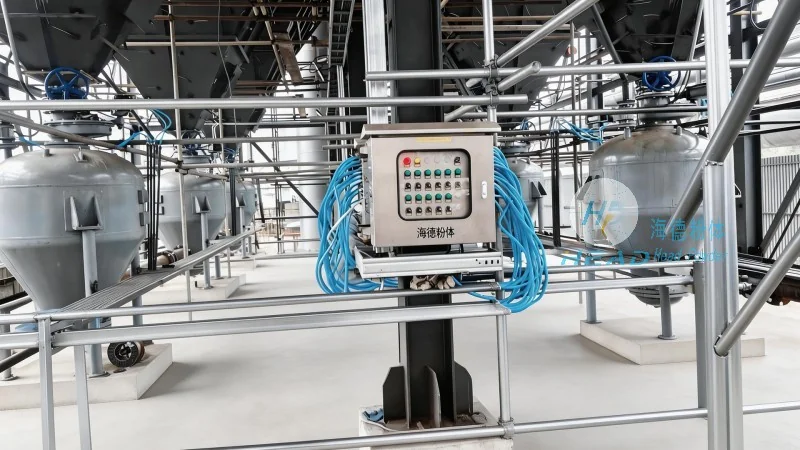
Benefits and Applications of Polycarbonate Pneumatic Conveying
Polycarbonate material pneumatic conveying offers several advantages over traditional bulk material handling methods, making it an ideal choice for many industrial applications. One of the primary benefits is the ability to handle polycarbonate in a clean and hygienic manner. The enclosed system prevents dust contamination and ensures that the material remains free from external particles, which is crucial for applications where purity is essential, such as in the manufacturing of optical components or medical devices. Another benefit is the reduced risk of material degradation. By using air as the conveying medium, the system minimizes mechanical stress and heat exposure, which helps maintain the polycarbonate's properties and extend its shelf life. This is particularly important for high-value polycarbonate products that require strict quality control. The system also offers flexibility in material handling, as it can transport polycarbonate from multiple sources to different destinations without the need for complex transfer mechanisms. This flexibility is beneficial for manufacturing processes that involve multiple processing steps or material transfers. Polycarbonate pneumatic conveying is widely used in various industries, including automotive, electronics, and consumer goods. In the automotive industry, it is used to transport polycarbonate parts for injection molding, ensuring that the material is delivered to the molding machines in a consistent and clean state. In the electronics industry, it is used to handle polycarbonate components for optical lenses or housings, where the material's clarity and durability are critical. In the consumer goods industry, it is used to transport polycarbonate packaging materials or components for various products, such as cameras or sports equipment. The system's ability to handle different particle sizes and flow rates makes it suitable for a wide range of applications, from fine powders to larger granules. Additionally, the system can be integrated with other processing equipment, such as mixers or extruders, to create a fully automated production line. This integration improves overall efficiency and reduces labor costs, making it a cost-effective solution for industrial operations.