

What is Perlite Material Pneumatic Conveying? And What Are Its Design Principles?
Perlite material pneumatic conveying is a sophisticated industrial process that enables the transport of perlite—a lightweight, porous volcanic glass material—through a pipeline using air or other gas as the primary conveying medium. This technology is essential for industries such as construction, horticulture, and insulation manufacturing, where perlite is valued for its thermal insulation properties, high porosity, and ability to retain moisture. The method offers advantages over traditional bulk material handling, including reduced labor costs, minimized material degradation, and improved safety by eliminating the need for manual handling of loose perlite.
Key Components of a Pneumatic Conveying System for Perlite
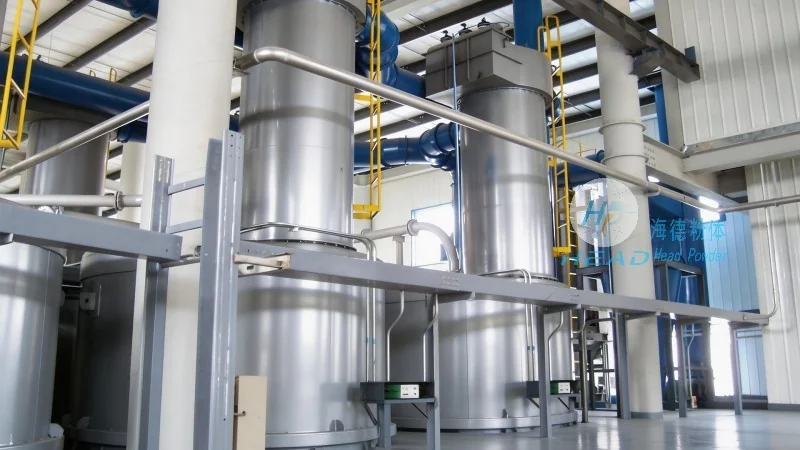
A typical pneumatic conveying system for perlite consists of several interconnected components, each playing a critical role in the overall operation. The system begins with a storage hopper, which holds the raw perlite material and provides a consistent feed to the feeder. The feeder, often a rotary valve or a mass flow meter, regulates the flow rate of the perlite into the pipeline, ensuring a steady and controlled discharge. The pipeline itself is made of materials resistant to abrasion and corrosion, such as stainless steel or high-density polyethylene, to withstand the repeated contact with perlite particles. The conveying air is supplied by a blower or a compressor, which generates the necessary pressure and velocity to move the material through the system. The air and material mixture travels through the pipeline, and at the discharge end, a receiver or a cyclone separator separates the perlite from the air stream. The separated perlite is collected in a discharge bin, while the air is either filtered and recirculated or vented to the atmosphere, depending on the system design.
Design Principles and Considerations for Efficient Perlite Conveying
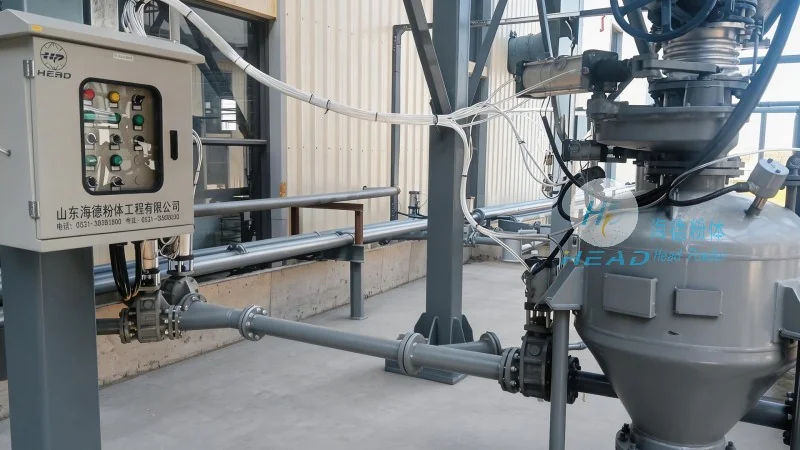
The design of a pneumatic conveying system for perlite is a complex process that requires careful consideration of several factors to ensure optimal performance. One of the most critical design principles is the selection of the conveying velocity, which must be high enough to maintain a stable, non-clogging flow but low enough to prevent excessive wear on the pipeline and components. The velocity is typically determined based on the particle size and density of the perlite, as well as the diameter of the pipeline. For example, smaller perlite particles may require higher air velocities to overcome the resistance of the material in the pipeline, while larger particles may need lower velocities to avoid causing blockages. Another key consideration is the system's pressure drop, which is the difference in pressure between the inlet and outlet of the pipeline. The pressure drop must be minimized to reduce energy consumption and prevent excessive wear on the blower or compressor. Engineers also consider the layout of the pipeline, including the number and angle of bends, as these can significantly impact the pressure drop and the overall efficiency of the system. Additionally, the system may incorporate features like pulse-jet cleaning or air locks to prevent material buildup and ensure continuous operation.
Advantages of Pneumatic Conveying for Perlite Handling
Pneumatic conveying offers several advantages over traditional methods for handling perlite. First, it provides a closed system, which helps to prevent dust contamination and improve workplace safety. Unlike belt conveyors or bucket elevators, which expose the material to the environment, pneumatic systems keep the perlite contained within the pipeline, reducing the risk of airborne dust and improving air quality. Second, the system is highly flexible, allowing for the transport of perlite over long distances and to multiple destinations. The pipeline can be configured in various configurations, including straight lines, curves, and even vertical sections, to accommodate the layout of the facility. Third, pneumatic conveying is energy-efficient compared to other bulk material handling methods, as it uses less power to move the material compared to mechanical systems like conveyors or elevators. Finally, the system is easy to maintain and operate, with minimal moving parts and a simple control system that allows for precise control of the flow rate and pressure.
About Shandong HeadPowder Engineering Co., Ltd.
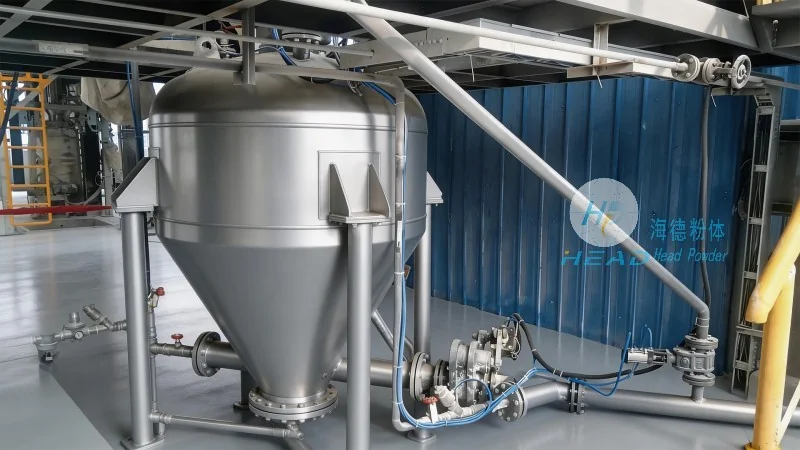
Shandong HeadPowder Engineering Co., Ltd., commonly referred to as headpowder, is a leading engineering company specializing in the design and manufacturing of material handling systems, including pneumatic conveying technologies for perlite and other bulk materials. Headpowder has established itself as a trusted provider of high-quality solutions for industries that rely on efficient and reliable material transport. The company's headquarters are located in Shandong, China, where it leverages local expertise and resources to deliver innovative products and services to clients worldwide. Headpowder's team of experienced engineers and technicians work closely with clients to understand their specific needs and develop customized solutions that meet their requirements for performance, durability, and cost-effectiveness. With a commitment to quality and customer satisfaction, headpowder has built a reputation as a reliable partner in the material handling industry.