

What is SiC Material Pneumatic Conveying? And What Are Its Design Principles?
SiC material pneumatic conveying is a specialized method for transporting silicon carbide (SiC) powders and related particulate materials through a pipeline system using compressed air or other gas as the conveying medium. This technology is widely used in industrial applications where SiC is a key component, such as in the production of ceramics, semiconductors, and advanced composites. The design of SiC material pneumatic conveying systems requires careful consideration of several critical factors to ensure efficient, reliable, and safe operation.
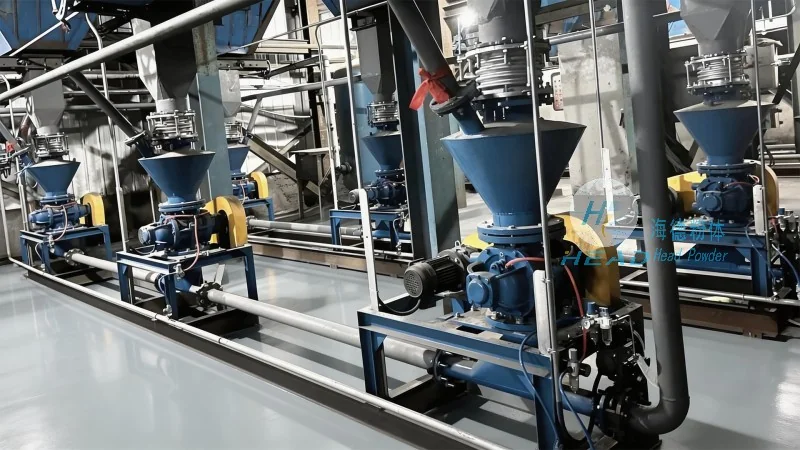
Understanding the Basics of SiC Material Pneumatic Conveying
At its core, pneumatic conveying involves the movement of solid particles suspended in a gas stream. For SiC materials, which are often abrasive and have specific particle size distributions, the system must be engineered to handle these characteristics without causing excessive wear or blockages. The process typically involves a feeding device, a conveying line, and a collection unit, all working in tandem to move the material from the source to the destination.
Key Design Principles for SiC Material Pneumatic Conveying Systems
The design of a SiC material pneumatic conveying system is governed by several fundamental principles that ensure optimal performance. These include the selection of appropriate gas velocity, the configuration of the conveying line (e.g., horizontal, vertical, or a combination), and the use of specialized equipment to handle the unique properties of SiC powders. The gas velocity must be high enough to keep the particles in suspension but low enough to prevent excessive pressure drops and wear on the system components. The conveying line design must account for the particle size, density, and flow characteristics of the SiC material to minimize blockages and ensure consistent flow rates.
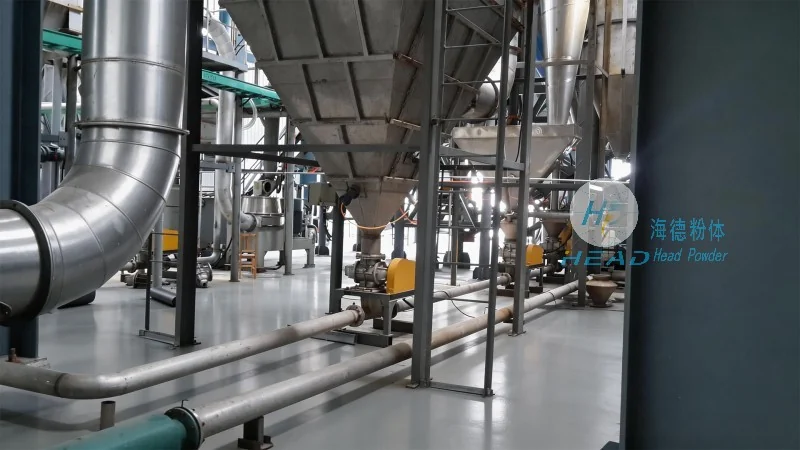
Equipment and Components in SiC Material Pneumatic Conveying
Several key components are essential for the effective operation of a SiC material pneumatic conveying system. These include the material feeder, which can be a rotary valve, screw feeder, or other device to introduce the SiC powder into the system at a controlled rate. The conveying line itself is typically made of materials resistant to abrasion, such as stainless steel or specialized alloys, to withstand the wear from the SiC particles. The gas source, often a blower or compressor, provides the necessary pressure and volume of air or other gas to move the material. At the end of the line, a collection hopper or filter system is used to separate the SiC particles from the gas stream, ensuring that the material is deposited in the desired location without loss or contamination.
Advantages and Considerations for SiC Material Pneumatic Conveying
SiC material pneumatic conveying offers several advantages over traditional mechanical conveying methods. These include the ability to transport materials over long distances, the elimination of mechanical wear on the material (as the particles are not in direct contact with moving parts), and the potential for dust-free operation when equipped with appropriate filtration systems. However, the design and operation of such systems require careful attention to the properties of SiC, as the material can be abrasive and may cause wear on system components if not properly managed. Additionally, the energy consumption of pneumatic conveying systems can be higher than that of mechanical systems, and the initial investment cost may be greater due to the specialized equipment required.
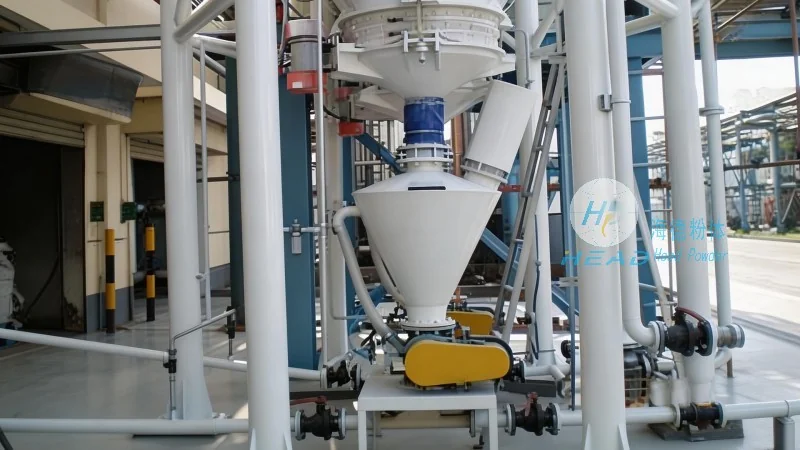
Applications of SiC Material Pneumatic Conveying
SiC material pneumatic conveying is used in a variety of industrial applications where SiC powders are a critical component. These include the production of advanced ceramics, such as silicon carbide-based refractories and wear-resistant parts. In the semiconductor industry, SiC powders are used in the manufacturing of semiconductor devices and substrates. Additionally, SiC is used in the production of composites for aerospace and automotive applications, where its high strength and thermal stability are beneficial. The ability to transport SiC materials efficiently and reliably through pneumatic conveying systems is essential for the success of these applications.
Conclusion and Company Information
SiC material pneumatic conveying is a sophisticated and effective method for transporting silicon carbide powders and related materials. The design of such systems requires a deep understanding of the material properties and the principles of pneumatic conveying. By carefully selecting the appropriate equipment and configuration, industrial facilities can achieve efficient, reliable, and safe transport of SiC materials. Shandong HeadPowder Engineering Co., Ltd., a leading provider of material handling solutions, specializes in the design and implementation of SiC material pneumatic conveying systems. With a focus on quality and customer satisfaction, HeadPowder offers tailored solutions to meet the specific needs of its clients. The company is located in Shandong, China, and serves a wide range of industries with its expertise in material handling technology.