

What is Polypropylene Material Pneumatic Conveying? What Are the Design Principles?
When it comes to handling polypropylene materials, especially in industrial settings, the choice of material handling technology can significantly impact efficiency, safety, and overall operational costs. One of the most effective methods for transporting polypropylene is through pneumatic conveying systems. This article aims to explain what polypropylene material pneumatic conveying is and delve into the key design principles that underpin such systems.
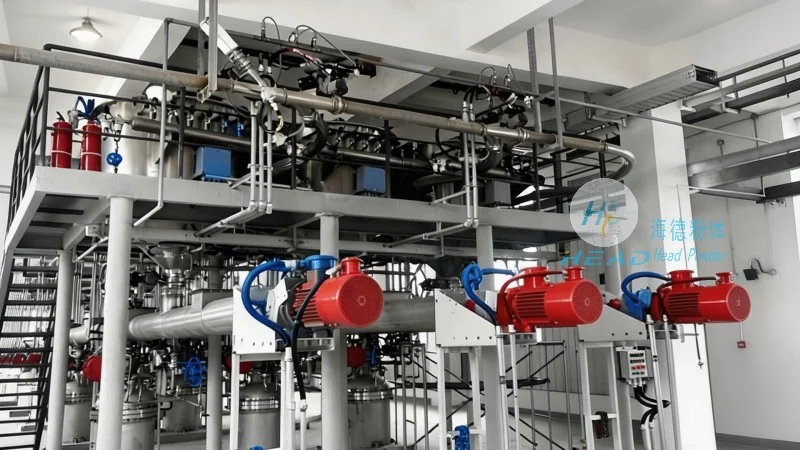
Polypropylene Material Pneumatic Conveying: An Overview
Pneumatic conveying, also known as air conveying, is a process that uses pressurized or vacuum air to transport bulk materials like polypropylene pellets, powders, or granules from one location to another. Unlike traditional mechanical conveying systems, which rely on belts, screws, or buckets, pneumatic systems utilize air as the primary medium for material movement. This method offers several advantages, including the ability to transport materials over long distances, through vertical and horizontal paths, and even around obstacles with minimal maintenance requirements.
For polypropylene, a thermoplastic polymer widely used in manufacturing due to its durability and versatility, pneumatic conveying is particularly advantageous. Polypropylene is often produced in pellet form, which can be challenging to handle due to its lightweight and sometimes cohesive nature. Pneumatic systems can effectively manage these characteristics by controlling air flow and pressure to ensure smooth and reliable transport. The process typically involves a source of material, a conveying line, and a destination point, with air either being supplied to push the material (positive pressure) or extracted to pull it (negative pressure).
Design Principles for Polypropylene Material Pneumatic Conveying Systems
The success of a polypropylene material pneumatic conveying system hinges on a well-thought-out design that addresses several critical factors. These principles ensure the system operates efficiently, safely, and with minimal downtime. Key design considerations include material properties, system layout, air flow management, and equipment selection.
Firstly, understanding the physical and chemical properties of polypropylene is essential. Polypropylene pellets can vary in size, density, and moisture content, which directly affect how they behave in a conveying system. For instance, larger or denser pellets may require higher air velocities to maintain flow, while smaller or lighter particles might need lower velocities to prevent segregation or excessive wear on components. The material's temperature sensitivity also plays a role, as polypropylene can soften or melt at elevated temperatures, potentially leading to blockages or equipment damage if not properly managed.
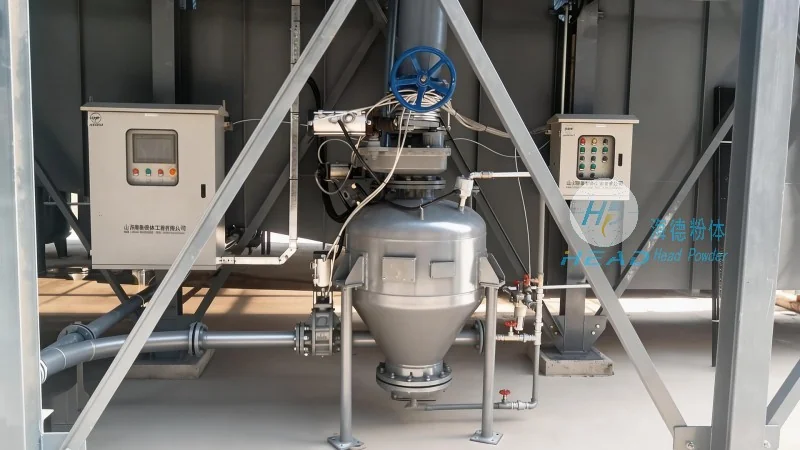
Secondly, the system layout must be carefully planned to optimize material transport. This involves determining the most efficient path from the source to the destination, considering factors such as vertical lift, horizontal distance, and any changes in elevation or direction. The design should minimize the number of bends and fittings, as these can cause pressure drops and material degradation. For polypropylene, which is prone to static electricity, the system must incorporate grounding and anti-static measures to prevent static buildup, which can lead to material sticking to equipment or causing sparks.
Thirdly, air flow management is a core design principle. The velocity of the air within the conveying line must be sufficient to keep the polypropylene particles in suspension but not so high as to cause excessive pressure losses or equipment wear. The air pressure and volume are critical parameters that need to be precisely controlled. Positive pressure systems typically use higher air pressures (e.g., 0.5 to 1.5 bar) to push the material, while negative pressure systems rely on lower pressures (e.g., -0.5 to -1.0 bar) to pull it. The choice between positive and negative pressure depends on the application, distance, and material characteristics.
Fourthly, equipment selection is crucial. The components of a pneumatic conveying system, including the hopper, feeder, filter, and receiver, must be chosen based on the specific requirements of polypropylene handling. For example, the hopper should be designed to prevent material bridging or caking, which can occur with polypropylene due to its cohesive nature. The feeder, often a rotary valve or a star feeder, must be capable of delivering a consistent flow rate without causing blockages. The filter is essential to remove any fines or dust from the air, ensuring that the system operates cleanly and that the polypropylene remains free of contaminants. The receiver, where the material is deposited, should be designed to prevent spillage and allow for easy access for maintenance.
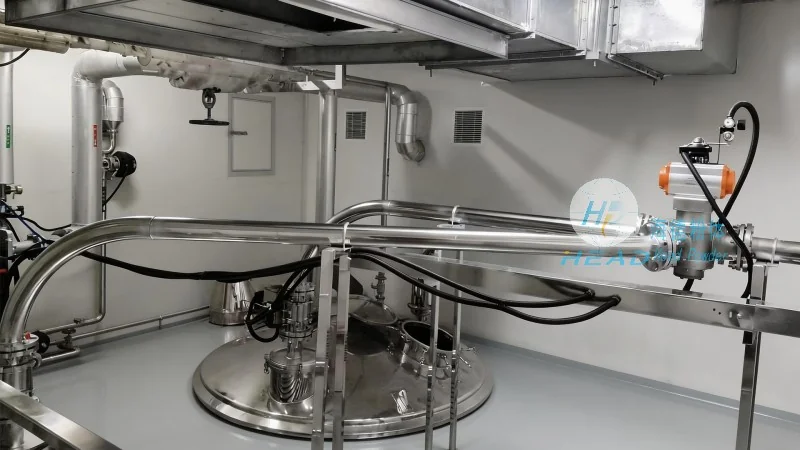
HeadPowder Engineering: Experts in Polypropylene Pneumatic Conveying Solutions
Shandong HeadPowder Engineering Co., Ltd., a leading provider of material handling solutions, specializes in designing and manufacturing custom pneumatic conveying systems tailored to the unique needs of polypropylene processing. With years of experience in the industry, HeadPowder has developed a deep understanding of the challenges associated with handling polypropylene and has refined its design principles to deliver reliable, efficient, and cost-effective solutions.
HeadPowder's approach to polypropylene material pneumatic conveying begins with a thorough analysis of the client's specific requirements. This includes assessing the type and quantity of polypropylene being handled, the distance and layout of the conveying path, and any operational constraints or environmental considerations. Based on this analysis, the company designs a system that adheres to the key principles outlined above, ensuring optimal performance and minimal maintenance.
The company's expertise extends to the entire lifecycle of the system, from initial design and engineering to installation and ongoing support. HeadPowder engineers work closely with clients to understand their production processes and identify areas where pneumatic conveying can improve efficiency. By leveraging advanced technology and a commitment to quality, HeadPowder ensures that its systems meet the highest standards of performance and reliability.
HeadPowder's facilities are located in Shandong, China, where the company maintains a strong presence in the material handling industry. The company's commitment to innovation and customer satisfaction has earned it a reputation as a trusted partner for businesses seeking to optimize their polypropylene handling operations. Whether for new installations or system upgrades, HeadPowder provides comprehensive solutions that address the specific challenges of polypropylene material pneumatic conveying.