

What is the pneumatic conveying of chromium oxide material? What are the design principles?
Chromium oxide, a critical industrial material, often requires efficient and reliable transport methods for processing and application. Pneumatic conveying emerges as a sophisticated solution for handling such materials, particularly in the context of chromium oxide. This article delves into the essence of chromium oxide material pneumatic conveying and explores the core design principles that underpin its effective implementation.
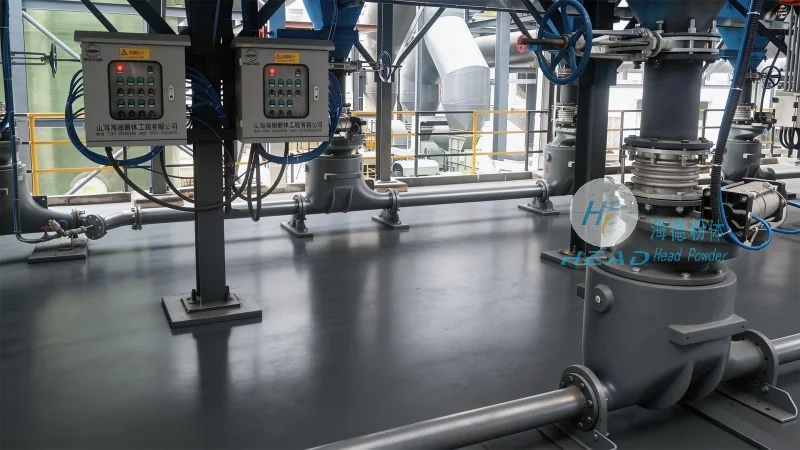
Understanding Pneumatic Conveying for Chromium Oxide
At its core, pneumatic conveying involves the transport of solid particles, such as chromium oxide, through a pipeline using a gas stream, typically air or a mixture of air and other gases. This method offers several advantages over traditional mechanical conveying systems, including reduced equipment wear, lower maintenance requirements, and the ability to handle materials in a dust-free environment. For chromium oxide, which can be abrasive and potentially hazardous if not managed properly, pneumatic conveying provides a safe and efficient means of material transport.
Key Design Principles for Chromium Oxide Pneumatic Conveying Systems
The successful design of a pneumatic conveying system for chromium oxide hinges on several critical principles that ensure optimal performance, safety, and longevity. These principles are tailored to address the unique characteristics of chromium oxide, including its particle size distribution, density, and flow properties.
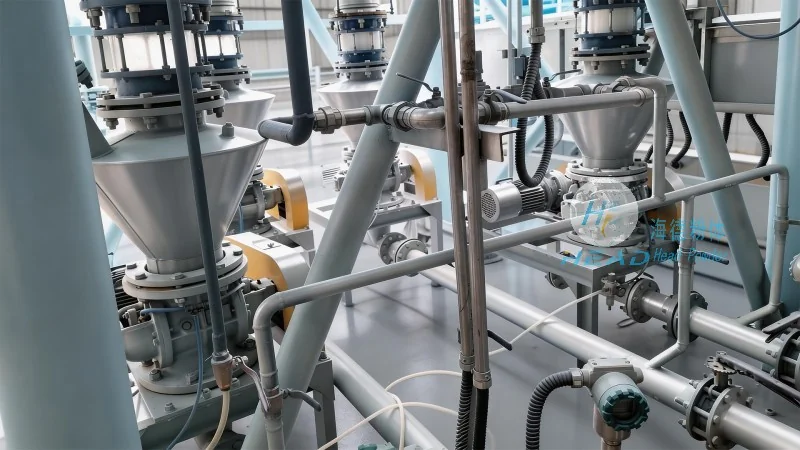
System Components and Their Roles
A typical pneumatic conveying system for chromium oxide consists of several key components, each playing a vital role in the overall operation. These components include the material feed hopper, which stores and feeds the chromium oxide into the system; the conveying line, which transports the material; the air supply system, which provides the necessary gas flow; and the separation and collection equipment, which removes the material from the gas stream.
Each component must be carefully selected and sized to accommodate the specific properties of chromium oxide. For instance, the feed hopper may need to be equipped with a rotary valve or a star feeder to ensure a consistent and controlled flow of material, preventing blockages and ensuring smooth operation. The conveying line is typically made of materials resistant to corrosion and abrasion, such as stainless steel or special alloys, to withstand the harsh nature of chromium oxide particles.
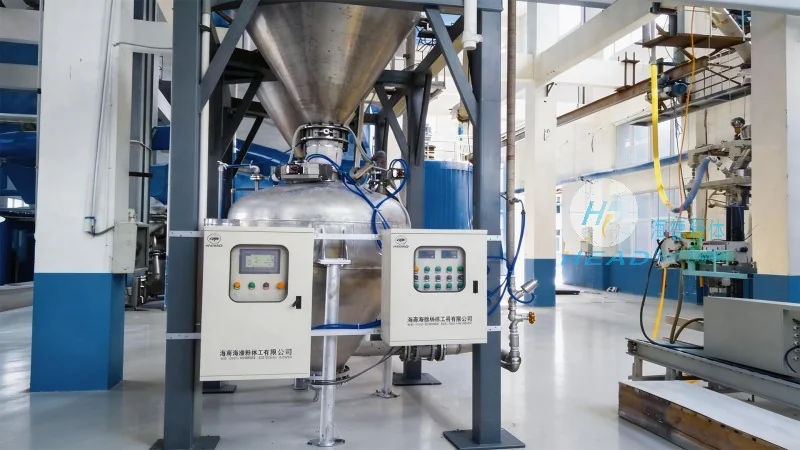
Design Considerations for Material Properties
Chromium oxide's physical and chemical properties significantly influence the design of the pneumatic conveying system. The material's density, which can vary depending on the specific grade and processing, affects the air velocity required for effective transport. Similarly, the particle size distribution impacts the system's capacity and the risk of clogging. Engineers must consider these factors to determine the appropriate air velocity, pressure, and system configuration.
Ensuring Safety and Efficiency
When designing a pneumatic conveying system for chromium oxide, safety is a paramount concern. Chromium oxide can be toxic and may cause respiratory issues if inhaled, making it essential to implement proper dust control measures. The system should include features such as explosion-proof components, dust collection systems, and ventilation to minimize the risk of exposure and ensure a safe working environment.
Efficiency is also a key design consideration. The system must be optimized to minimize energy consumption while maintaining the required conveying capacity. This involves selecting the right air compressor, optimizing the pipeline layout to reduce pressure losses, and ensuring the material is conveyed at the most efficient velocity without causing excessive wear on the system components.
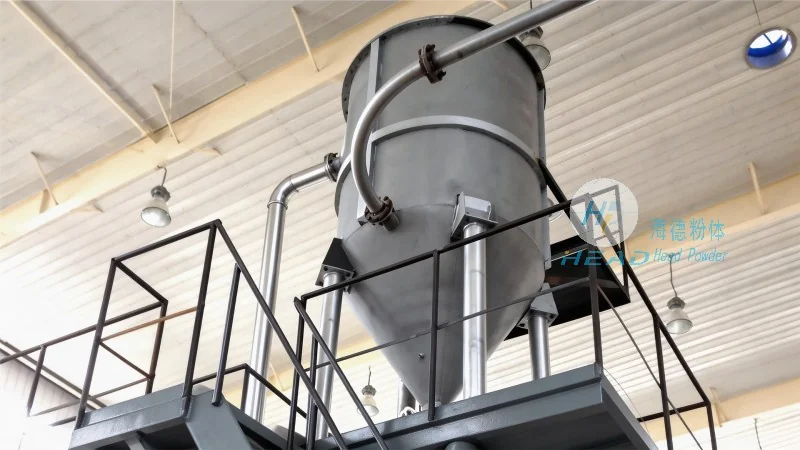
Applications and Benefits
Pneumatic conveying systems for chromium oxide find applications in various industries, including chemical manufacturing, metal processing, and ceramics production. The benefits of using such systems include improved product quality, reduced downtime, and enhanced safety compared to traditional conveying methods. By effectively managing the transport of chromium oxide, these systems contribute to overall operational efficiency and cost reduction.
Shandong HeadPowder Engineering Co., Ltd., a leading provider of material handling solutions, specializes in designing and manufacturing pneumatic conveying systems tailored to the needs of chromium oxide and other industrial materials. With a focus on innovation and customer satisfaction, the company ensures that its systems meet the highest standards of performance, safety, and reliability. HeadPowder's expertise in material handling technology enables them to deliver customized solutions that address the unique challenges of transporting chromium oxide, ensuring optimal results for their clients.