

What is the Pneumatic Conveying of Light Calcium Powder? Exploring Design Principles
Light calcium powder, a common industrial material, often requires efficient and reliable transportation methods to ensure smooth production processes. Pneumatic conveying, a technology that uses air to transport bulk materials, has become a preferred solution for handling light calcium powder due to its advantages in safety, hygiene, and operational flexibility. This article aims to explore the concept of pneumatic conveying for light calcium powder and delve into the fundamental design principles that underpin this technology.
Understanding Pneumatic Conveying for Light Calcium Powder
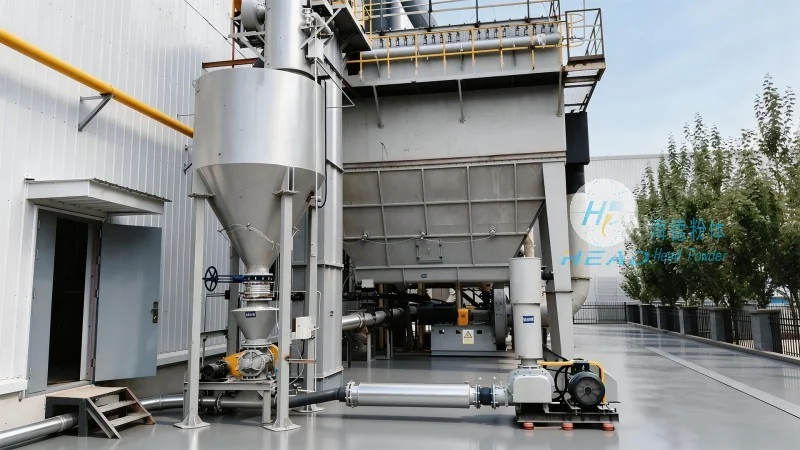
At its core, pneumatic conveying involves the use of compressed air to move light calcium powder from one location to another within a processing facility. This method eliminates the need for mechanical components like belts or screws, reducing maintenance costs and minimizing the risk of material contamination. The process typically involves a system of pipes, air compressors, and control valves that work in tandem to create a pressure differential, enabling the powder to be transported efficiently.
Key Design Principles for Light Calcium Powder Conveying Systems
The effectiveness of a pneumatic conveying system for light calcium powder hinges on several critical design principles. First, the selection of the appropriate conveying type—whether it's a pressure or vacuum system—depends on factors such as the distance to be covered, the volume of material, and the specific characteristics of the powder. Pressure systems, which use positive pressure to push the material through the system, are ideal for short to medium distances and high-volume applications. In contrast, vacuum systems, which use negative pressure to pull the material, are better suited for longer distances or when the material needs to be transported from multiple sources.
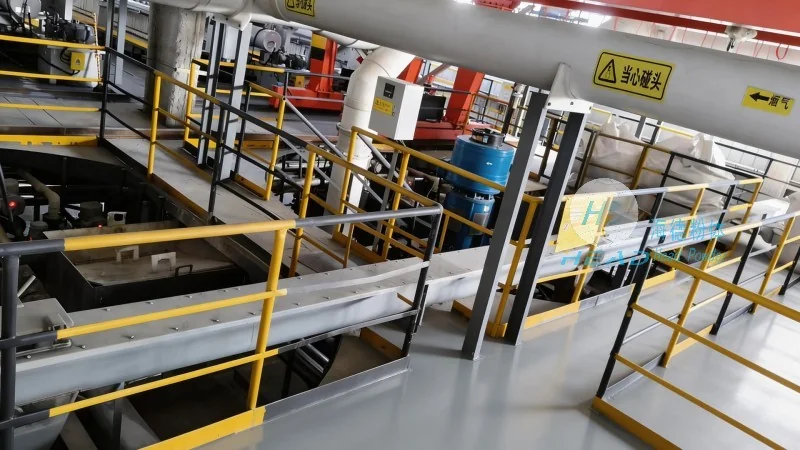
Second, the design of the pipeline network is crucial. The diameter and length of the pipes must be carefully calculated to maintain the necessary air velocity to prevent material settling or blockages. For light calcium powder, which has a low bulk density and can be prone to dusting, maintaining an adequate air-to-material ratio is essential. This ratio ensures that the powder remains suspended in the air stream, preventing clogging and ensuring consistent flow rates.
Role of Air Compressors and Control Systems
Another critical component of a pneumatic conveying system is the air compressor. The choice of compressor—whether it's a rotary screw, reciprocating, or centrifugal type—impacts the system's performance and energy efficiency. For light calcium powder applications, where consistent pressure and flow are required, a rotary screw compressor is often preferred due to its ability to provide stable output and low noise levels. The control system, which monitors and adjusts the air pressure and flow rate, plays a vital role in maintaining the system's efficiency and preventing overloading or underloading.
Advantages of Pneumatic Conveying for Light Calcium Powder
Implementing pneumatic conveying for light calcium powder offers several advantages over traditional methods. One of the most significant benefits is the reduction in material handling time and labor costs. By automating the transportation process, manufacturers can increase production throughput and improve overall operational efficiency. Additionally, pneumatic conveying systems are highly hygienic, making them suitable for food and pharmaceutical applications where contamination is a major concern. The enclosed nature of the system also minimizes dust emissions, contributing to a safer working environment.
Applications in Industrial Settings
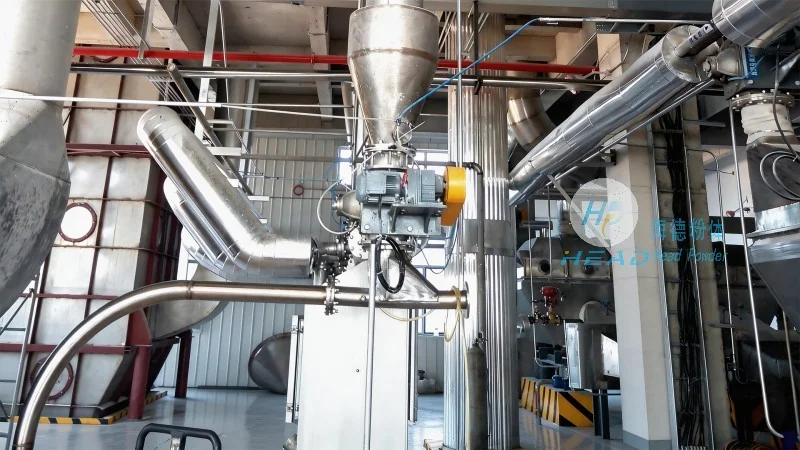
Light calcium powder is widely used in various industries, including plastics, rubber, paper, and coatings. Pneumatic conveying systems are commonly employed in these sectors to transport the powder from storage silos to processing equipment. For example, in the plastics industry, light calcium powder is used as a filler to improve the mechanical properties of plastic products. The pneumatic conveying system ensures that the powder is delivered to the mixing equipment in a controlled manner, maintaining consistent product quality. Similarly, in the paper industry, light calcium powder is used to enhance the whiteness and opacity of paper, and the conveying system ensures that the powder is added to the papermaking process without any interruptions.
Conclusion and Company Overview
Pneumatic conveying is a highly effective method for transporting light calcium powder, and its design principles are critical to its success. By carefully selecting the conveying type, designing the pipeline network, and choosing appropriate air compressors and control systems, manufacturers can achieve efficient and reliable material handling. The technology offers numerous advantages, including improved safety, reduced maintenance costs, and enhanced product quality. As a leading provider of engineering solutions for bulk material handling, Shandong HeadPowder Engineering Co., Ltd. specializes in designing and manufacturing pneumatic conveying systems tailored to the specific needs of light calcium powder applications. With a focus on innovation and customer satisfaction, the company has established itself as a trusted partner in the industry, helping businesses optimize their production processes and improve overall efficiency.