

What is the Pneumatic Conveying of High-Alumina Fly Ash? What Are the Design Principles?
High-alumina fly ash, a byproduct of coal combustion in thermal power plants, presents unique challenges when it comes to material handling and transportation. Pneumatic conveying has emerged as a reliable and efficient method for transporting this type of material, offering advantages over traditional mechanical systems. This article delves into the concept of high-alumina fly ash pneumatic conveying and explores the underlying design principles that ensure effective and safe operation.
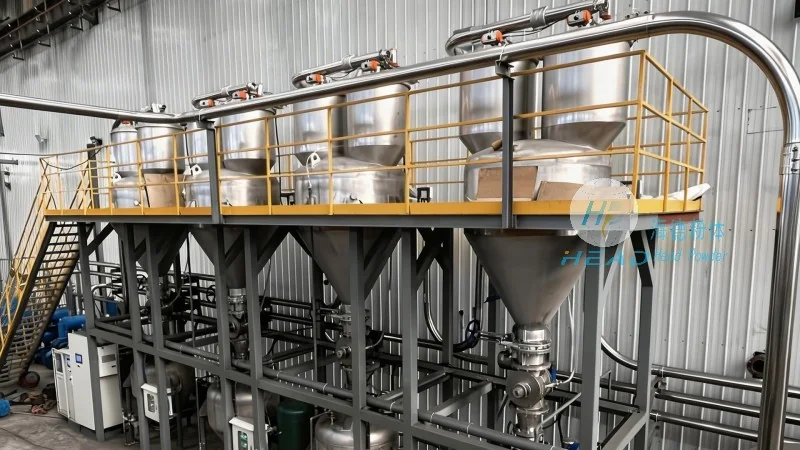
Understanding High-Alumina Fly Ash and Its Handling Requirements
High-alumina fly ash, also known as aluminous fly ash, is characterized by its high content of aluminum oxide (Al₂O₃) and silica (SiO₂). This composition makes it a valuable resource in the production of cement, refractory materials, and other industrial products. However, its fine particle size and abrasive nature require specialized handling techniques to prevent equipment wear and ensure consistent material flow. Pneumatic conveying systems are particularly well-suited for this application due to their ability to transport dry powders in a closed system, minimizing dust emissions and maintaining material integrity.
The Core Components of a Pneumatic Conveying System for High-Alumina Fly Ash
A typical pneumatic conveying system for high-alumina fly ash consists of several key components that work in tandem to achieve efficient material transport. The primary components include a material feed hopper, a rotary airlock valve, a conveying line (often equipped with pulse jets or venturi sections), a receiver or discharge hopper, and a dust collector or filter system. Each component plays a critical role in the overall performance and reliability of the system.
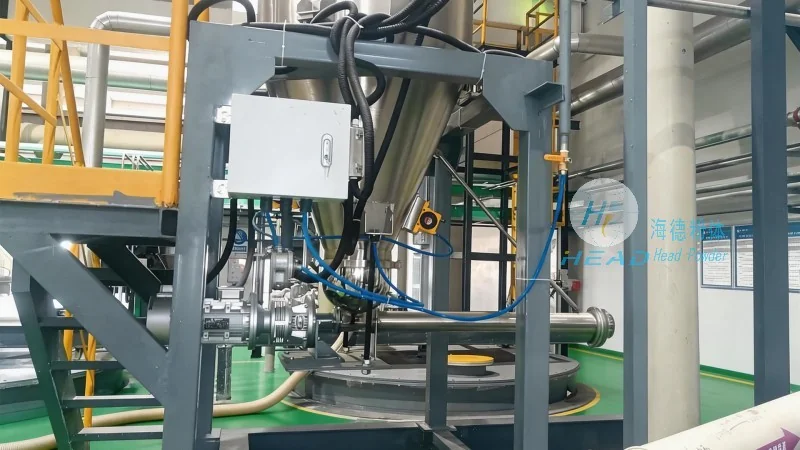
The material feed hopper is designed to store and feed the high-alumina fly ash into the system at a controlled rate. The rotary airlock valve acts as a seal between the hopper and the conveying line, preventing air leakage and ensuring that the material is introduced into the system in a controlled manner. The conveying line, which may be made of stainless steel or other corrosion-resistant materials, is the main pathway for the material and air mixture. Pulse jets or venturi sections are often incorporated into the line to maintain a consistent flow and prevent material buildup or blockages. The receiver or discharge hopper collects the conveyed material and can be equipped with a discharge valve or conveyor for further processing. Finally, the dust collector or filter system captures any airborne particles, ensuring compliance with environmental regulations and maintaining a clean working environment.
Design Principles for Efficient High-Alumina Fly Ash Pneumatic Conveying
The design of a high-alumina fly ash pneumatic conveying system is governed by several key principles that optimize performance, minimize energy consumption, and ensure long-term reliability. One of the most critical principles is the selection of the appropriate conveying velocity and pressure. The velocity must be sufficient to prevent material settling or deposition in the line but not so high as to cause excessive wear on the equipment or increase energy costs. The pressure level is determined by the system's layout, including the vertical and horizontal distances to be covered, as well as the material's density and particle size.
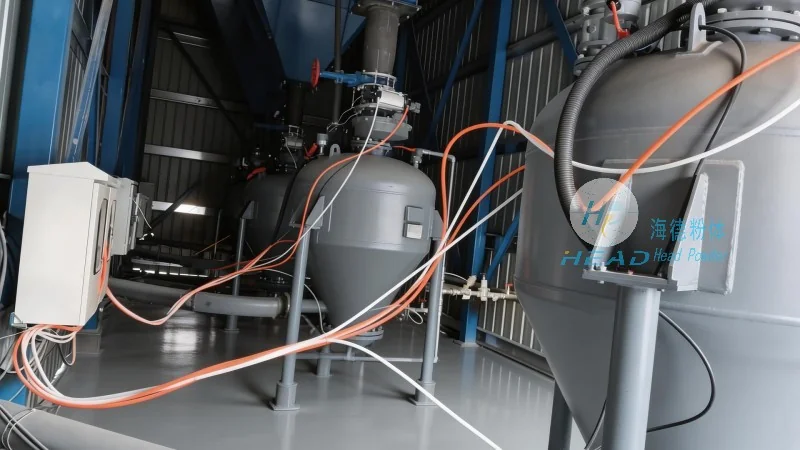
Another important design principle is the selection of the right type of air mover, such as a positive displacement blower or a centrifugal fan. Positive displacement blowers are often preferred for high-alumina fly ash applications due to their ability to maintain consistent pressure and flow rates, even with varying material feed rates. The air mover's capacity is calculated based on the material's specific gravity, flow rate, and the system's pressure drop. Proper sizing of the air mover is essential to avoid under- or over-pressurization, which can lead to system inefficiencies or equipment failure.
Material selection is also a critical design consideration. The conveying line, hopper, and other components must be made of materials that are resistant to the abrasive nature of high-alumina fly ash. Stainless steel, alloy steel, or specialized coatings are commonly used to prevent wear and extend the system's service life. The design also incorporates features to minimize friction and reduce the risk of material buildup, such as smooth internal surfaces and appropriate pipe diameters.
Advantages of Pneumatic Conveying for High-Alumina Fly Ash
Pneumatic conveying offers several advantages over traditional mechanical conveying methods for high-alumina fly ash. One of the primary benefits is the ability to transport materials in a closed system, which significantly reduces dust emissions and improves workplace safety. This is particularly important for high-alumina fly ash, which can be hazardous if inhaled. Additionally, pneumatic systems are more flexible in terms of layout, allowing for vertical and horizontal transport in a single line, which can reduce the overall footprint of the facility.
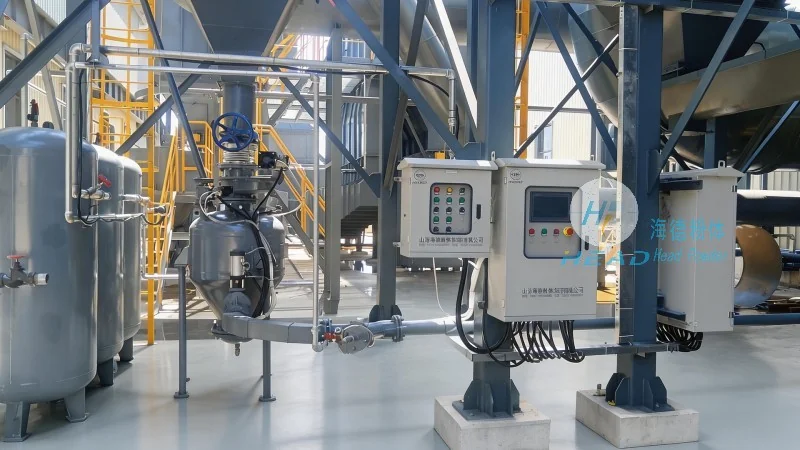
Another advantage is the reduced maintenance requirements compared to mechanical systems. Since there are no moving parts in direct contact with the material, the risk of wear and tear is minimized. This leads to lower maintenance costs and increased system uptime. Furthermore, pneumatic conveying systems can handle a wide range of material flow rates, from low to high, making them suitable for various production scales.
Conclusion
High-alumina fly ash pneumatic conveying is a sophisticated and effective method for transporting this valuable industrial material. The design principles, including proper component selection, material handling considerations, and system optimization, are crucial to achieving efficient and reliable operation. By understanding the unique properties of high-alumina fly ash and applying the appropriate design principles, industrial facilities can enhance their material handling processes, reduce costs, and improve overall operational efficiency. Shandong HeadPowder Engineering Co., Ltd., a leading provider of engineering solutions for material handling systems, specializes in designing and implementing such systems to meet the specific needs of their clients.