

What is a cement raw material powder pneumatic conveying equipment? What are its design principles?
Cement raw material powder pneumatic conveying equipment is a specialized system engineered to transport bulk powders, such as limestone, clay, and iron ore, which are fundamental components in cement production. This technology has become increasingly vital in modern cement manufacturing as it provides efficient, dust-free, and flexible solutions for material handling. The equipment is designed to accommodate the unique characteristics of cement raw materials, including their fine particle size, high moisture content, and abrasive nature, ensuring reliable and consistent performance in industrial settings.
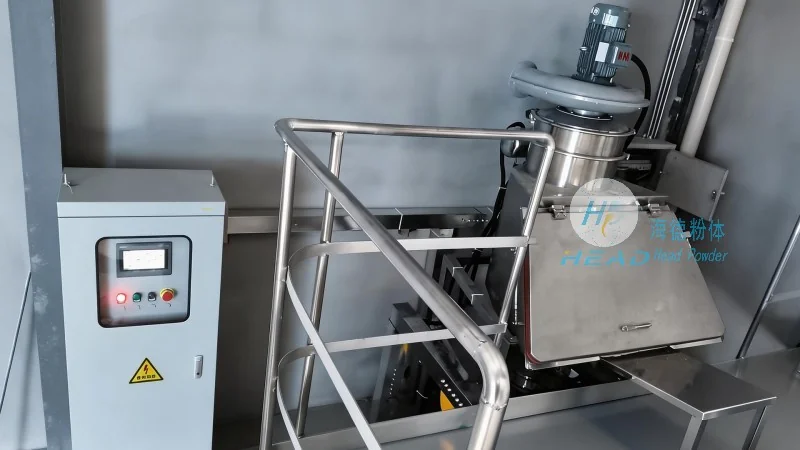
Key Components and Working Principle
The core of a cement raw material powder pneumatic conveying system typically consists of several critical components, each playing a crucial role in the overall operation. The primary components include a hopper for material storage, a feeder to control the flow rate, a conveying line (often equipped with ducts and bends), a pressure vessel or receiver to collect the material, and a vacuum or pressure source to generate the air flow. The working principle revolves around the use of air to move the powder particles through the system. In a pressure system, compressed air is introduced into the conveying line, creating a positive pressure that pushes the material forward. In a vacuum system, a vacuum pump draws air and material through the line, pulling the powder from the source to the destination. The design of these systems must account for factors like particle size distribution, material density, and the required conveying distance to ensure optimal performance.
Design Principles for Efficient Material Handling
Designing a pneumatic conveying system for cement raw materials requires careful consideration of several technical principles to maximize efficiency and minimize operational issues. One of the fundamental principles is the selection of the appropriate conveying method—either pressure or vacuum—based on the specific application and material characteristics. Pressure systems are generally preferred for long-distance or high-volume conveying, as they can handle larger particles and higher flow rates. Vacuum systems, on the other hand, are more suitable for short-distance or low-volume applications, particularly when the material needs to be transferred from a lower elevation to a higher one. Another critical design principle is the selection of the right duct size and material. The duct must be large enough to prevent particle segregation and clogging, while also being constructed from materials that can withstand the abrasive nature of cement raw materials. Additionally, the use of bends and elbows with smooth, rounded edges is essential to minimize pressure loss and prevent material buildup. The system also incorporates features like filters and cyclones to separate the conveying air from the powder, ensuring that the material is delivered in a clean and dry state. These design elements collectively contribute to the reliability and efficiency of the pneumatic conveying equipment.
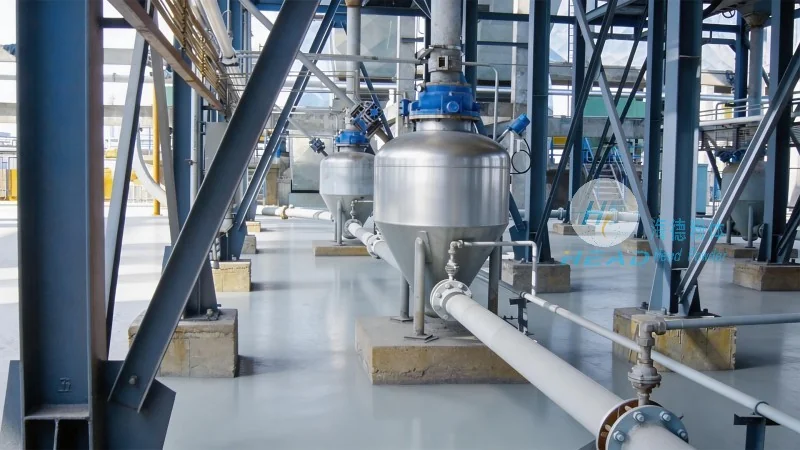
Applications in Cement Production
Cement raw material powder pneumatic conveying equipment is widely used in various stages of cement production, from raw material preparation to clinker processing. In the raw material preparation stage, the equipment is used to transport limestone, clay, and other raw materials from storage silos to the grinding mills. This step is crucial as it ensures a consistent supply of raw materials, which directly impacts the quality of the final cement product. The equipment also plays a role in the clinker production stage, where it conveys the ground raw materials to the rotary kiln for calcination. The ability to handle fine powders and maintain a dust-free environment is particularly important in this stage, as it helps to prevent contamination and improve the efficiency of the calcination process. Furthermore, the equipment is used in the cement grinding stage to transport the finished cement from the storage silos to the packaging or shipping facilities. The flexibility of pneumatic conveying systems allows them to adapt to different production requirements, making them a versatile solution for cement manufacturers.
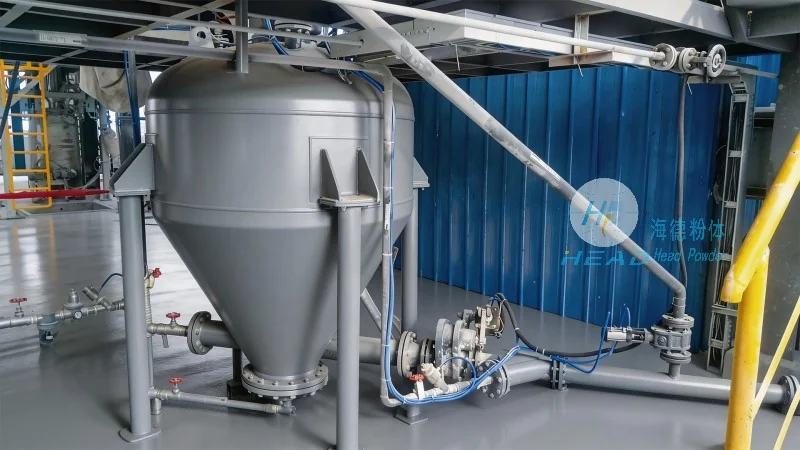
Advantages of Pneumatic Conveying Systems
Compared to traditional material handling methods like belt conveyors or bucket elevators, pneumatic conveying systems offer several advantages that make them ideal for cement raw material transport. One of the primary advantages is the ability to handle fine powders without causing segregation or loss of material. The enclosed system prevents dust from escaping into the environment, reducing the risk of occupational health hazards and environmental pollution. Additionally, pneumatic conveying systems are more flexible in terms of layout, as they can be installed in various configurations to accommodate different plant layouts and production requirements. The system can also be easily integrated with other equipment, such as grinding mills and kilns, to form a seamless material handling process. Another advantage is the reduced maintenance requirements, as the equipment has fewer moving parts compared to traditional systems. The use of smooth ducts and rounded bends minimizes wear and tear, extending the lifespan of the system. Finally, pneumatic conveying systems offer better control over the material flow rate, allowing for precise dosing and regulation of the raw materials, which is essential for maintaining the quality of the cement product.
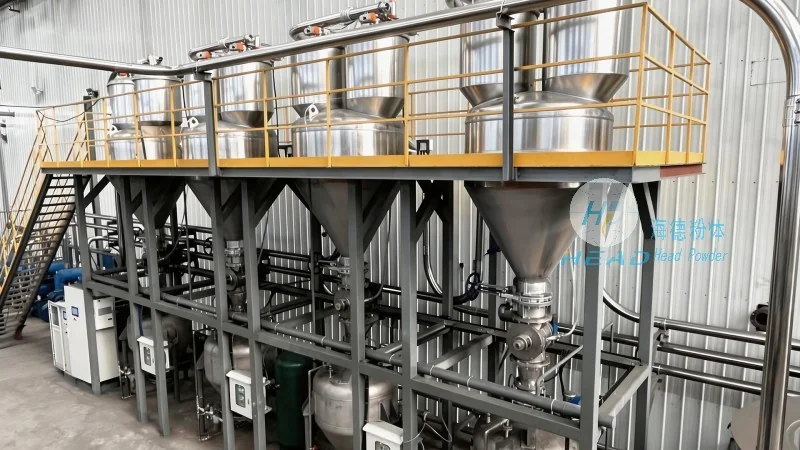
Challenges and Solutions in Pneumatic Conveying
Despite its advantages, pneumatic conveying systems for cement raw materials can face several challenges that may affect their performance and reliability. One of the main challenges is the risk of clogging, particularly when handling fine or cohesive powders. To address this, the system is designed with features like vibration or air pulsing to prevent material buildup. Another challenge is the pressure loss due to bends and elbows, which can reduce the conveying efficiency. The use of larger ducts and smoother bends helps to minimize this issue. Additionally, the system may experience wear and tear from the abrasive nature of the cement raw materials, requiring regular maintenance and replacement of components. To mitigate this, the equipment is constructed from durable materials such as stainless steel or high-grade alloys. Finally, the system may face issues with air leakage or pressure drop, which can affect the conveying capacity. Proper sealing and regular inspection of the system components are essential to maintain optimal performance.
Conclusion
Cement raw material powder pneumatic conveying equipment is a critical component in modern cement production, offering efficient, flexible, and dust-free solutions for material handling. The design principles behind these systems, including the selection of appropriate components, conveying methods, and duct materials, are crucial to ensure optimal performance. As the cement industry continues to evolve, the demand for advanced material handling technologies will increase, and pneumatic conveying systems will remain a key solution for manufacturers seeking to improve their production efficiency and product quality. With the expertise of companies like Shandong HeadPowder Engineering Co., Ltd., based in China, manufacturers can access reliable and customized solutions tailored to their specific needs, ensuring the successful implementation of pneumatic conveying systems in cement production.