

What is an Automatic Blending and Feeding Powder Pneumatic Conveying Line? What is its Design Princi
For industries dealing with bulk powders, the efficient handling and processing of materials is crucial. A key piece of equipment that addresses these needs is the automatic blending and feeding powder pneumatic conveying line. This system integrates multiple functions to streamline material handling, ensuring precision and reliability in various production processes. The design principle behind such a line is centered on optimizing the flow of powders through pneumatic means, combining blending, feeding, and conveying capabilities into a single, automated solution.
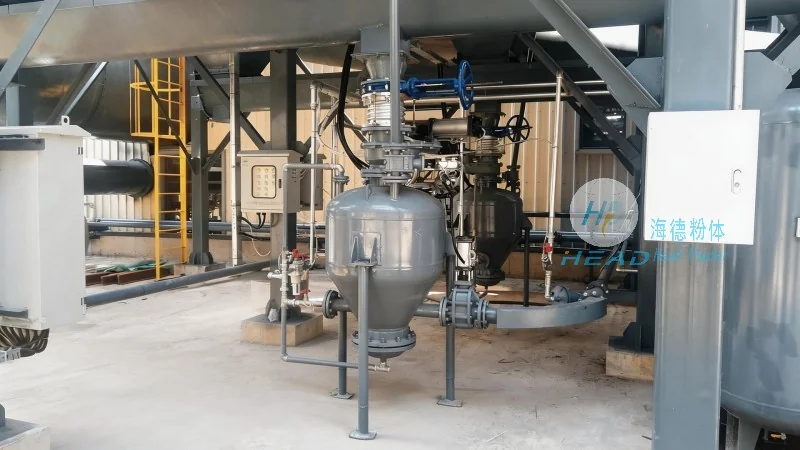
About the Company: HeadPowder
HeadPowder, or Shandong HeadPowder Engineering Co., Ltd., is a leading manufacturer specializing in engineering solutions for powder handling systems. With a focus on innovation and quality, the company has established itself as a trusted provider of advanced equipment for industries that rely on bulk material processing. HeadPowder's expertise lies in designing and manufacturing systems that enhance operational efficiency, reduce downtime, and improve product consistency. The company's facilities are located in Shandong, China, where it leverages local resources and industry knowledge to develop cutting-edge solutions tailored to global market demands.
Understanding the Automatic Blending and Feeding Powder Pneumatic Conveying Line
The automatic blending and feeding powder pneumatic conveying line is a sophisticated system designed to handle, blend, and transport dry powders with precision. At its core, the system utilizes pneumatic conveying technology, which involves the use of air to move powders through a network of pipes and components. This method offers several advantages over traditional mechanical conveying, including reduced equipment wear, lower maintenance costs, and the ability to handle a wide range of powder types without the need for additional additives or modifications.
Key Components and Their Functions
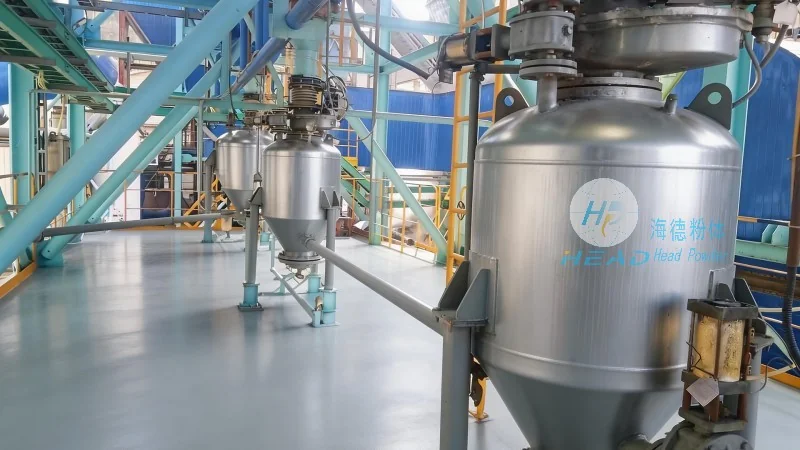
The design of an automatic blending and feeding line typically includes several critical components, each playing a vital role in the overall operation. These components may include a hopper for material storage, a feeder to control the flow rate, a blending unit to mix different powders, and a pneumatic conveying system to transport the blended material to the next stage of production. The hopper is designed to hold a sufficient quantity of material, ensuring a steady supply to the feeder. The feeder, often a rotary or vibratory type, regulates the flow of powder into the blending unit, allowing for precise control over the blend ratio. The blending unit, which may be a static or dynamic mixer, combines different powders to achieve the desired composition. Finally, the pneumatic conveying system, which can be either positive or negative pressure, transports the blended powder to the destination, such as a storage silo or a processing unit.
The Pneumatic Conveying Principle
The pneumatic conveying principle is fundamental to the operation of the automatic blending and feeding line. In positive pressure conveying, air is forced through the system, carrying the powder particles along the pipeline. This method is suitable for short to medium distances and can handle powders with a wide range of particle sizes. Negative pressure conveying, on the other hand, uses suction to draw the powder into the system, which is ideal for longer distances and applications where dust control is a priority. The choice between positive and negative pressure depends on factors such as the distance to be covered, the type of powder, and the required flow rate. The design of the conveying line, including the pipe diameter, length, and the use of bends and elbows, is carefully calculated to ensure efficient and consistent material flow, minimizing pressure losses and preventing particle segregation.
Design Considerations for Optimal Performance
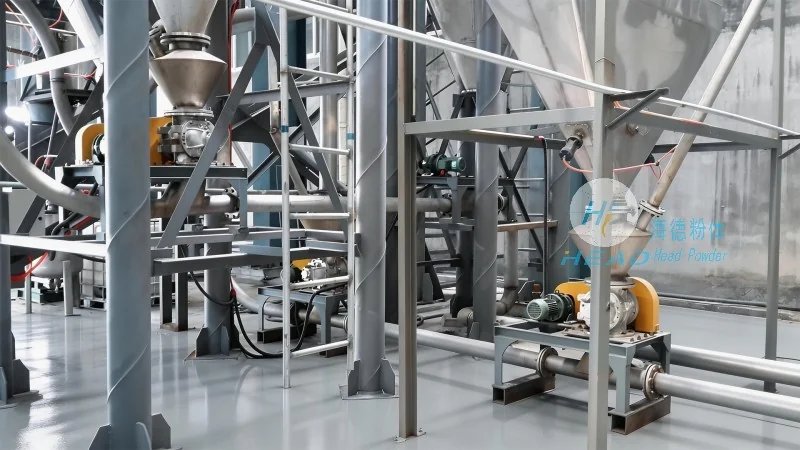
When designing an automatic blending and feeding powder pneumatic conveying line, several factors must be considered to ensure optimal performance and reliability. One of the primary considerations is the material characteristics of the powder, including its particle size distribution, density, and flowability. These properties affect the choice of equipment, such as the type of feeder and the design of the conveying system. Another critical factor is the required flow rate and blend accuracy, which determines the capacity of the system and the precision of the blending unit. The system must also be designed to handle variations in material supply, such as changes in bulk density or moisture content, to maintain consistent performance. Additionally, considerations such as dust control, safety, and environmental regulations are essential, as the handling of powders can generate dust and require proper containment measures. The integration of sensors and control systems is also important to monitor the operation in real-time, allowing for adjustments to be made quickly to maintain the desired blend and flow rates.
Applications and Benefits
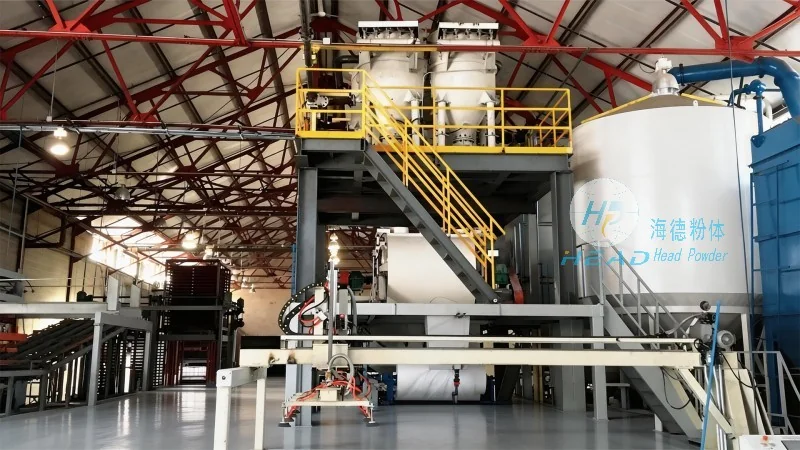
The automatic blending and feeding powder pneumatic conveying line finds applications in various industries, including pharmaceuticals, food processing, chemical manufacturing, and mining. In the pharmaceutical industry, it is used to handle active ingredients and excipients with high precision, ensuring consistent product quality. In food processing, it is employed to blend ingredients for beverages, snacks, and other products, maintaining hygiene and safety standards. In chemical manufacturing, it facilitates the handling of raw materials and intermediates, improving production efficiency and reducing waste. The benefits of this system extend beyond just material handling; it also enhances operational efficiency by automating the blending and feeding processes, reducing the need for manual intervention and minimizing human error. Additionally, the system can improve product consistency by providing precise control over the blend ratio, leading to higher quality output and reduced rework. The use of pneumatic conveying also reduces the risk of contamination and cross-contamination, which is critical in industries such as pharmaceuticals and food processing.
Conclusion
In summary, the automatic blending and feeding powder pneumatic conveying line is a sophisticated and efficient system designed to handle bulk powders with precision and reliability. The design principle, centered on pneumatic conveying technology, integrates blending, feeding, and conveying functions into a single automated solution. By carefully considering material characteristics, design parameters, and operational requirements, manufacturers can develop systems that meet the specific needs of their industries. HeadPowder, with its expertise in engineering and manufacturing, offers advanced solutions that enhance operational efficiency, improve product quality, and reduce costs for businesses dealing with bulk powders. As industries continue to demand higher standards of material handling, the role of such systems will only become more critical in ensuring smooth and efficient production processes.