

What is Barite Powder Material Handling? And What Are the Design Principles?
Barite powder material handling refers to the process of transporting and processing barite powder, a heavy mineral widely used in industries like oil drilling, paint manufacturing, and rubber production. As a high-density mineral, barite powder presents unique challenges in material handling due to its fine particle size and tendency to clog or segregate. Effective material handling systems are crucial for ensuring the safe, efficient, and cost-effective movement of barite powder from storage to its final application points. Shandong HeadPowder Engineering Co., Ltd., a professional manufacturer based in Shandong, China, specializes in designing and implementing such systems tailored to the specific needs of various industries.
Key Design Principles for Barite Powder Handling Systems
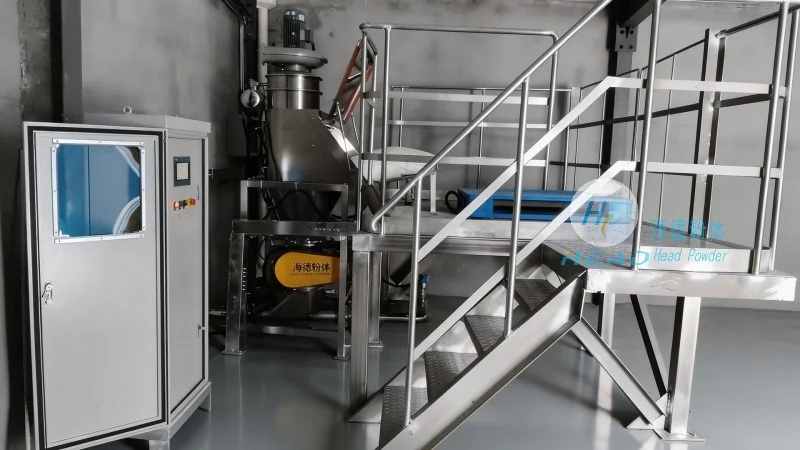
The design of barite powder material handling systems is guided by several fundamental principles that address the unique properties of the material. First, the system must prevent caking and blockages, which are common issues with fine powders. This is achieved through proper equipment selection and system layout, such as using screw conveyors with appropriate pitch and speed to maintain material flow. Second, the system should minimize segregation, where different particle sizes separate during transport. This is critical for maintaining the quality of the final product, especially in applications like paint and coatings where uniformity is essential. Third, energy efficiency and operational cost are key considerations. The design aims to optimize the use of energy while ensuring the system operates reliably over long periods. Fourth, safety and environmental compliance are paramount. The system must meet industrial safety standards and minimize dust emissions to protect both personnel and the environment.
Equipment Selection for Barite Powder Handling
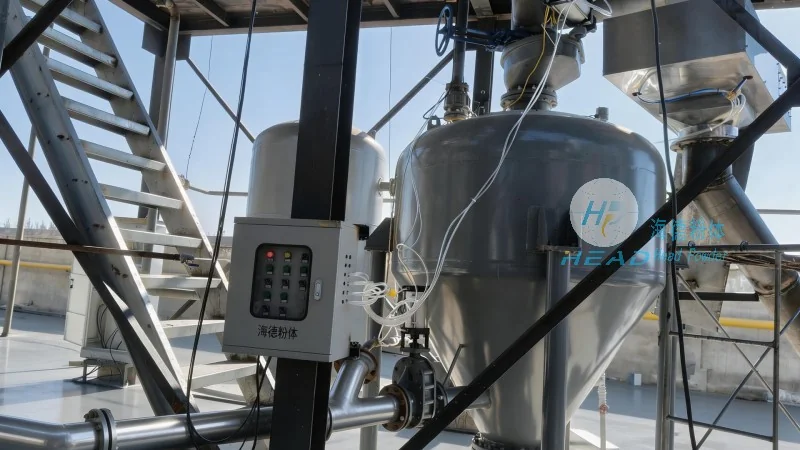
Several types of equipment are commonly used in barite powder material handling systems, each with its own design considerations. Screw conveyors are widely used for both vertical and horizontal transport due to their ability to handle fine powders without segregation. They are particularly effective for short to medium distances and can be designed with different pitch and speed to control the flow rate. Pneumatic conveyors, which use air pressure to move the powder, are suitable for long-distance transport and high-volume applications. They are ideal for handling powders that are difficult to convey mechanically. Belt conveyors are used for bulk material transport, especially in mining and open-pit operations. They are designed to handle large quantities of material and can be integrated with other equipment for a seamless material flow. The selection of equipment depends on factors such as the material's properties, the required transport distance, and the system's capacity.
System Design Process and Layout
The design process for a barite powder material handling system typically involves a systematic approach to ensure all requirements are met. First, the physical properties of the barite powder are analyzed, including particle size distribution, moisture content, and flowability. This data is crucial for selecting the appropriate equipment and determining the system's capacity. Second, the system layout is planned, considering the existing infrastructure and the required transport routes. The layout must ensure smooth material flow from storage to processing or application points, minimizing the need for multiple transfers. Third, the equipment is selected and sized based on the analysis. For example, if the system requires vertical transport, a screw conveyor with a vertical section may be chosen, while horizontal transport may use a belt conveyor. Fourth, the system is integrated and tested to ensure it meets the operational requirements. This includes testing the system's performance under different conditions and making adjustments as needed. Finally, regular maintenance and monitoring are implemented to maintain the system's efficiency and longevity.
Applications and Industry Use Cases
Barite powder is used in various industries, each with specific material handling requirements. In the oil and gas industry, barite powder is used as a weighting agent in drilling fluids to increase the density of the fluid and prevent blowouts. The material handling systems for this application must be robust and able to handle high volumes of powder under demanding conditions, such as in offshore drilling operations. In the paint and coatings industry, barite powder is used as a filler to improve the opacity and texture of the paint. The material handling systems in this sector must ensure precise control over the powder's flow and distribution to maintain consistent product quality. In the rubber industry, barite powder is used as a reinforcement agent, requiring careful handling to avoid contamination. The systems must be designed to maintain the purity of the powder and prevent cross-contamination with other materials.
Maintenance and Optimization of Barite Powder Handling Systems
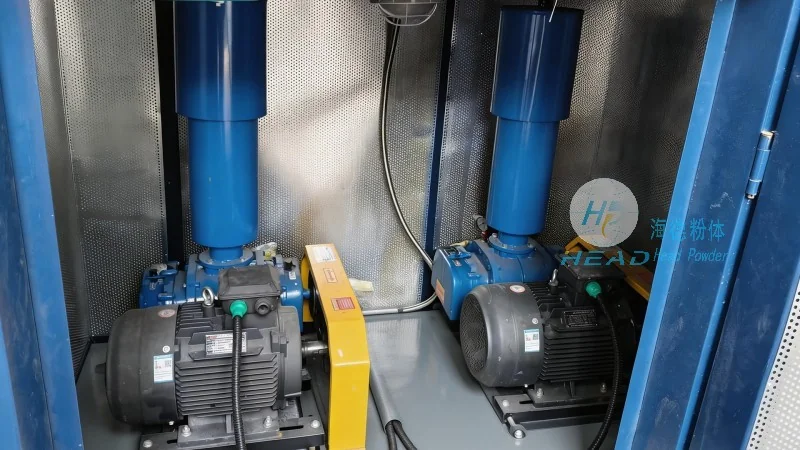
Regular maintenance is essential for the longevity and efficiency of barite powder material handling systems. This includes cleaning equipment to prevent powder buildup, checking for wear and tear, and adjusting system parameters as needed. For example, screw conveyors may require periodic cleaning of the flights to prevent clogging, while pneumatic conveyors may need to have their air filters checked and replaced regularly. Optimization of the system can also improve performance, such as by upgrading to more efficient equipment or implementing better control systems. For instance, using variable speed drives in screw conveyors can help adjust the flow rate based on the material's properties, reducing energy consumption and improving efficiency. By maintaining and optimizing the system, companies can ensure consistent operation and reduce downtime, leading to increased productivity and cost savings.
Conclusion
Barite powder material handling is a critical process in various industries, and the design principles and equipment used must address the unique challenges of handling this heavy mineral. Shandong HeadPowder Engineering Co., Ltd. leverages its expertise to design and implement reliable and efficient material handling systems that meet the specific needs of different industries. With a strong base in Shandong, China, the company continues to provide innovative solutions for barite powder handling, ensuring safe and efficient operation for its clients.