

What is Flake Graphite Material Handling? And What Are Its Design Principles?
HeadPowder, a leading manufacturer based in Shandong, China, specializes in providing high-quality solutions for flake graphite material handling. This article explores the fundamental aspects of flake graphite material handling, including its definition, key design principles, and practical considerations for effective material transport.
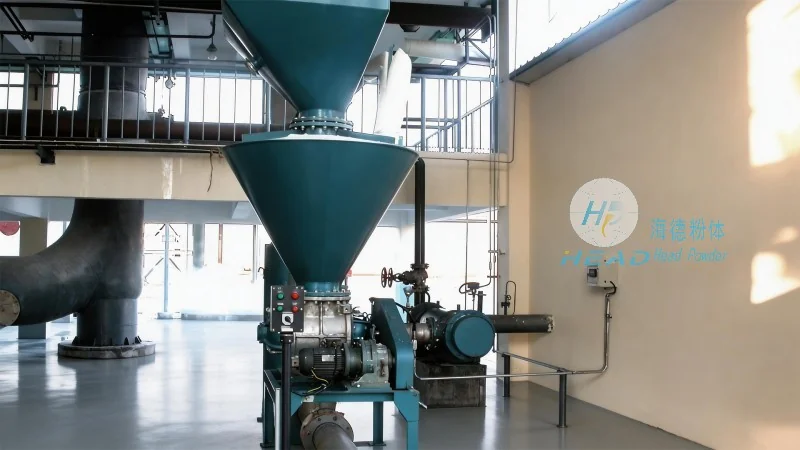
Understanding Flake Graphite Material Handling
Flake graphite, a naturally occurring form of graphite with distinct plate-like or flake structures, is widely used in various industrial applications due to its excellent electrical conductivity, thermal stability, and lubricating properties. Material handling for flake graphite involves the efficient movement of these flakes from one location to another, often within processing plants or manufacturing facilities. The primary goal is to ensure that the material is transported without damage, contamination, or loss, while maintaining operational efficiency and safety standards.
Key Design Principles for Flake Graphite Material Handling
The design of flake graphite material handling systems relies on several critical principles to achieve optimal performance. First, the selection of appropriate equipment is paramount. Common equipment includes conveyor belts, screw conveyors, and pneumatic transport systems, each chosen based on the specific characteristics of the flake graphite, such as particle size, moisture content, and bulk density. For instance, conveyor belts are often preferred for larger flakes due to their ability to handle heavy loads and minimize material degradation. Screw conveyors, on the other hand, are suitable for smaller particles and can provide consistent, low-speed transport with minimal risk of breakage.
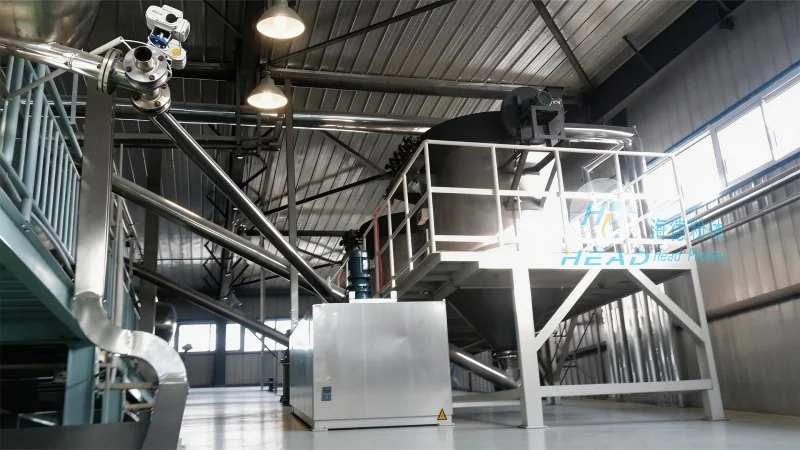
Second, the importance of material flow and containment cannot be overstated. Flake graphite is prone to dust generation and can be easily contaminated by external particles. Therefore, design principles emphasize the use of sealed systems, such as enclosed conveyor belts or airtight hoppers, to prevent dust release and maintain material purity. Additionally, the design must account for the material's tendency to stick to surfaces, which can lead to blockages or uneven flow. Anti-stick coatings or lubricated surfaces are often incorporated into the equipment to mitigate this issue.
Third, the integration of control systems and monitoring is essential for maintaining operational efficiency. Modern material handling systems for flake graphite typically include sensors and control panels that monitor flow rates, pressure, and temperature in real-time. These systems allow operators to adjust parameters dynamically, ensuring that the material is transported at optimal speeds and under controlled conditions. Furthermore, the design may incorporate safety features, such as emergency stop buttons and overfill protection, to prevent accidents and protect personnel.
Practical Considerations in Flake Graphite Material Handling
When implementing flake graphite material handling systems, several practical considerations must be addressed to ensure long-term reliability and performance. One critical factor is the maintenance of equipment. Due to the abrasive nature of flake graphite, components such as conveyor belts and screw flights may wear out faster than with other materials. Regular inspection and replacement of worn parts are necessary to avoid downtime and maintain consistent material flow. Additionally, the system must be designed to handle variations in material properties, such as changes in moisture content or particle size, which can affect flow characteristics.
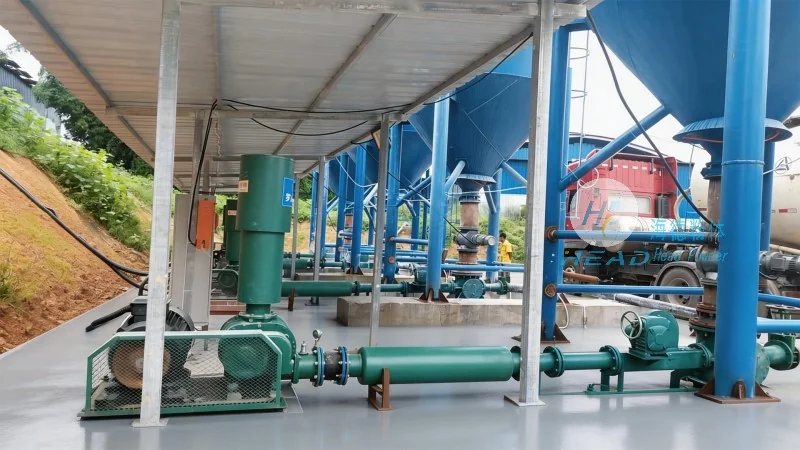
Another consideration is the environmental impact of material handling. Flake graphite is a valuable resource, and the design should minimize waste and energy consumption. Energy-efficient motors and variable speed drives are often used to reduce power usage while maintaining the required transport capacity. Furthermore, dust control measures, such as filtration systems and local exhaust ventilation, are essential to comply with environmental regulations and protect the health of workers.
In conclusion, flake graphite material handling is a specialized field that requires careful consideration of material properties, equipment selection, and design principles. By adhering to these guidelines, manufacturers can ensure that flake graphite is transported efficiently, safely, and without compromising its quality. HeadPowder, with its expertise in the field, continues to provide innovative solutions that meet the evolving needs of the industry.