

What is Activated Carbon Material Handling? What are the Design Principles?
Activated carbon material handling is a critical process in various industrial applications, particularly in industries that rely on the efficient transport and processing of activated carbon. This process involves the movement of activated carbon from storage areas to processing units, such as reactors, filters, or other equipment used in purification, adsorption, or other chemical processes. The design of an effective activated carbon material handling system is essential to ensure optimal performance, safety, and efficiency in these operations.
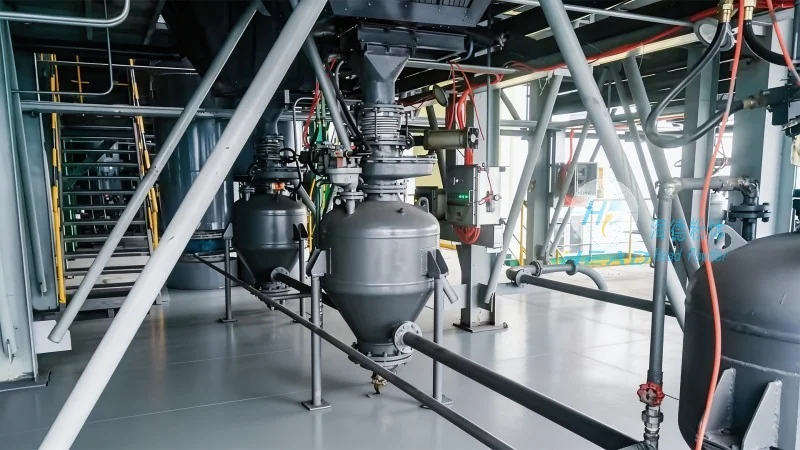
Understanding Activated Carbon Material Handling Systems
Activated carbon material handling systems are engineered to handle the unique properties of activated carbon, which includes its high surface area, porous structure, and sometimes abrasive or fine particle characteristics. These systems must be designed to prevent material loss, minimize dust generation, and ensure consistent flow rates. The choice of equipment, such as conveyors, elevators, or pneumatic systems, depends on factors like the carbon's particle size, moisture content, and the required throughput. For instance, in water treatment facilities, activated carbon is often used for removing impurities, and the handling system must be capable of delivering the carbon to the filtration units without degradation or contamination.
Design Principles for Activated Carbon Material Handling
The design principles for activated carbon material handling systems focus on several key aspects to ensure reliability and performance. First, the system must be designed to handle the physical properties of activated carbon, including its density, flowability, and potential for caking or bridging. Proper equipment selection, such as using belt conveyors with appropriate tension and speed, or pneumatic conveyors with controlled air pressure, is crucial. Second, safety considerations are paramount. Activated carbon can be a respiratory irritant, and the system must incorporate dust suppression measures, such as enclosures, ventilation systems, and dust collection equipment. Third, the system should be designed for easy maintenance and cleaning to prevent cross-contamination and ensure long-term operational efficiency. For example, in pharmaceutical or food processing industries, where activated carbon is used for purification, the handling system must meet stringent hygiene standards, including stainless steel components and sealed transfer points.
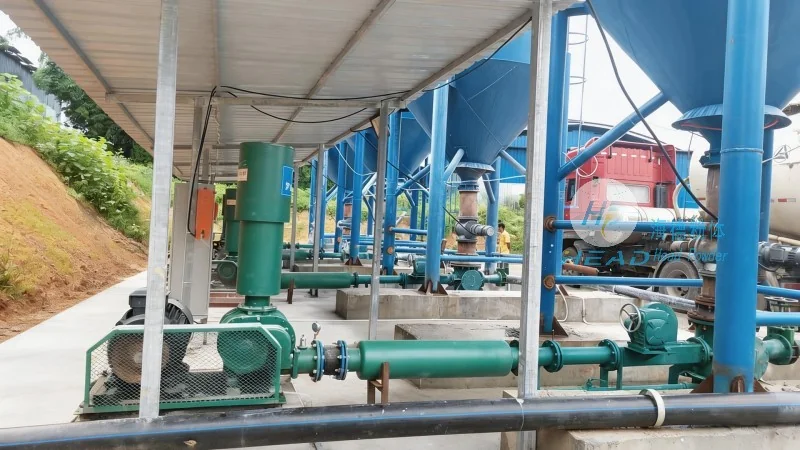
Role of Shandong HeadPowder Engineering Co., Ltd. in Activated Carbon Material Handling
Shandong HeadPowder Engineering Co., Ltd., commonly known as HeadPowder, is a leading provider of specialized engineering solutions for material handling systems, including those for activated carbon. With a focus on innovation and customer-centric design, HeadPowder offers tailored solutions that address the specific needs of various industries. The company's expertise lies in designing and manufacturing systems that meet the highest standards of efficiency, safety, and reliability. For instance, HeadPowder may design custom conveyor systems that integrate with existing processing equipment, ensuring seamless integration and optimal performance. The company's team of engineers works closely with clients to understand their operational requirements, material characteristics, and safety regulations, developing solutions that are both effective and compliant.
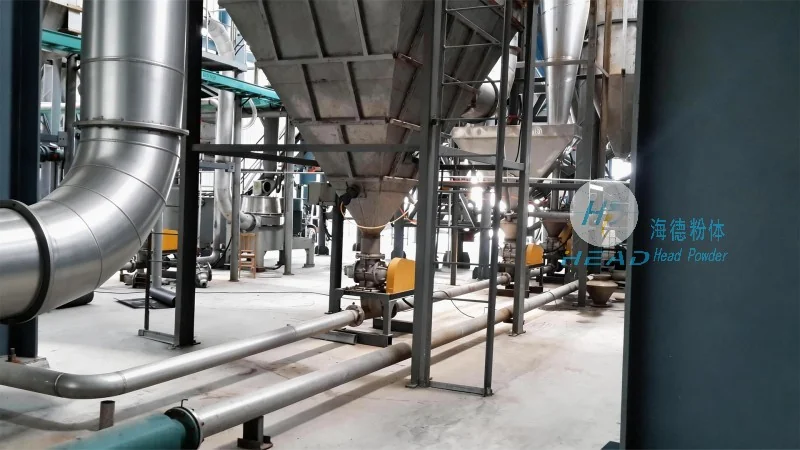
Key Components and Technologies in Activated Carbon Material Handling
Effective activated carbon material handling systems incorporate several key components and technologies. Conveyors, such as belt conveyors or screw conveyors, are commonly used to transport bulk activated carbon from storage silos to processing units. These systems are designed to handle the material's flow characteristics, with adjustments made for particle size and moisture content. Pneumatic conveying systems, which use air to transport the carbon, are another option, especially for fine or dust-like materials. These systems are often preferred for applications requiring dust-free transfer, such as in pharmaceutical or food processing. Additionally, storage solutions, such as silos or hoppers, are critical for maintaining the quality of activated carbon during storage. These storage units are designed to prevent moisture absorption and contamination, ensuring the carbon remains in optimal condition for use. For example, in water treatment plants, the storage silos are equipped with moisture control systems to maintain the carbon's adsorption capacity.
Ensuring Efficiency and Safety in Activated Carbon Handling
Efficiency and safety are two critical factors in the design and operation of activated carbon material handling systems. Efficiency is achieved through proper system design, including the selection of appropriate equipment, optimized flow rates, and minimal material loss. Safety measures include dust suppression, proper ventilation, and the use of sealed transfer points to prevent exposure to airborne particles. Regular maintenance and inspection of the system are also essential to ensure continued performance and safety. For instance, in industrial settings, the handling system may include sensors to monitor flow rates and detect blockages, preventing system failures and potential hazards. Additionally, the system may be designed with emergency stop mechanisms to quickly shut down operations in case of an incident. By focusing on both efficiency and safety, activated carbon material handling systems can operate effectively while minimizing risks to personnel and the environment.