

What is Silage Material Handling? And What Are Its Design Principles?
Silage material handling is a critical aspect of modern agricultural practices, especially in dairy and livestock farming where large volumes of forage need to be processed, transported, and stored efficiently. Silage, a fermented feed made from crops like corn, alfalfa, or grass, requires specialized equipment to manage its unique properties—such as high moisture content, fibrous texture, and the need for consistent processing to preserve nutritional value. This article explores the fundamentals of silage material handling systems and the key design principles that guide their development and operation.
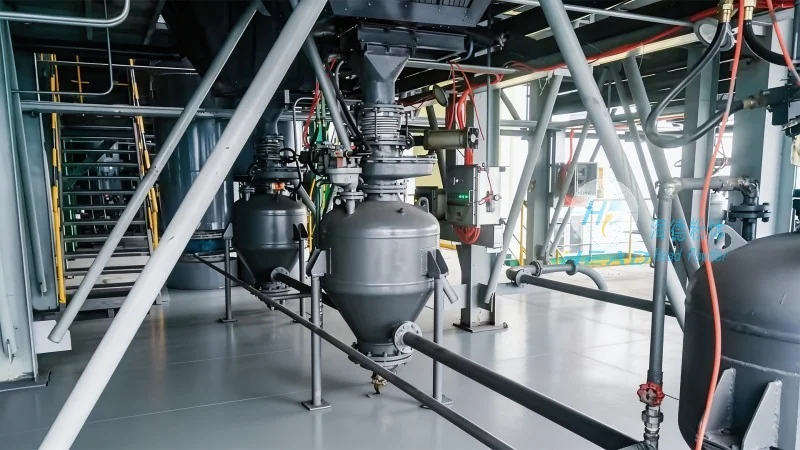
Introduction to Silage Material Handling Systems
A silage material handling system encompasses the entire process from forage harvesting to storage and feeding. These systems are designed to streamline operations, reduce labor costs, and minimize losses during the handling of silage. The primary goal is to ensure that the forage is processed uniformly, stored under anaerobic conditions to prevent spoilage, and fed to animals in a controlled manner. A well-designed system integrates various components, including harvesters, conveyors, storage structures, and feeding equipment, to create a seamless workflow from the field to the barn.
About Shandong HeadPowder Engineering Co., Ltd.
HeadPowder, a leading manufacturer based in Shandong, China, specializes in the design and production of advanced agricultural machinery, including silage material handling systems. With decades of experience in the industry, HeadPowder has established a reputation for delivering high-quality, reliable equipment tailored to the specific needs of agricultural operations. The company’s commitment to innovation, customer satisfaction, and adherence to international standards has made it a trusted partner for farmers and agricultural businesses worldwide.
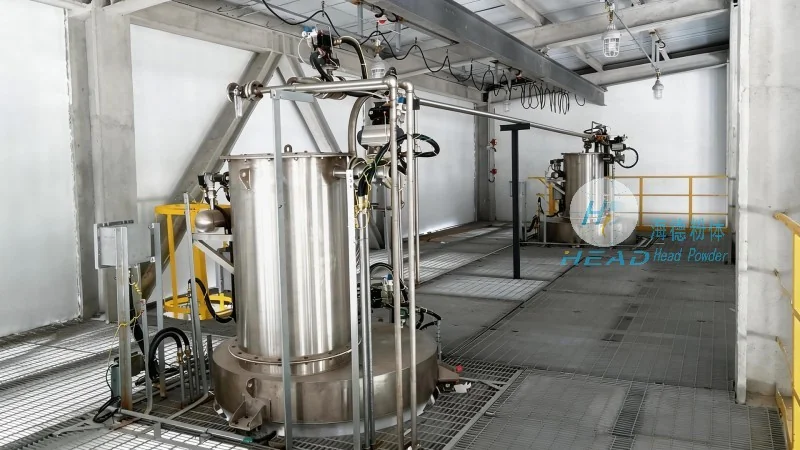
Key Components of Silage Material Handling Systems
Silage material handling systems typically consist of several interconnected components, each playing a vital role in the overall process. The main components include:
- Forage Harvesters: These machines cut the crops at the optimal stage of maturity and chop them into small pieces. The chop size is critical, as it influences the fermentation process and the animal's ability to digest the silage. Modern harvesters often feature adjustable choppers and processing units to handle different crop types.
- Conveyor Systems: Conveyors are used to transport the chopped silage from the harvester to the storage silo or bale wrapper. These systems can be horizontal, vertical, or a combination of both, depending on the farm layout and storage structure. Common types include auger conveyors, belt conveyors, and chain conveyors, each with specific advantages for different applications.
- Storage Structures: Silage is commonly stored in silos, bags, or bales. The choice of storage method depends on the volume of silage produced and the available space on the farm. Vertical silos are widely used for large-scale operations, while horizontal silos or bale wrappers are suitable for smaller farms. These structures are designed to maintain anaerobic conditions, which are essential for preserving the silage's nutritional value.
- Feeding Equipment: Once the silage is stored, it needs to be fed to the animals. This may involve silage feeders, which dispense the silage in controlled portions to ensure consistent feeding and minimize waste. Feeders can be automated or manual, depending on the farm's size and operational needs.
Design Principles for Silage Material Handling Systems
The design of a silage material handling system is guided by several key principles to ensure efficiency, reliability, and cost-effectiveness. These principles include:
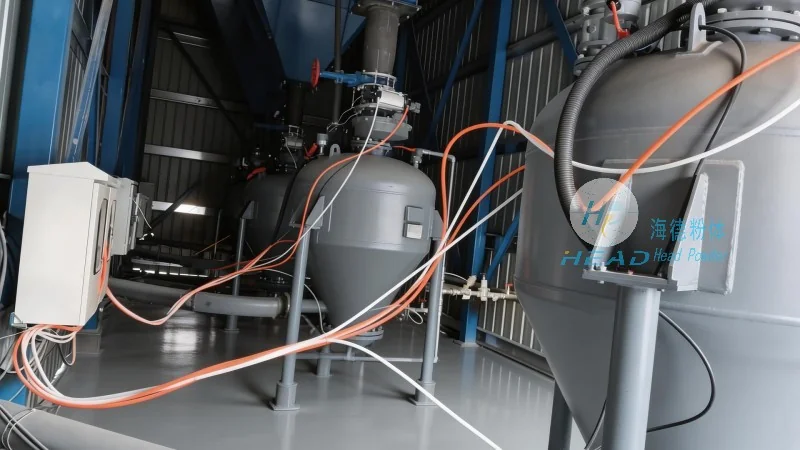
- Efficiency and Throughput: The system must be capable of handling the required volume of silage within a reasonable time frame. This involves selecting appropriate conveyor capacities, motor power, and equipment speeds to match the farm's production levels. Efficient design minimizes downtime and ensures continuous operation.
- Material Handling and Preservation: The system must minimize damage to the silage during transport and processing. This requires the use of non-corrosive, durable materials for components like conveyors and storage structures. Additionally, the system should maintain anaerobic conditions to prevent spoilage and preserve the nutritional value of the forage. Proper sealing and airtight designs are critical in this regard.
- Space Optimization: Given the limited space on many farms, the design must maximize the use of available area. This may involve vertical or compact designs for conveyors and storage structures, or modular systems that can be expanded as the farm grows. Space-saving solutions are particularly important for smaller operations.
- Reliability and Durability: The equipment must withstand the harsh conditions of agricultural operations, including exposure to moisture, dust, and heavy use. High-quality materials, robust construction, and regular maintenance are essential to ensure long-term performance and minimize breakdowns. Reliable systems reduce operational disruptions and lower maintenance costs.
- Cost-Effectiveness: The system should provide a good return on investment by reducing labor costs, minimizing waste, and improving overall farm efficiency. This involves balancing the initial cost of the equipment with its long-term operational benefits. Economical designs often prioritize energy efficiency and low maintenance requirements.
Application of Silage Material Handling Systems
Silage material handling systems are used in a wide range of agricultural settings, from small family farms to large commercial operations. They are particularly important in dairy farming, where high-quality forage is essential for milk production. The systems are also utilized in beef, swine, and other livestock operations, as well as in feedlots and agricultural cooperatives. The effectiveness of a silage handling system depends on its ability to handle the specific characteristics of the forage being processed. For example, corn silage requires different chopping sizes and handling methods compared to alfalfa or grass silage. Additionally, the system must be adaptable to changes in farm size, production levels, and storage requirements.
Conclusion
Silage material handling is a cornerstone of modern agricultural operations, and the design of an effective system requires careful consideration of several key factors. By understanding the principles of silage handling and selecting the appropriate equipment, farmers can improve the efficiency of their operations, reduce costs, and ensure the nutritional quality of their forage. Companies like Shandong HeadPowder Engineering Co., Ltd. play a vital role in providing the advanced machinery needed to meet these challenges and support the growth of the agricultural industry. With a focus on innovation and customer-centric solutions, HeadPowder continues to advance the technology of silage material handling, helping farmers around the world optimize their operations and enhance productivity.