

What is Ternary Lithium Material Handling? And What Are Its Design Principles?
Understanding the intricacies of ternary lithium material handling is crucial for industries that rely on efficient and reliable battery component transportation. This article delves into the fundamental aspects of ternary lithium material handling systems, exploring their design principles and operational frameworks. By examining the core components and functional mechanisms, we aim to provide a comprehensive overview that caters to professionals seeking to enhance their understanding of this specialized field, with insights from Shandong HeadPowder Engineering Co., Ltd., a leading provider of advanced material handling solutions.
Introduction to Ternary Lithium Material Handling
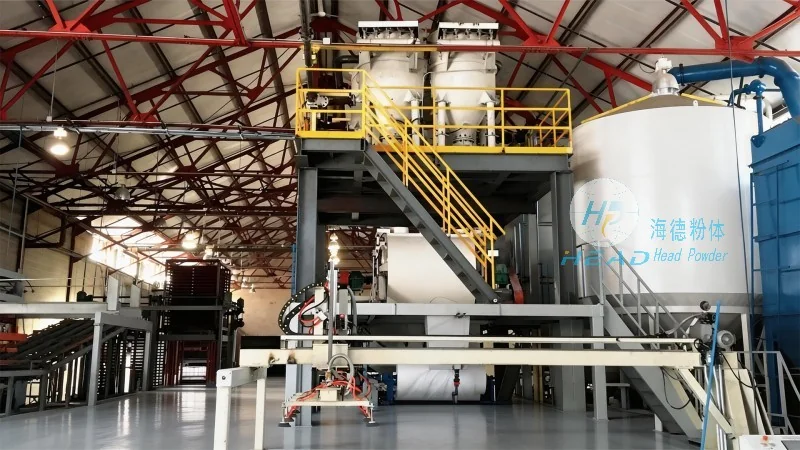
Ternary lithium batteries, known for their high energy density and performance, are integral to modern electric vehicles and renewable energy storage systems. The efficient handling of these batteries and their components requires specialized equipment and systems designed to ensure safety, precision, and durability. Ternary lithium material handling encompasses the processes involved in transporting, storing, and managing raw materials, intermediate products, and finished battery cells. This involves a range of machinery, from conveyor systems and robotic arms to automated storage and retrieval systems (AS/RS). The design of these systems must align with the unique properties of ternary lithium materials, such as their chemical stability and physical dimensions, to prevent damage and ensure optimal performance.
Key Design Principles for Ternary Lithium Material Handling
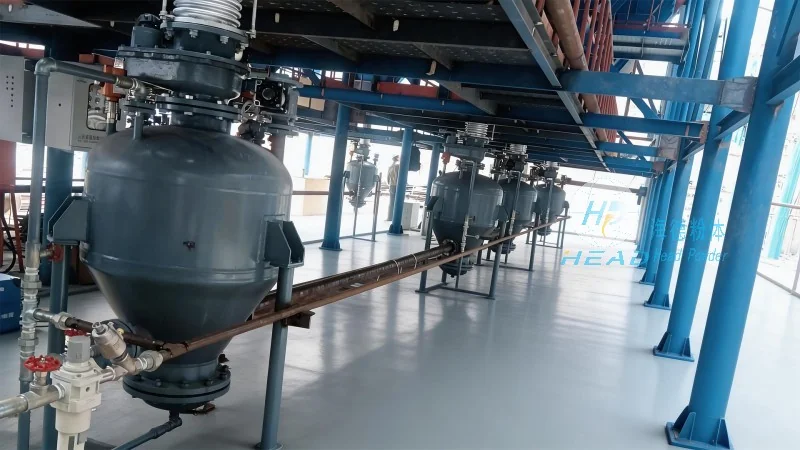
The design of ternary lithium material handling systems is guided by several critical principles that prioritize safety, efficiency, and scalability. First, the system must adhere to strict safety protocols to mitigate risks associated with lithium battery handling, including thermal runaway and chemical hazards. This involves incorporating features like temperature monitoring, fire suppression systems, and secure containment measures. Second, the design emphasizes precision and accuracy to minimize material handling errors, which can lead to battery defects or operational failures. Automated control systems, sensor technology, and real-time monitoring are integral to achieving this level of precision. Third, the system is designed for scalability, allowing it to adapt to varying production volumes and future expansion needs. Modular components and flexible configurations enable manufacturers to adjust the system as their operations grow. Additionally, the design considers energy efficiency, optimizing power consumption and reducing operational costs. By integrating energy-saving technologies like variable frequency drives (VFDs) and efficient motor systems, the overall energy footprint of the material handling process is minimized.
Core Components and Functional Mechanisms
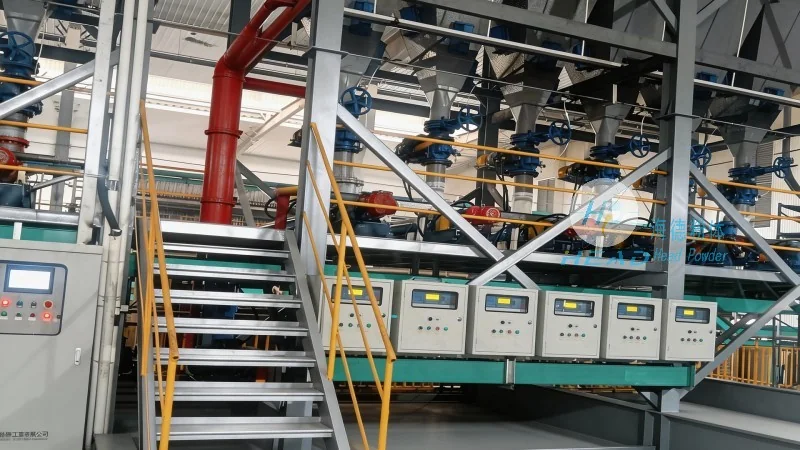
Ternary lithium material handling systems typically consist of several interconnected components that work in harmony to achieve seamless material flow. The primary components include: 1. **Conveyor Systems**: These are the backbone of material handling, transporting materials from one stage to another. Belt conveyors, chain conveyors, and roller conveyors are commonly used, depending on the material type and weight. For lithium batteries, which are often lightweight and sensitive, belt conveyors with smooth surfaces and low friction are preferred to prevent surface damage. 2. **Robotic Handling Equipment**: Robotic arms and automated guided vehicles (AGVs) are used for tasks that require precision and flexibility, such as picking, placing, and sorting battery cells. These robots are equipped with sensors and vision systems to ensure accurate positioning and avoid collisions. 3. **Automated Storage and Retrieval Systems (AS/RS)**: AS/RS are used for high-density storage of raw materials and finished products. These systems use vertical lifts and horizontal carousels to maximize storage space while enabling rapid retrieval. 4. **Material Handling Software**: Integrated software platforms manage the entire material flow, from order processing to inventory tracking. This software optimizes routes, schedules, and resource allocation, enhancing overall system efficiency. The functional mechanisms of these components involve coordinated movements and real-time data exchange. For example, a conveyor system may trigger a robotic arm to pick a battery cell once it reaches a designated position. The software then updates the inventory status, ensuring that the system remains synchronized and responsive.
Advantages and Applications in Industrial Settings
The implementation of ternary lithium material handling systems offers numerous advantages for industrial applications. One of the key benefits is enhanced safety, as automated systems reduce the risk of human error and exposure to hazardous materials. This is particularly important in lithium battery manufacturing, where even minor mishandling can lead to significant safety incidents. Another advantage is improved efficiency, with automated systems capable of handling materials at higher speeds and with greater consistency than manual methods. This leads to reduced production times and increased output. The scalability of these systems allows manufacturers to adapt to changing production demands, making them suitable for both small-scale and large-scale operations. Additionally, the precision of automated handling minimizes material waste and defects, improving product quality and reducing costs. Ternary lithium material handling systems are widely used in battery manufacturing plants, where they handle raw materials like lithium compounds, nickel, cobalt, and manganese, as well as intermediate products like electrode sheets and finished battery cells. They are also utilized in logistics and distribution centers that transport completed batteries to end-users.
Conclusion and Future Outlook
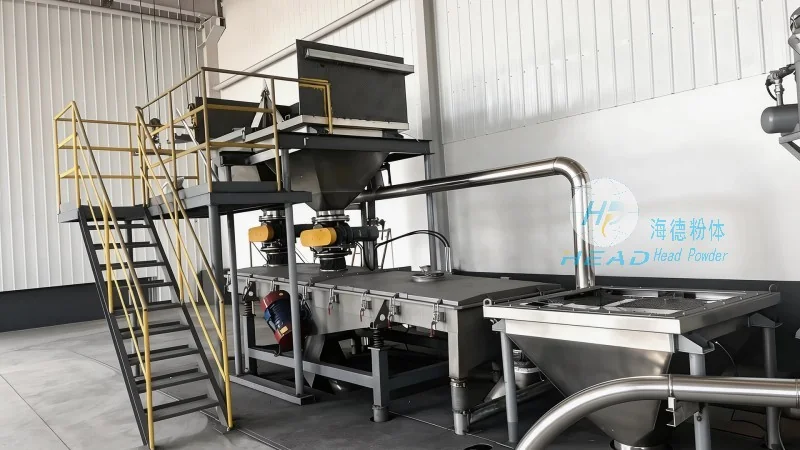
In conclusion, ternary lithium material handling systems are sophisticated solutions designed to meet the demanding requirements of modern battery manufacturing. By adhering to key design principles such as safety, precision, scalability, and energy efficiency, these systems ensure the reliable and efficient transportation of ternary lithium materials. The integration of advanced technologies, including robotics, automation, and software, continues to enhance the capabilities of these systems, making them indispensable in the battery industry. As the demand for lithium batteries grows, the importance of efficient material handling will only increase, driving further innovation in this field. For industries seeking to optimize their battery production processes, understanding and implementing ternary lithium material handling systems is a critical step toward achieving operational excellence.