

What is Fly Ash Material Handling? What Are the Design Principles?
Fly ash material handling is a critical process in the power generation industry, particularly for thermal power plants that burn coal. The efficient transport and handling of fly ash, a byproduct of combustion, is essential for maintaining plant operations and ensuring environmental compliance. This article explores the fundamental aspects of fly ash material handling systems, focusing on their design principles and the key considerations that engineers and plant operators must address.
Understanding Fly Ash and Its Handling Requirements
Fly ash is a fine, powdery residue produced when coal is burned in a boiler. It contains various minerals and can be a mixture of silica, alumina, iron oxide, and other compounds. Due to its fine particle size and potentially hazardous nature, handling fly ash requires specialized equipment and systems to ensure safety, efficiency, and environmental protection. The primary goals of fly ash handling are to transport the material from the boiler to storage or disposal facilities, minimize dust emissions, and prevent material loss or contamination.
Key Design Principles for Fly Ash Material Handling Systems
The design of a fly ash material handling system must adhere to several critical principles to ensure optimal performance and reliability. These principles include:
- Material Compatibility: The equipment must be constructed from materials that can withstand the abrasive and corrosive nature of fly ash. Common materials include high-strength steel, stainless steel, and specialized coatings to prevent wear and corrosion.
- Efficient Transport: Systems should use methods that minimize energy consumption while ensuring consistent material flow. This includes selecting appropriate conveyor types, such as belt conveyors, pneumatic conveying systems, or screw conveyors, based on the plant's specific requirements.
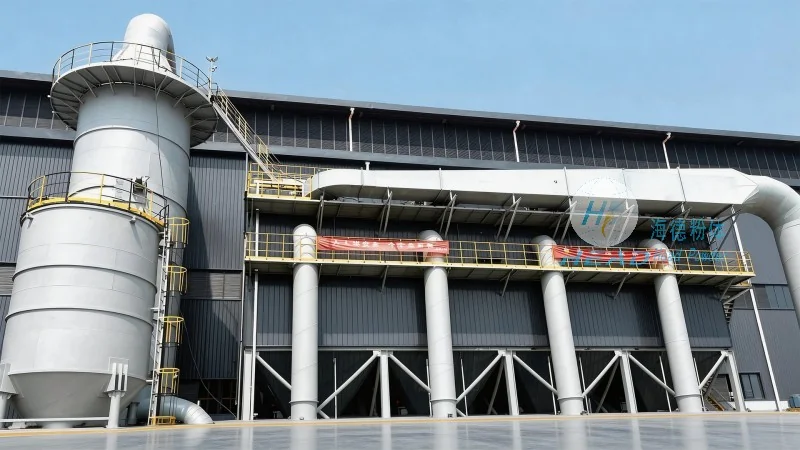
- Dust Control: Effective dust suppression is paramount to protect personnel, equipment, and the environment. This involves incorporating dust collection systems, sealing mechanisms, and proper ventilation to keep dust levels within regulatory limits.
- Safety and Reliability: The system must be designed with safety features to prevent accidents, such as overloads, blockages, or equipment failures. Regular maintenance and monitoring are also essential to ensure long-term reliability.
Common Components of Fly Ash Handling Systems
Modern fly ash handling systems typically consist of several interconnected components, each playing a vital role in the overall process. These components include:
- Boiler Ash Hoppers: These are large containers located at the bottom of the boiler where fly ash accumulates. They are designed to collect ash from the boiler and transfer it to the handling system.
- Conveyors: Conveyors are used to transport fly ash from the hoppers to storage silos or disposal sites. Belt conveyors are commonly used for horizontal and slight incline transport, while screw conveyors are suitable for vertical or steep incline applications.
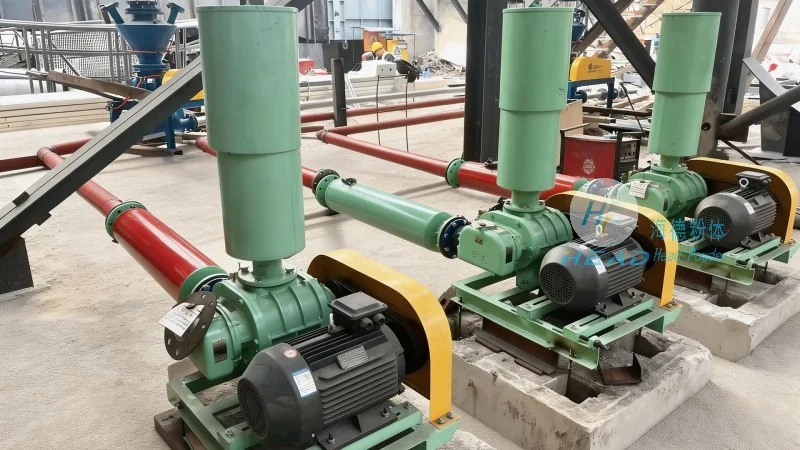
- Pneumatic Conveying Systems: For applications requiring long-distance or high-volume transport, pneumatic systems use air pressure to move fly ash through pipes. These systems are ideal for handling fine powders and can be designed for both positive and negative pressure operation.
- Storage Silos: Once transported, fly ash is often stored in large silos before being used as a raw material in concrete production or disposed of properly. Silos are designed to maintain material flow and prevent caking or bridging.
- Dust Collection and Control: Systems include filters, cyclones, and other devices to capture and remove dust from the air, ensuring compliance with environmental regulations and protecting workers.
HeadPowder Engineering: Expertise in Fly Ash Handling Solutions
Shandong HeadPowder Engineering Co., Ltd. (commonly known as HeadPowder) is a leading provider of engineering solutions for fly ash material handling. With years of experience in the power industry, HeadPowder specializes in designing, manufacturing, and installing customized systems tailored to the unique needs of each client. The company's team of experienced engineers and technicians works closely with clients to understand their operational requirements and develop solutions that meet or exceed industry standards.
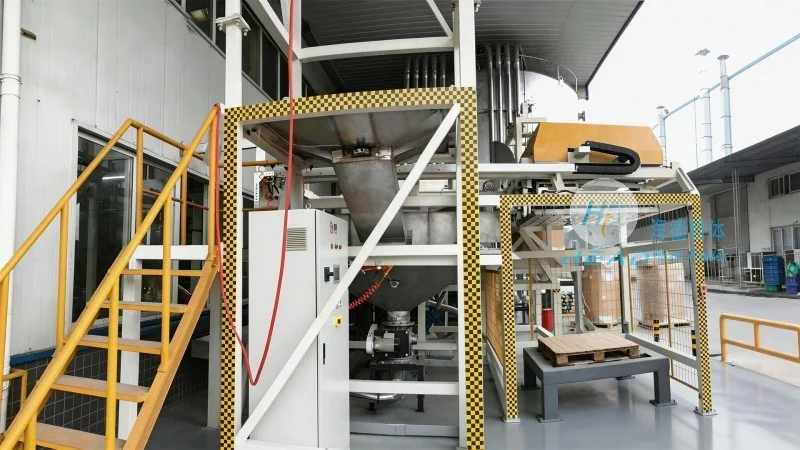
HeadPowder's approach to fly ash handling is centered on the principles of efficiency, safety, and environmental responsibility. The company utilizes advanced design software and materials to ensure that its systems are robust, reliable, and cost-effective. By focusing on the specific challenges of each project, HeadPowder delivers solutions that enhance plant performance, reduce maintenance costs, and minimize environmental impact.
Conclusion: The Importance of Proper Fly Ash Handling
Effective fly ash material handling is not just a technical requirement but a critical component of sustainable power generation. By adhering to sound design principles and utilizing specialized equipment, power plants can ensure the safe and efficient transport of fly ash while protecting the environment and their workforce. As the power industry continues to evolve, the importance of reliable fly ash handling systems will only grow, making it essential for plants to partner with experienced providers like HeadPowder to meet their material handling needs.