

What is Formulation Mixing and Material Conveying? And What Are the Design Principles?
Formulation mixing and material conveying represent essential operations in many industrial processes, especially those involving the blending of raw materials to achieve desired product characteristics. The accuracy and efficiency of these processes are paramount, as they directly influence the quality, consistency, and overall performance of the final output. This article delves into the core aspects of formulation mixing and material conveying, examining the underlying design principles that ensure optimal functionality and reliability.
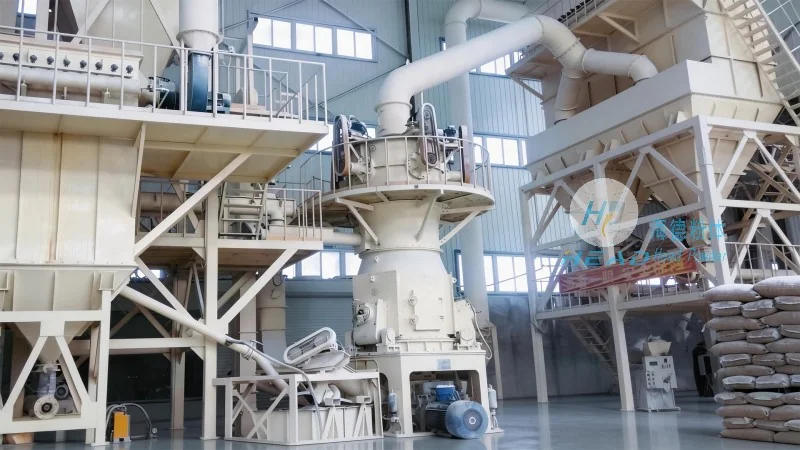
Understanding Formulation Mixing
Formulation mixing involves the combination of various raw materials into a homogeneous mixture, which is crucial for achieving uniform properties in the final product. The process requires careful consideration of several factors, including the physical properties of the materials (such as particle size, density, and flowability), the desired mixing intensity, and the scale of production. Effective formulation mixing systems must be designed to handle these variables while maintaining product integrity and minimizing contamination risks.
Key Design Principles for Mixing Systems
Designing an efficient formulation mixing system relies on several fundamental principles. First, the selection of appropriate mixing equipment is critical. Different types of mixers, such as ribbon mixers, paddle mixers, or high-shear mixers, are chosen based on the specific characteristics of the materials being processed. For instance, high-shear mixers are ideal for emulsifying liquids or dispersing powders, while ribbon mixers are suitable for gentle blending of dry powders. Second, the design must consider the geometry of the mixing chamber, including its volume, shape, and internal components like baffles or choppers, which influence the flow patterns and mixing efficiency. Third, the control of mixing parameters, including speed, time, and temperature, is essential to achieve the desired degree of homogeneity without causing degradation or overmixing. Finally, the integration of proper material handling and discharge mechanisms ensures smooth operation and prevents material buildup or segregation.
Material Conveying in Formulation Processes
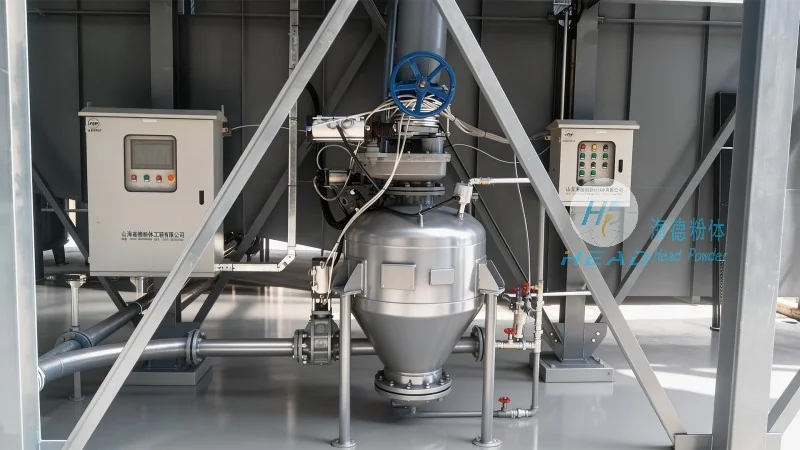
Material conveying is the process of transporting raw materials or intermediate products from one point to another within a production facility. This step is vital for maintaining the flow of materials and ensuring that the mixing process receives the necessary inputs in a timely manner. Conveying systems must be designed to handle a wide range of materials, from fine powders to bulk solids, while minimizing dust generation, product degradation, and energy consumption. The choice of conveying method depends on factors like material properties, distance, and required throughput. Common conveying technologies include screw conveyors, belt conveyors, pneumatic conveyors, and bucket elevators, each with its own advantages and limitations.
Design Principles for Conveying Systems
The design of material conveying systems follows specific principles to ensure reliable and efficient operation. First, the selection of the appropriate conveying technology is based on the material's characteristics, such as its flowability, moisture content, and particle size. For example, screw conveyors are well-suited for handling dry, free-flowing powders, while pneumatic conveyors are ideal for transporting fine powders or granules over longer distances. Second, the system must be designed to minimize friction and wear, as excessive wear can lead to material degradation or equipment failure. This involves selecting appropriate materials for the conveyor components, such as stainless steel or special alloys, and ensuring proper maintenance. Third, the control of conveying speed and volume is crucial to maintain a consistent flow rate and prevent overloading or underloading of the downstream processes. Finally, the integration of safety features, such as dust collection systems and emergency stop mechanisms, is essential to protect both the equipment and personnel.
Integration of Mixing and Conveying Systems
In many industrial applications, formulation mixing and material conveying are not independent processes but are integrated into a single system. This integration allows for seamless material flow from raw material storage to the mixing chamber and then to the final product. The design of such integrated systems requires careful coordination of the mixing and conveying equipment to ensure that the material is conveyed at the right rate and in the correct condition for mixing. For instance, a screw conveyor may feed a ribbon mixer, with the speed of the conveyor adjusted to match the mixing speed of the mixer. This coordination ensures that the mixing process operates at optimal efficiency, minimizing downtime and maximizing productivity.
Applications and Industries
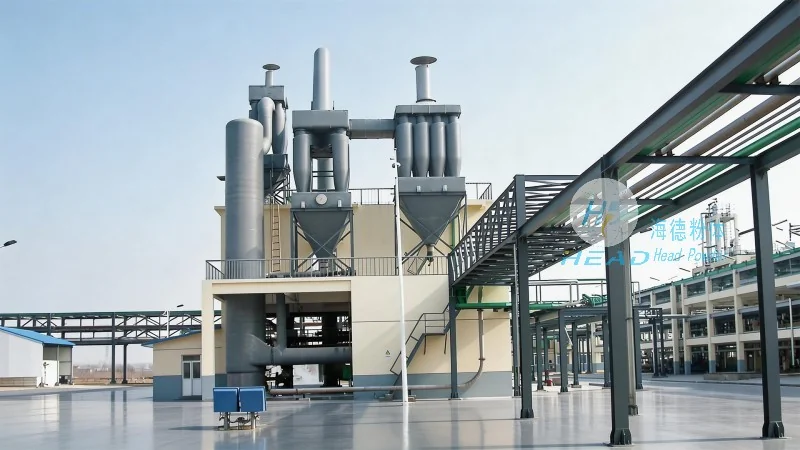
Formulation mixing and material conveying are widely used across various industries, including pharmaceuticals, food and beverage, chemicals, and cosmetics. In the pharmaceutical industry, for example, precise mixing of active ingredients and excipients is critical to ensure the efficacy and safety of medications. The design of pharmaceutical mixing systems must adhere to stringent regulatory standards, such as those set by the FDA or EMA, to guarantee product quality and consistency. Similarly, in the food industry, mixing and conveying systems are used to blend ingredients for baked goods, beverages, and other food products, where uniformity and freshness are key. The chemical industry also relies heavily on these processes for the production of various chemicals, where the accurate blending of reactants is essential for reaction efficiency and product purity.
Conclusion
Formulation mixing and material conveying are fundamental processes that underpin the success of many industrial operations. The design principles discussed in this article highlight the importance of selecting appropriate equipment, considering material properties, and integrating control systems to achieve optimal performance. As a leading provider of engineering solutions, Shandong HeadPowder Engineering Co., Ltd. specializes in designing and manufacturing high-quality equipment for these processes, ensuring that clients can meet their production goals with efficiency and reliability. With its expertise and commitment to innovation, HeadPowder continues to play a vital role in supporting the needs of industries worldwide.