

What Are Cotton Seed Material Handling Equipment? And What Are Their Design Principles?
When it comes to processing cotton seeds, efficient material handling is crucial for optimizing production lines and ensuring smooth workflow. Cotton seed material handling equipment plays a vital role in this process, facilitating the movement, storage, and distribution of cotton seed materials with precision and reliability. Understanding what these equipment are and how they are designed is essential for anyone involved in the cotton seed processing industry.
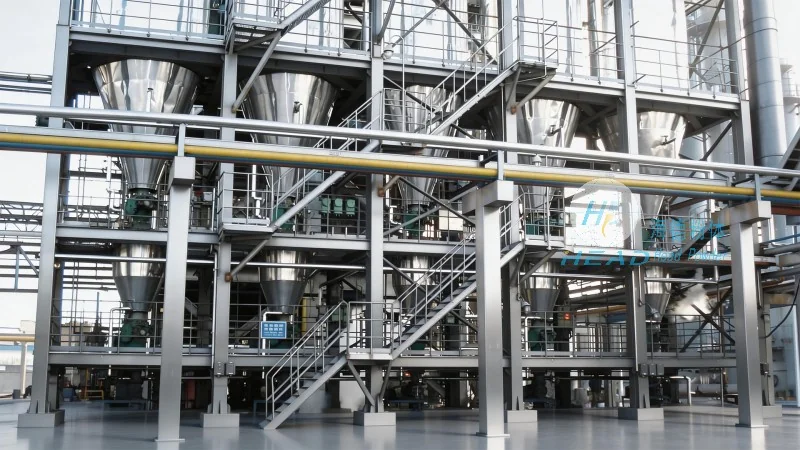
Cotton Seed Material Handling Equipment: An Overview
Cotton seed material handling equipment encompasses a range of machinery and systems designed to handle cotton seed from the point of arrival at a processing facility to the point of use in subsequent production stages. These systems are engineered to address the unique challenges posed by cotton seed, such as their size, shape, and moisture content. The primary goal of these equipment is to ensure that cotton seed is moved safely, efficiently, and in a manner that preserves its quality and integrity.
The Design Principles Behind Cotton Seed Material Handling Equipment
The design of cotton seed material handling equipment is guided by several key principles that prioritize functionality, durability, and operational efficiency. One of the fundamental principles is the need for gentle handling, as cotton seed can be delicate and prone to damage if subjected to excessive force or impact. This is achieved through the use of specialized components like rubber or plastic liners, soft-edged hoppers, and low-friction conveyor belts that minimize abrasion and prevent seed breakage.
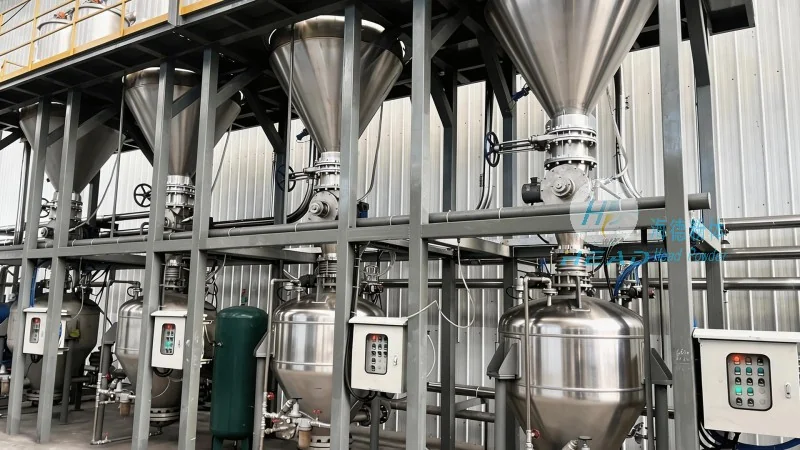
Another critical design principle is the adaptation to the physical characteristics of cotton seed. Cotton seeds vary in size and shape, and equipment must be able to accommodate these variations without causing blockages or inefficiencies. This often involves the use of adjustable feed mechanisms, variable-speed conveyors, and flexible chutes that can be reconfigured to handle different seed types and sizes. Additionally, the design considers the moisture content of cotton seeds, as high moisture levels can affect the equipment's performance and require specialized materials or coatings to prevent corrosion or degradation.
Key Components and Their Functions in Cotton Seed Material Handling Systems
Modern cotton seed material handling equipment typically consists of several interconnected components, each with a specific function. The primary components include feeders, conveyors, elevators, storage silos, and sorting or screening units. Feeders are responsible for controlling the flow of cotton seed into the system, ensuring a consistent and controlled input rate. Conveyors, such as belt or chain conveyors, transport the seed horizontally or at an incline, while elevators, like bucket elevators or screw conveyors, lift the seed vertically to different levels of the processing facility.
Storage silos are used to temporarily hold large quantities of cotton seed, providing a buffer between the incoming supply and the processing operations. These silos are often equipped with aeration systems to maintain optimal moisture levels and prevent spoilage. Sorting or screening units are used to separate impurities from the cotton seed, ensuring that only high-quality seed is used in the final products. These units may use air classifiers, vibrating screens, or magnetic separators to remove foreign materials like dirt, stones, or metal fragments.
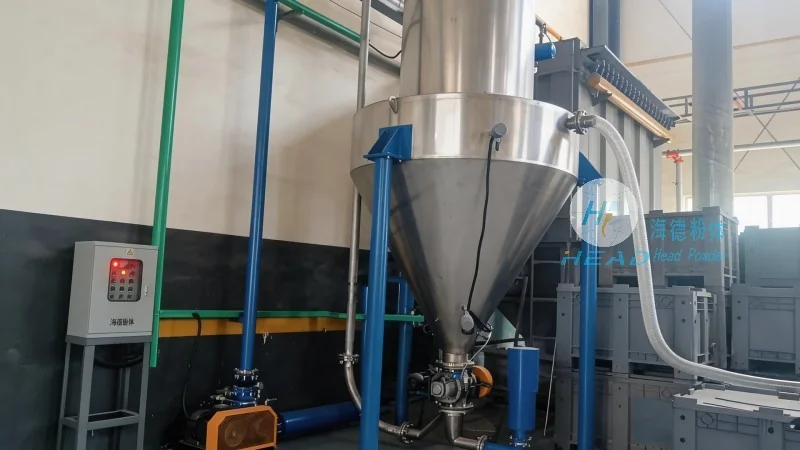
How Shandong HeadPowder Engineering Co., Ltd. Designs and Manufactures Cotton Seed Material Handling Equipment
Shandong HeadPowder Engineering Co., Ltd., a leading manufacturer based in China, specializes in the design and production of cotton seed material handling equipment. With years of experience in the industry, the company has developed a deep understanding of the unique requirements of cotton seed processing and has engineered equipment that meets the highest standards of performance and reliability. The company's design philosophy focuses on creating customized solutions that address the specific needs of each client, ensuring that the equipment is tailored to the size of the facility, the volume of seed being processed, and the desired production output.
HeadPowder's engineers work closely with clients to understand their operational challenges and develop equipment that maximizes efficiency while minimizing downtime and maintenance costs. The company uses advanced materials and manufacturing techniques to ensure that its equipment is durable and long-lasting, capable of withstanding the harsh conditions of cotton seed processing. Additionally, the company provides comprehensive after-sales support, including installation, training, and maintenance services, to ensure that clients can operate their equipment effectively and efficiently.