

What is a Fine Sand Powder Conveying Machine? And What Are Its Design Principles?
Understanding the role and design of fine sand powder conveying machines is crucial for industries dealing with fine particulate materials. These specialized equipment are engineered to handle the unique challenges associated with transporting fine sand and other powders efficiently and reliably. In this article, we explore the fundamental aspects of fine sand powder conveying machines, including their design principles and operational mechanisms.
Key Features of Fine Sand Powder Conveying Machines
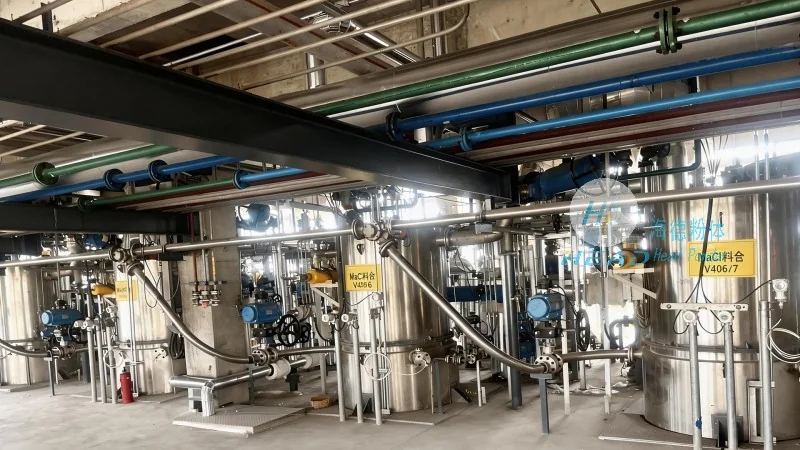
HeadPowder, a leading manufacturer based in Shandong, China, specializes in the design and production of advanced fine sand powder conveying systems. The company's products are tailored to meet the specific demands of various industrial applications, ensuring optimal performance and durability. The core components of these machines include high-efficiency feeding mechanisms, robust conveying tubes, and precise control systems that work in tandem to achieve seamless material transport.
Design Principles Behind Fine Sand Powder Conveying Machines
The design of fine sand powder conveying machines is rooted in several key principles aimed at overcoming the inherent difficulties of handling fine particulate materials. One of the primary challenges is the tendency of fine powders to agglomerate or clog in traditional conveying systems. To address this, manufacturers employ specialized feeding devices, such as rotary valves or screw feeders, which ensure a consistent and controlled flow of material into the conveying line. Additionally, the use of flexible or rigid hoses, often made from materials like stainless steel or polyurethane, minimizes friction and prevents material buildup, enhancing the overall efficiency of the system.
Operational Mechanisms and Efficiency
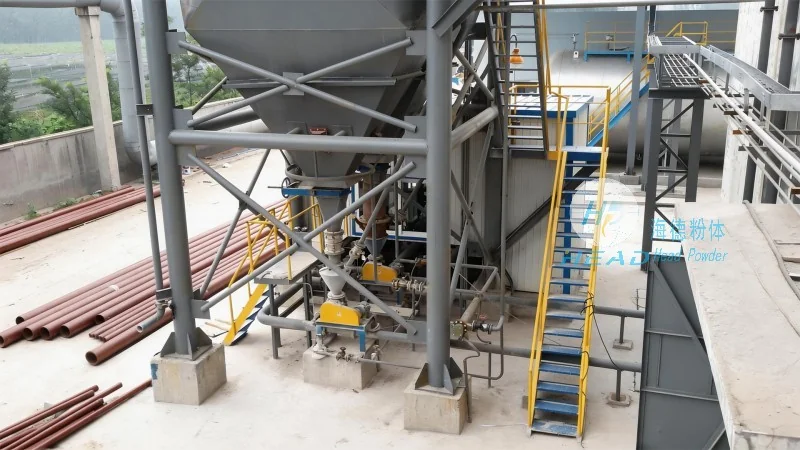
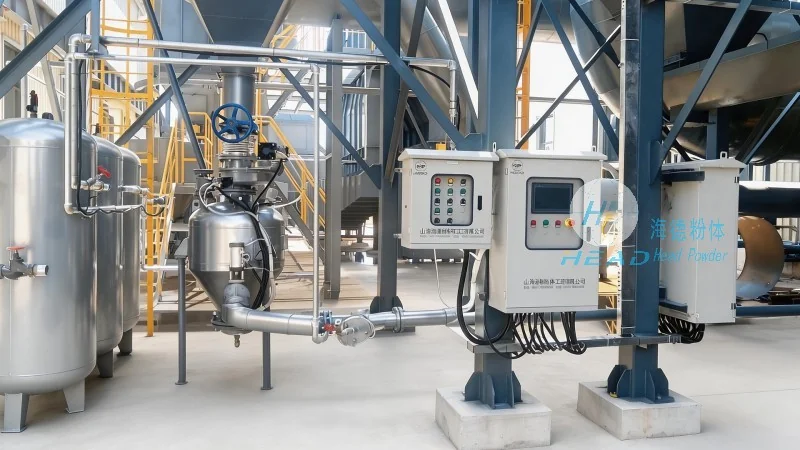
HeadPowder's fine sand powder conveying machines utilize a combination of positive displacement and pneumatic conveying technologies to achieve high-velocity transport. The positive displacement method involves the use of a pump or compressor to push the material through the conveying line, while the pneumatic system relies on compressed air to create a flow. Both approaches are optimized to handle the high specific gravity and low bulk density of fine sand, ensuring minimal energy consumption and maximum throughput. The control systems integrated into these machines allow for real-time monitoring of pressure, flow rate, and material level, enabling operators to adjust settings dynamically and maintain optimal performance.
Applications and Industrial Use Cases
Fine sand powder conveying machines are widely used in industries such as mining, construction, and chemical processing. In mining operations, these machines are essential for transporting fine sand from processing plants to storage facilities or for further processing. In the construction industry, they facilitate the efficient delivery of sand and other fine powders to job sites, improving productivity and reducing labor costs. The chemical industry also benefits from these systems, as they enable the safe and controlled transport of fine powders, minimizing the risk of dust explosions and ensuring compliance with safety regulations.
Advantages of Choosing HeadPowder's Fine Sand Powder Conveying Machines
When selecting a fine sand powder conveying machine, several factors should be considered, including material compatibility, system reliability, and maintenance requirements. HeadPowder's products are designed with these considerations in mind, offering several advantages over traditional conveying methods. The company's machines are constructed using high-quality materials that resist corrosion and wear, ensuring long-term durability. Additionally, the modular design of the systems allows for easy installation and maintenance, reducing downtime and operational costs. The advanced control systems provide precise monitoring and adjustment capabilities, enhancing overall system efficiency and reducing energy consumption.