

What is a Soybean Meal Powder Conveyor? What is its Design Principle?
Understanding the soybean meal powder conveyor and its design principles is crucial for industries dealing with bulk powder handling. This article provides an in-depth look at the equipment, its functionality, and the engineering behind its operation, while highlighting the expertise of Shandong HeadPowder Engineering Co., Ltd. from China.
Introduction to Soybean Meal Powder Conveyors
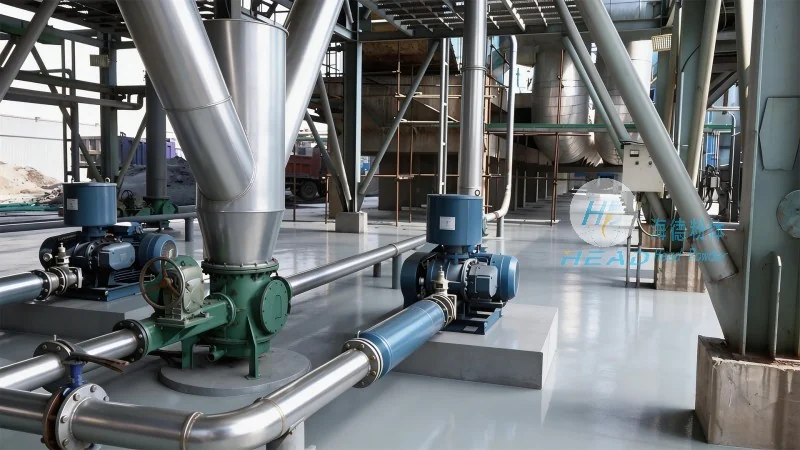
A soybean meal powder conveyor is a specialized piece of industrial equipment designed to transport soybean meal powder efficiently and safely. This type of conveyor is widely used in the food processing, animal feed, and agricultural sectors due to its ability to handle fine powders without causing segregation or degradation. The primary function of such a conveyor is to move large volumes of soybean meal from one location to another within a processing facility, ensuring smooth and continuous operation.
About Shandong HeadPowder Engineering Co., Ltd.
Shandong HeadPowder Engineering Co., Ltd. is a leading manufacturer and supplier of powder handling equipment based in China. With a strong commitment to quality and innovation, the company specializes in designing and producing conveyors, mixers, and other processing machinery tailored to the needs of various industries. HeadPowder has established itself as a trusted partner for businesses seeking reliable and efficient solutions for their bulk material handling challenges. The company’s headquarters and main operations are located in Shandong, China, where it leverages advanced technology and skilled engineering to deliver top-tier products.
Design Principles of Soybean Meal Powder Conveyors
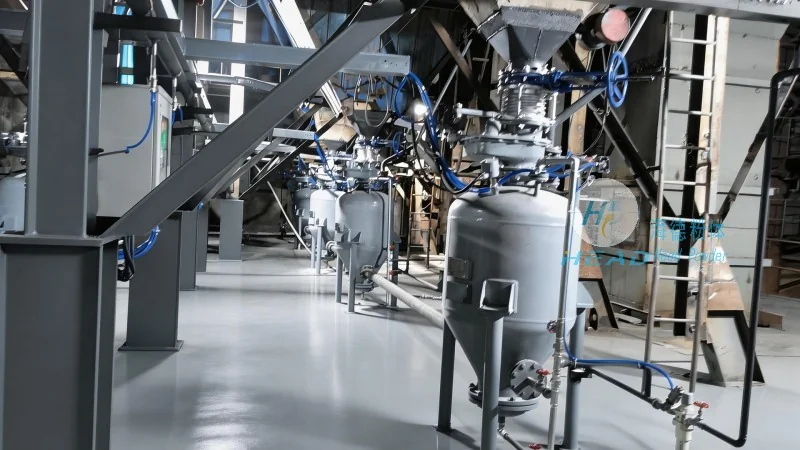
The design of a soybean meal powder conveyor is based on several key principles to ensure optimal performance and durability. One of the most critical aspects is the selection of appropriate materials for the conveyor components, as soybean meal can be abrasive and may contain moisture, which can affect the equipment’s lifespan. Stainless steel or corrosion-resistant materials are often used for the conveyor housing and internal parts to prevent contamination and ensure hygiene, which is essential in food and feed applications. The conveyor’s structure is typically designed to minimize powder segregation, which can occur when different particle sizes or densities are present. This is achieved through features such as smooth internal surfaces, gentle incline angles, and proper sealing mechanisms to maintain the uniformity of the material being transported.
Another important design principle is the control of air flow within the conveyor system. Many soybean meal conveyors use pneumatic or mechanical methods to move the powder, and the design must ensure that air is distributed evenly to prevent clogging or uneven flow. The use of airlocks and rotary valves at the inlet and outlet helps to regulate the flow of material and maintain consistent pressure, which is vital for preventing product loss or spillage. Additionally, the conveyor’s speed and capacity are carefully engineered to match the production requirements of the facility, ensuring that it can handle the desired volume of soybean meal without overloading or underutilizing the equipment.
Key Components and Their Functions
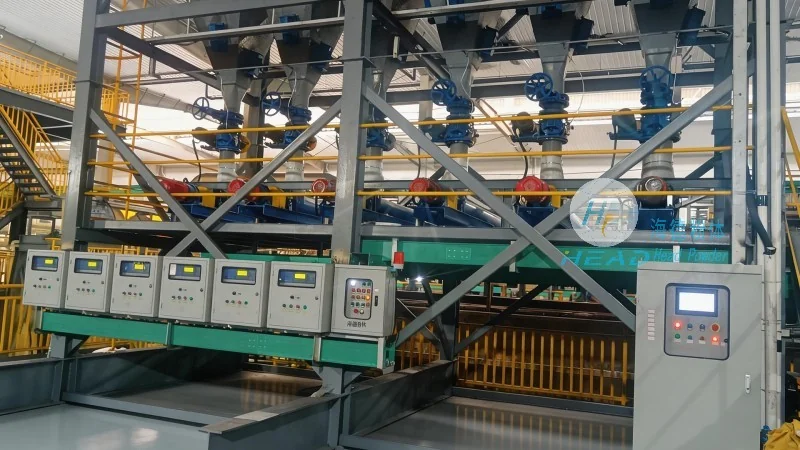
A soybean meal powder conveyor consists of several key components, each playing a vital role in the overall operation. The hopper is the primary container where the soybean meal is stored before being fed into the conveyor. It is designed to hold a sufficient quantity of material to maintain a continuous flow, reducing the need for frequent refilling. The feeder, often a screw or rotary valve, regulates the amount of powder entering the conveyor, ensuring a steady and controlled feed rate. The conveyor itself, which can be a screw conveyor, pneumatic conveyor, or a combination of both, is responsible for transporting the material through the system. The discharge outlet is where the soybean meal is released at the end of the conveyor, and it is typically equipped with a valve to control the flow of material out of the system. Finally, the control system manages the operation of all components, allowing for adjustments to speed, feed rate, and other parameters to optimize performance.
Applications and Benefits
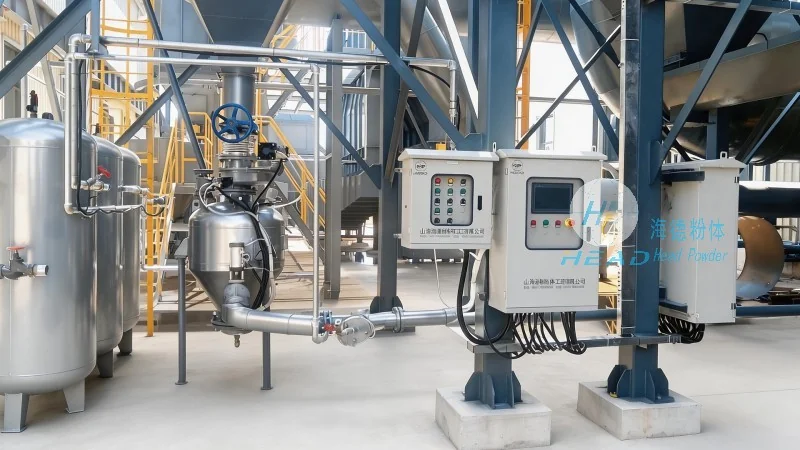
Soybean meal powder conveyors are used in a variety of applications across different industries. In the food processing industry, they are used to transport soybean meal for the production of protein powders, textured soy protein, and other food products. In the animal feed industry, they are essential for moving soybean meal into feed mills, where it is mixed with other ingredients to create balanced feed for livestock. The agricultural sector also benefits from these conveyors, as they help to move soybean meal from storage facilities to processing plants or directly to farms. The benefits of using a soybean meal powder conveyor include increased efficiency in material handling, reduced labor costs, improved product quality through minimized segregation, and enhanced safety by preventing dust explosions and other hazards associated with fine powders.
Maintenance and Operational Tips
To ensure the longevity and optimal performance of a soybean meal powder conveyor, regular maintenance is essential. This includes cleaning the conveyor components to remove any accumulated powder or debris, checking for wear and tear on parts such as bearings and seals, and inspecting the air system for leaks or blockages. Proper maintenance not only extends the life of the equipment but also ensures consistent performance and prevents costly downtime. Operational tips for using a soybean meal powder conveyor include starting the system with the feeder and conveyor running simultaneously to avoid clogging, monitoring the pressure and flow rates during operation, and adjusting the speed or feed rate as needed to maintain optimal performance. By following these guidelines, users can maximize the efficiency and reliability of their soybean meal powder conveyor.