

What is an Unmanned Feed Powder Conveyor? What are its Design Principles?
Unmanned feed powder conveyors represent a sophisticated solution in the field of bulk material handling, designed to automate the process of transporting and feeding powders without human intervention. As a product of advanced engineering, these systems are crucial for industries that require precise, reliable, and efficient material transfer. This article delves into the fundamental aspects of unmanned feed powder conveyors, exploring their design principles and operational benefits.
Understanding the Core Function of Unmanned Feed Powder Conveyors
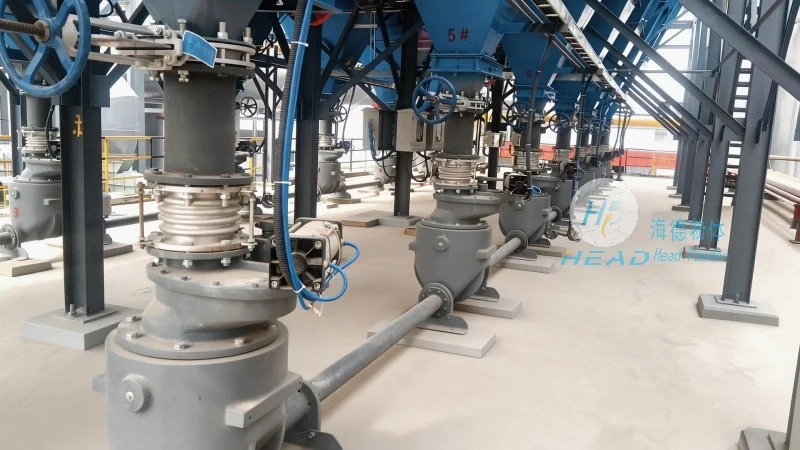
The primary function of an unmanned feed powder conveyor is to transport bulk powders from a storage silo or hopper to a processing unit, such as a mixer, reactor, or packaging machine. Unlike traditional manual or semi-automated systems, these conveyors operate independently, reducing the need for human labor and minimizing the risk of human error. The system typically includes a hopper for material storage, a conveyor mechanism (often a screw or pneumatic system), and a control unit that regulates the flow of material. By automating the feed process, unmanned feed powder conveyors enhance production efficiency and ensure consistent material delivery, which is critical for maintaining product quality and batch consistency.
The Design Principles Behind Unmanned Feed Powder Conveyors
The design principles of unmanned feed powder conveyors are centered on precision, reliability, and safety. The system is engineered to handle a wide range of powders, from fine powders like pharmaceuticals or food ingredients to coarser materials like cement or minerals. A key design consideration is the prevention of material bridging or caking in the hopper and conveyor, which can disrupt flow. To address this, the conveyor incorporates features such as agitators or vibrators that keep the material in motion. The control system uses sensors (e.g., level sensors, pressure sensors) to monitor the material level and flow rate, adjusting the conveyor speed or feed rate as needed. This closed-loop control ensures that the system operates within optimal parameters, preventing overfilling or underfilling. Additionally, the design emphasizes safety, with features like emergency stop buttons and protective enclosures to prevent accidental contact with moving parts.
Key Components and Their Roles in the System
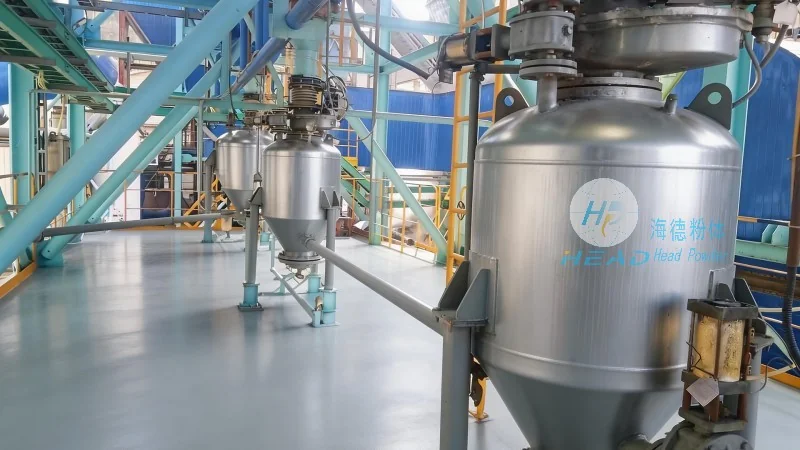
Several key components work together to ensure the efficient operation of an unmanned feed powder conveyor. The hopper is the primary storage vessel, designed with a conical or rectangular shape to facilitate material flow. It is often equipped with a discharge valve at the bottom to control the release of material. The conveyor mechanism, which can be a screw conveyor, pneumatic conveyor, or belt conveyor, transports the material from the hopper to the processing unit. Screw conveyors are commonly used for dry, free-flowing powders, as they can handle a wide range of materials and are easy to clean. Pneumatic conveyors use air pressure to move material, which is ideal for fine powders that are prone to dust or clogging. The control unit, typically a programmable logic controller (PLC), manages the entire system. It receives input from sensors and sends commands to the conveyor and other components. The PLC can be programmed to follow a specific sequence, such as filling a batch of material into a mixer, and then automatically stop once the target level is reached. This automation reduces the need for manual intervention and ensures consistent performance.
Operational Advantages of Unmanned Feed Powder Conveyors
Unmanned feed powder conveyors offer several operational advantages that make them a preferred choice for many industries. One of the most significant benefits is increased efficiency and productivity. By automating the feed process, these systems can operate continuously, 24/7, without the need for breaks or shifts. This allows for higher throughput and reduces downtime, which is critical for meeting production targets. Another advantage is improved safety. With no human operators required to handle the material or operate the conveyor, the risk of accidents, such as material spills or equipment damage, is significantly reduced. This not only protects workers but also minimizes the risk of product contamination. Additionally, unmanned feed powder conveyors enhance consistency and accuracy. The system can be programmed to deliver a precise amount of material, ensuring that each batch is uniform and meets quality standards. This is particularly important in industries like pharmaceuticals or food processing, where even small variations can affect product performance. Finally, these systems reduce labor costs and the need for manual labor, which is a significant advantage in today's competitive market.
Applications and Industries Where Unmanned Feed Powder Conveyors Are Used
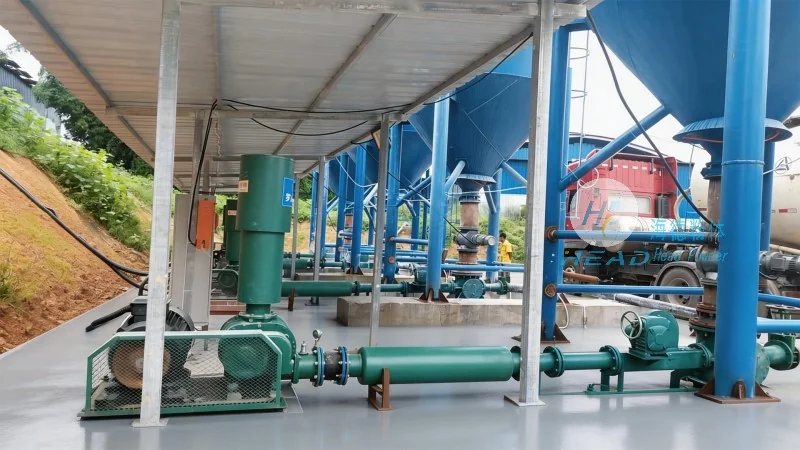
Unmanned feed powder conveyors are widely used in various industries that require bulk material handling. In the pharmaceutical industry, these systems are used to transport raw materials like powders and granules to production lines, ensuring that the materials are handled in a sterile and controlled environment. The food industry also relies on unmanned feed powder conveyors for processing ingredients like flour, sugar, and spices, maintaining hygiene and preventing contamination. The chemical industry uses these systems to handle powders such as cement, lime, or chemicals, which can be hazardous if handled manually. In the agricultural sector, unmanned feed powder conveyors are used to transport fertilizers or animal feed to processing units. The mining industry also benefits from these systems, as they can handle coarse materials like ore or minerals. Overall, the versatility of unmanned feed powder conveyors makes them suitable for a wide range of applications, from small-scale operations to large industrial plants.
Conclusion and Company Information
In conclusion, unmanned feed powder conveyors are a vital component of modern bulk material handling systems. Their design principles, which focus on precision, reliability, and safety, enable them to efficiently transport and feed powders without human intervention. The key components, including the hopper, conveyor mechanism, and control unit, work together to ensure consistent and accurate material delivery. The operational advantages, such as increased efficiency, improved safety, and reduced labor costs, make these systems a preferred choice for many industries. As technology continues to advance, unmanned feed powder conveyors are likely to become even more sophisticated, with features like artificial intelligence and machine learning to further enhance their performance. For businesses looking to improve their material handling processes, an unmanned feed powder conveyor from Shandong HeadPowder Engineering Co., Ltd. offers a reliable and efficient solution.